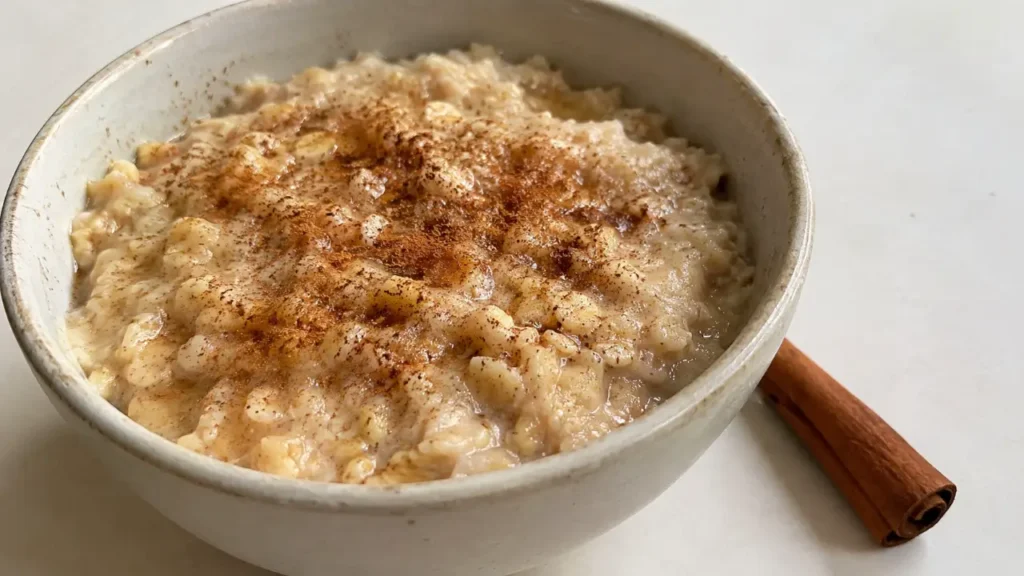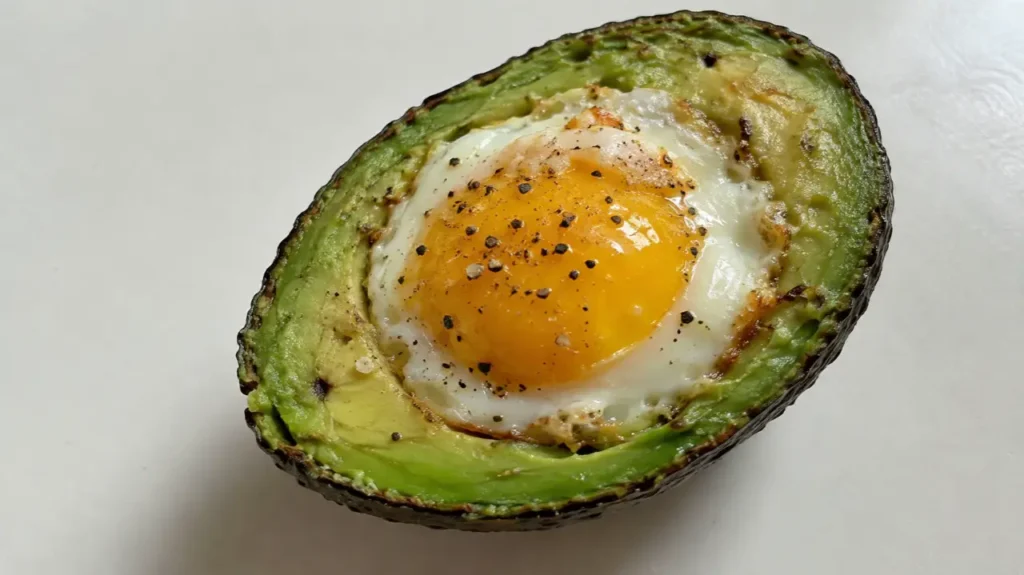
Oatmeal gets a bad reputation, but it is rarely the oats themselves that are the problem. More often, it is the same toppings on repeat until every bowl starts to feel the same.
These 12 oatmeal recipes go well beyond the usual cinnamon-and-brown-sugar combination. You will find everything from chocolate protein oats with a rich, pudding-like texture to savory oats topped with spinach and a fried egg. There are also several overnight options you can prepare ahead of time.
Most of the recipes follow one of two simple methods. Once you understand those basic approaches, it becomes much easier to experiment with your own oatmeal combinations.
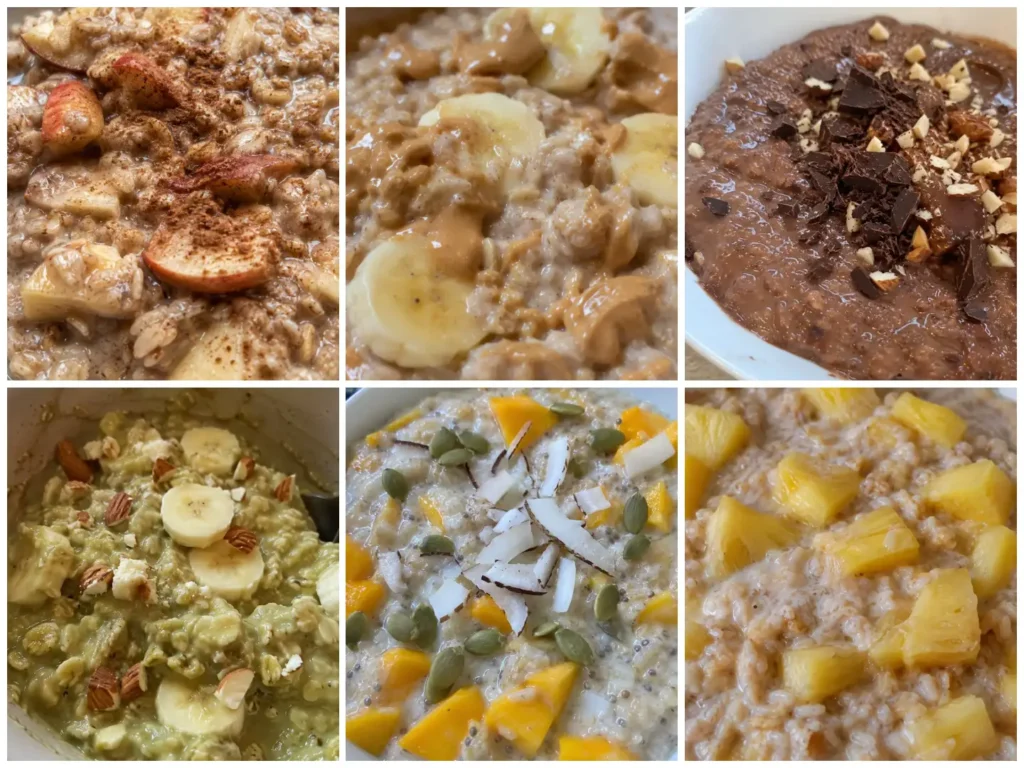
What You Will Find in This Article
- 12 different oatmeal recipes, including stovetop and overnight options
- A simple base method you can use for other oatmeal combinations
- Recipes made with familiar and easy-to-find ingredients
- Practical tips for texture, sweetness, and mix-ins
- Answers to common questions about preparing and storing oatmeal
The Two Base Methods
Before getting into the individual recipes, it helps to understand the two basic formats used throughout this article.
Stovetop Oatmeal
A common starting point is ½ cup rolled oats and 1 cup liquid, such as milk, water, or plant-based milk.
Combine the oats and liquid in a saucepan with a small pinch of salt. Simmer over medium-low heat for about 5 to 7 minutes, stirring occasionally, until the oats reach your preferred consistency.
If the oatmeal becomes thicker than you like, stir in a splash of milk or water after cooking. Oats continue absorbing liquid as they sit, so the texture can become thicker after the bowl is removed from the heat.
Overnight Oats
For overnight oats, combine the oats, liquid, and other ingredients in a jar or airtight container. Stir well, cover, and refrigerate for at least 4 hours or overnight.
Overnight oats can be eaten cold or gently reheated, depending on your preference.
1. Apple Cinnamon Oats
Grated apple cooks directly with the oats, giving the bowl a warm apple-and-cinnamon flavor. It is a simple option when you want something familiar but more interesting than plain oatmeal.
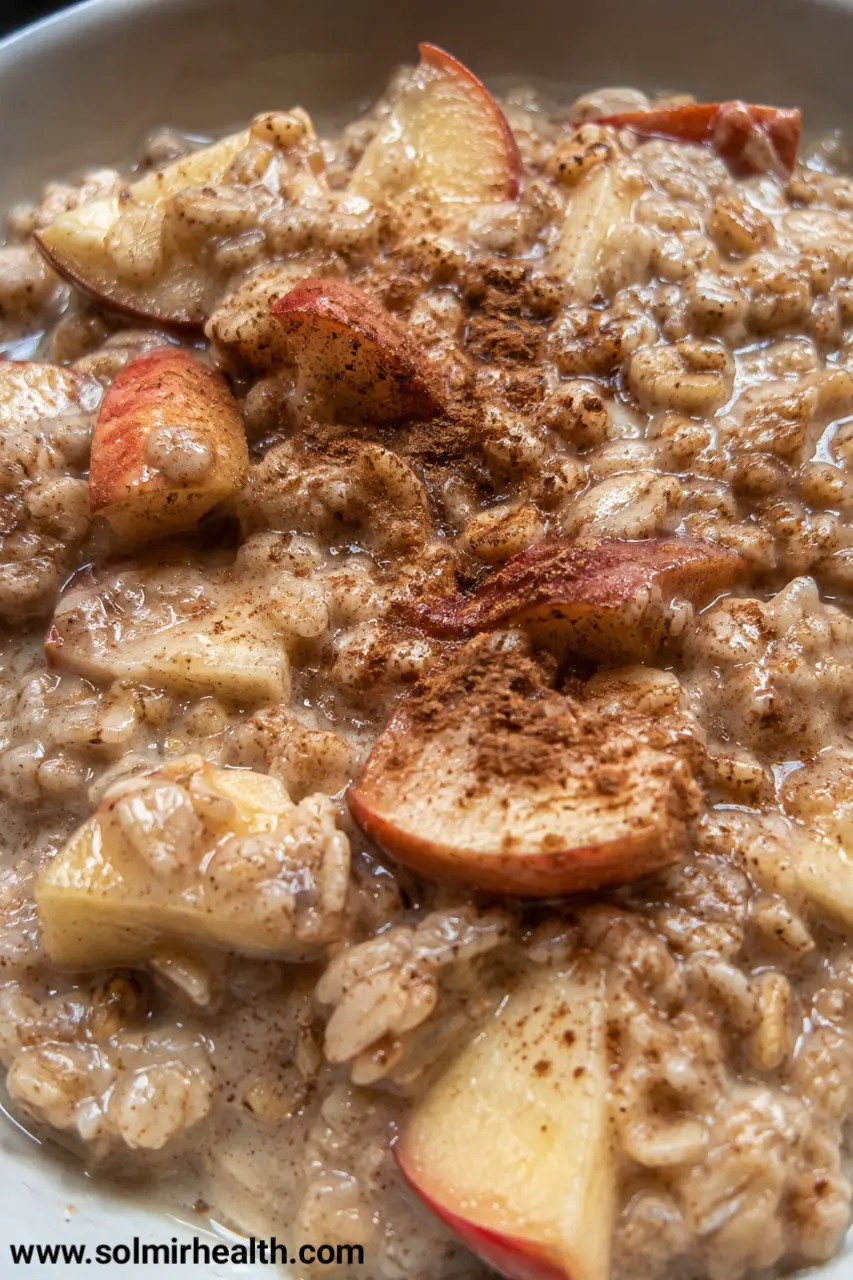
Apple Cinnamon Oats
Ingredients
Equipment
Method
Notes
2. Peanut Butter Banana Oats
Mashed ripe banana adds natural sweetness and a creamy texture, while peanut butter gives the finished bowl a rich and nutty flavor.
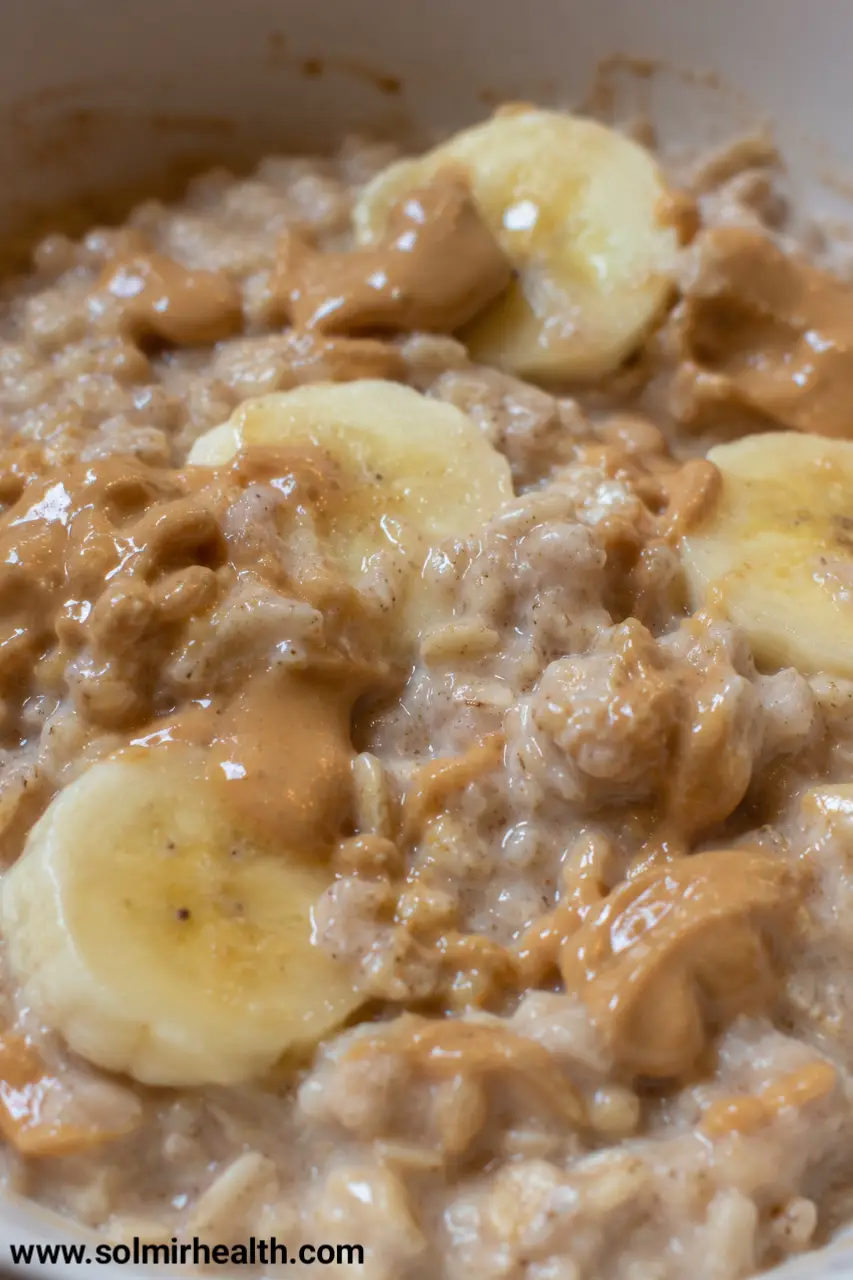
Peanut Butter Banana Oats
Ingredients
Equipment
Method
Notes
3. Chocolate Protein Oats
These chocolate oats have a rich cocoa flavor and a thick, creamy texture. Stirring the protein powder in after cooking can help it incorporate more smoothly.
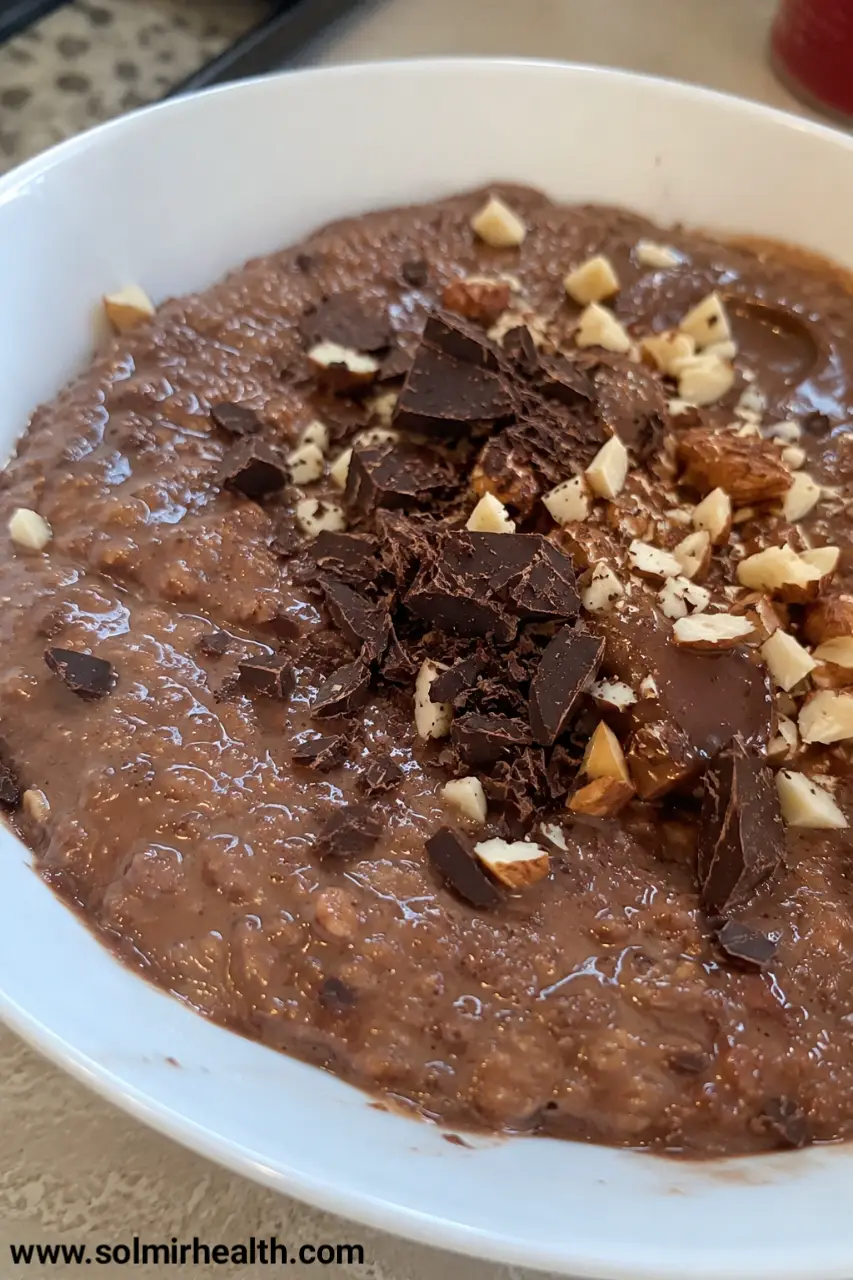
Chocolate Protein Oats
Ingredients
Equipment
Method
Notes
4. Berry Chia Oats
This make-ahead overnight recipe combines oats, Greek yogurt, chia seeds, and mixed berries. The chia seeds help thicken the mixture while the yogurt adds creaminess.
Berry Chia Oats
Ingredients
Equipment
Method
Notes
5. Pumpkin Spice Oats
Pumpkin puree and warm spices give these oats a seasonal flavor. For the intended balance of sweetness and spices, use plain pumpkin puree rather than sweetened pumpkin pie filling.
Ingredients
Equipment
Method
Notes
6. Coconut Mango Oats
This overnight oatmeal combines coconut milk, mango, and shredded coconut for a tropical flavor. It is an easy make-ahead option for busy mornings.
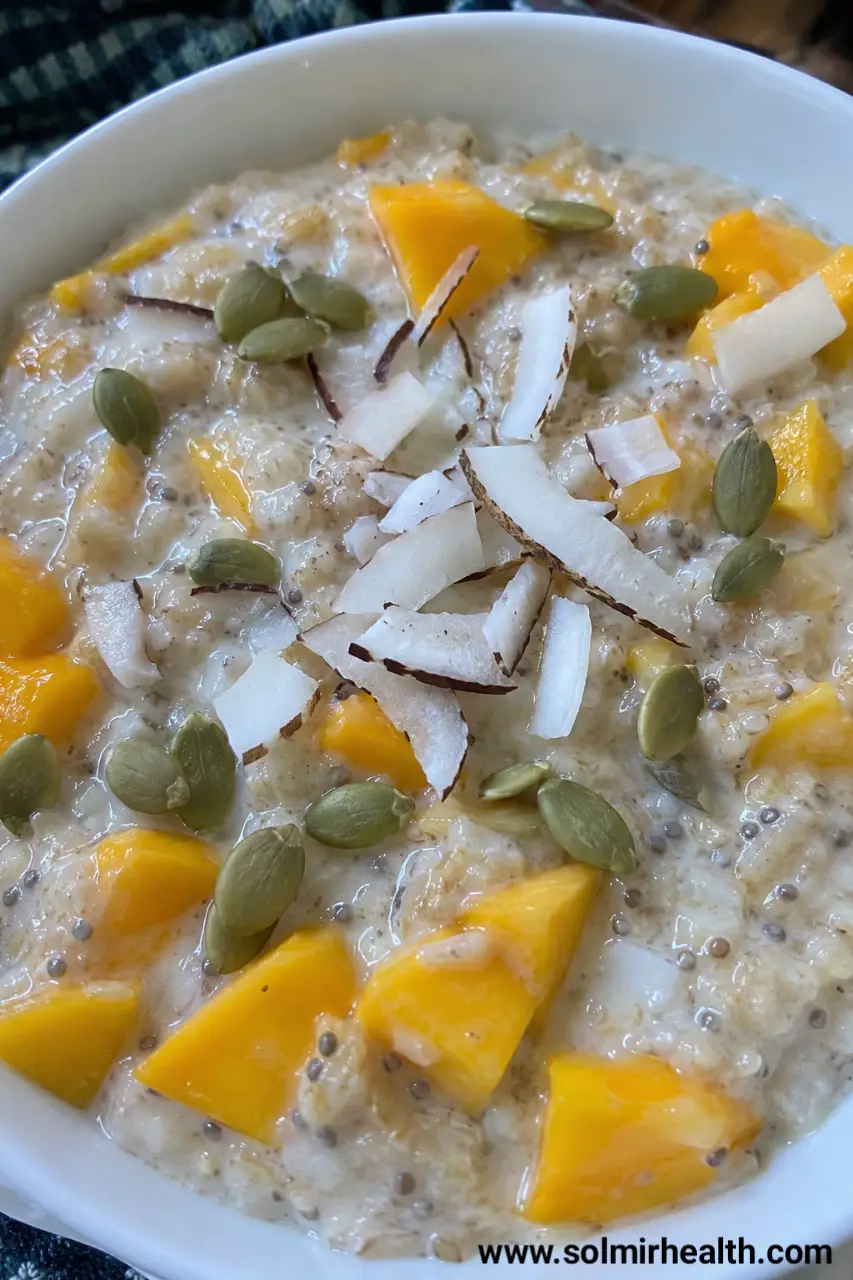
Coconut Mango Oats
Ingredients
Equipment
Method
Notes
7. Carrot Cake Oats
Finely grated carrot, cinnamon, and walnuts give this oatmeal a warm flavor inspired by carrot cake. Grating the carrot finely helps it soften more easily during cooking.
Carrot Cake Oats
Ingredients
Equipment
Method
Notes
8. Strawberry Cheesecake Oats
A small amount of cream cheese gives these oats a creamy texture and a light tang, while fresh strawberries add sweetness and fruit flavor.
Strawberry Cheesecake Oats
Ingredients
Equipment
Method
Notes
9. Matcha Oats
Matcha gives this oatmeal a distinctive green tea flavor. Mixing the matcha with a small amount of liquid before adding it to the oats can help reduce clumping.
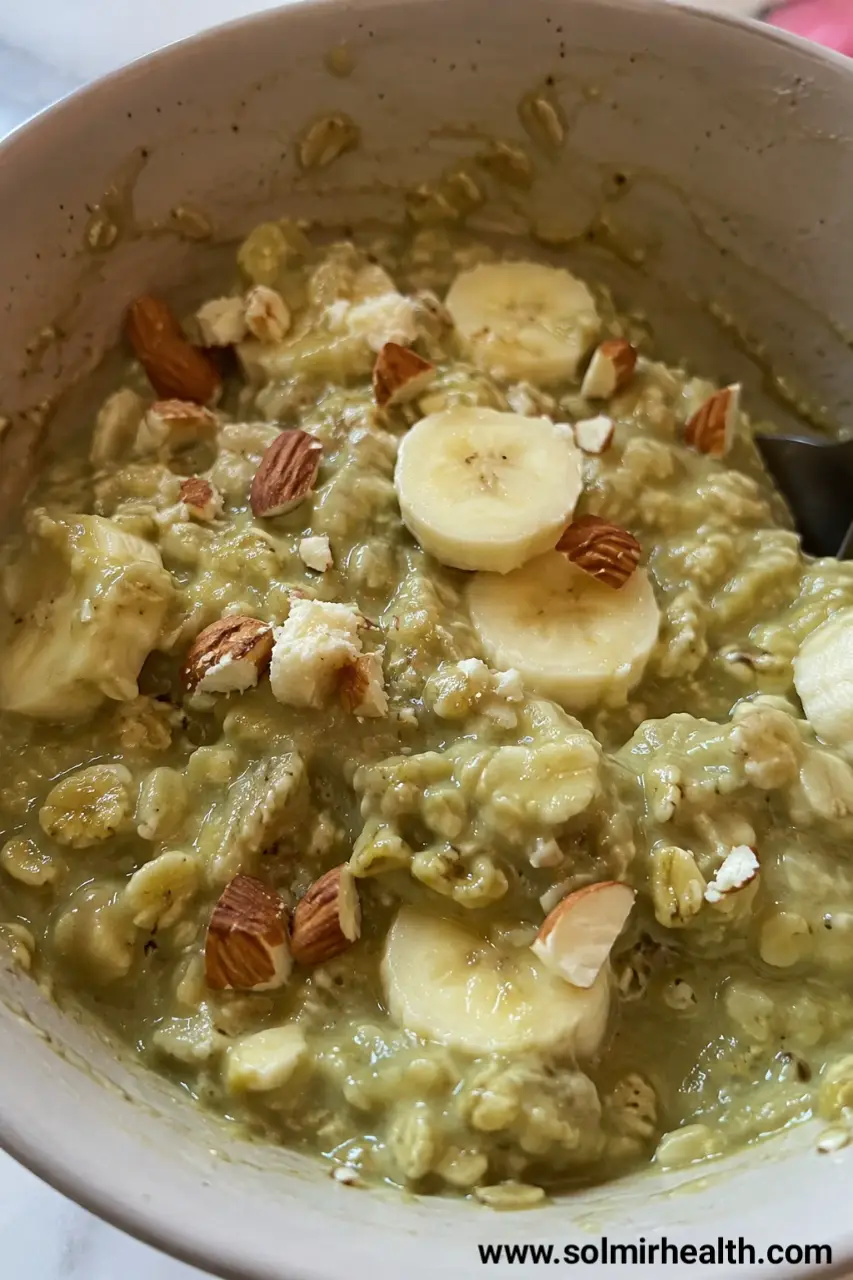
Matcha Oats
Ingredients
Equipment
Method
Notes
10. Savory Egg Oats
Oatmeal does not have to be sweet. This savory version uses broth or water as the cooking liquid and is topped with spinach and a fried egg for a completely different style of oatmeal bowl.
Savory Egg Oats
Ingredients
Equipment
Method
Notes
11. Almond Date Oats
Chopped dates melt into the oats as they cook and act as the only sweetener this one needs. No added honey or sugar required.
Almond Date Oats
Ingredients
Equipment
Method
Notes
12. Tropical Pineapple Oats
Pineapple, coconut milk, shredded coconut, and lime zest give this oatmeal a bright tropical flavor. Adding the lime zest near the end helps preserve its fresh citrus aroma.
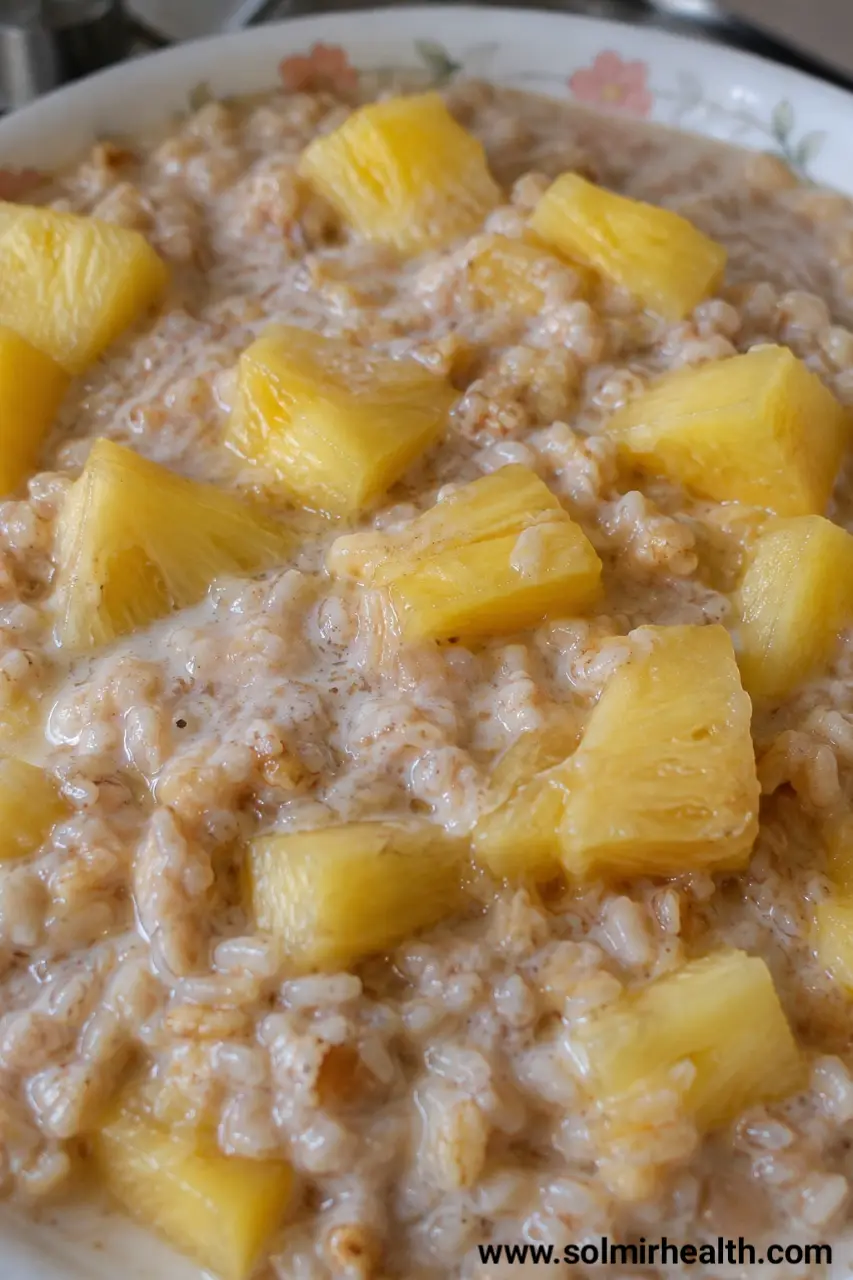
Tropical Pineapple Oats
Ingredients
Equipment
Method
Notes
Tips for Making Better Oatmeal
Pay Attention to the Texture
Oatmeal continues to absorb liquid as it sits. If your finished oats become thicker than you prefer, stir in a small splash of milk or water.
For a thicker bowl, allow the oats to cook a little longer. For a looser consistency, add liquid gradually until you reach the texture you like.
Use Ripe Fruit When Possible
Ripe bananas, mangoes, and other fruits generally provide more sweetness and flavor.
This can reduce the need for additional sweeteners, although the final amount depends on your personal preference.
Add Delicate Ingredients at the Right Time
Some ingredients work better when added after cooking.
Fresh fruit, nuts, cream cheese, and certain other toppings can maintain a better texture when stirred in or added just before serving.
Chop Larger Mix-Ins
Large pieces of dried fruit or nuts can make a bowl harder to eat and may not distribute evenly.
Chopping larger ingredients into smaller pieces can create a more balanced texture.
How to Store Oatmeal
Store leftover cooked oatmeal in a covered container in the refrigerator.
For general food-safety guidance, cooked leftovers should be refrigerated promptly and used within 3 to 4 days when stored properly at 40°F or below.
When reheating oatmeal, add a splash of milk or water because the oats usually become thicker during refrigeration.
Overnight oats should also be kept refrigerated in a covered container. Because individual recipes can contain different ingredients, follow appropriate storage practices for the specific ingredients you use.
Simple Ingredient Swaps
Oatmeal is flexible, but substitutions can change the flavor and texture.
Milk and Plant Based Milk
Water can be used in many oatmeal recipes, while dairy milk and plant-based milk usually create a creamier result.
Keep in mind that flavored or sweetened milks can change the sweetness of the finished recipe.
Sweeteners
Honey and maple syrup can add both sweetness and moisture.
If you reduce or replace a sweetener, taste the finished oatmeal and adjust according to your preference.
Nuts and Seeds
Walnuts, almonds, cashews, pistachios, and other nuts can be used in different combinations.
Always consider food allergies when making substitutions.
Fruit
Fresh, frozen, and dried fruit all behave differently in oatmeal.
Fresh and frozen fruit can add moisture, while dried fruit is more concentrated and usually contains less water. Adjust the recipe as needed based on the type of fruit you choose.
Frequently Asked Questions
Can I Use Quick Oats Instead of Rolled Oats?
Yes, but the texture and cooking time will be different.
Quick oats generally cook faster and produce a softer texture. Check them earlier during cooking to avoid overly soft or mushy oatmeal.
Do I Need to Use Milk?
No. Water can be used for many oatmeal recipes.
Milk, including plant based milk, generally creates a creamier texture and may add additional flavor depending on the type you choose.
Can I Make Stovetop Oatmeal Ahead of Time?
Yes.
Store cooked oatmeal in a covered container in the refrigerator and use it within 3 to 4 days. When reheating, add a splash of milk or water to loosen the texture.
Why Did My Overnight Oats Turn Out Too Thick or Too Thin?
The final texture can vary depending on the type of oats, liquid, chia seeds, yogurt, and other ingredients used.
If the mixture is too thick, stir in a little more liquid before eating.
If it is too thin, it may need more refrigeration time. The ingredients need time to absorb the liquid and thicken.
Is Savory Oatmeal Worth Trying?
If you enjoy savory grain bowls, savory oatmeal can be a good option.
Oats have a relatively mild flavor, so they work well with ingredients such as broth, eggs, spinach, herbs, vegetables, and spices.
Can I Double These Recipes?
Yes. The recipes can generally be doubled.
When making a larger batch on the stovetop, monitor the consistency and stir regularly. You may need to adjust the cooking time slightly depending on the amount of oatmeal and the size of your saucepan.
Final Thoughts
These 12 oatmeal recipes show how flexible a simple bowl of oats can be.
You can keep things familiar with apple cinnamon or peanut butter banana, try richer flavors such as chocolate protein or strawberry cheesecake, prepare overnight oats ahead of time, or go in a completely different direction with a savory egg-topped bowl.
Once you understand the basic stovetop and overnight methods, it becomes easier to experiment with different fruits, nuts, seeds, spices, and other ingredients.
Start with a combination that sounds good to you, then adjust the texture and sweetness based on your own preference. With a few simple ingredients, oatmeal can become much more varied than the same bowl you have been making every morning.