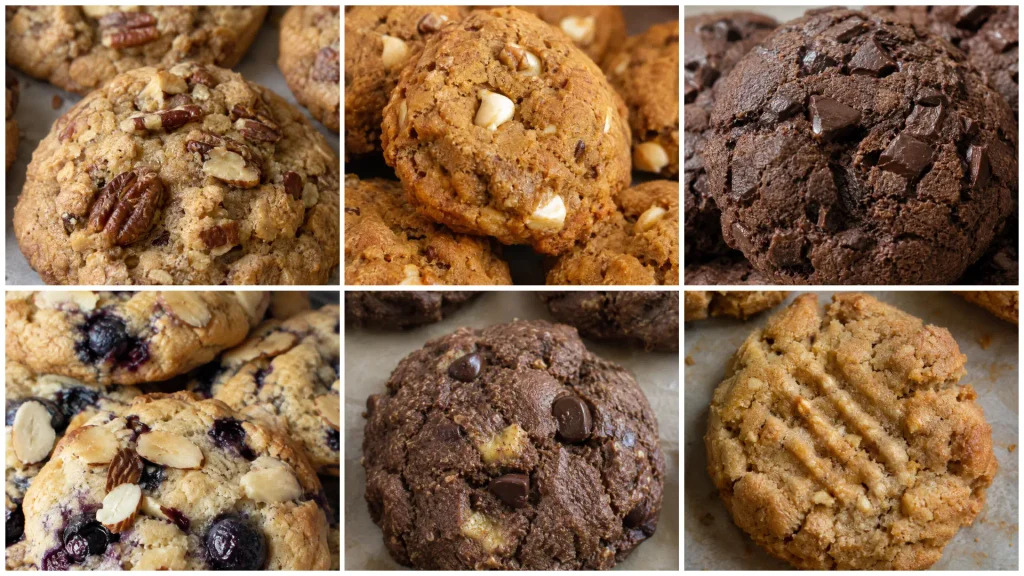
If you want a homemade snack with a little more variety than the usual granola bar, these Protein Cookies are worth trying.
This collection uses ingredients such as oats, oat flour, almond flour, protein powder, Greek yogurt, eggs, fruit, nuts, and nut butter to create soft homemade cookies in different flavors.
The recipes include chocolate, fruit, peanut butter, coconut, lemon, maple pecan, and pumpkin spice options. Most follow a similar method: combine the dry ingredients, mix the wet ingredients, bring everything together, shape the dough, and bake.
Each recipe has its own ingredients and instructions in the WP Recipe Maker card.
What You Will Find in This Article
This collection includes:
- 10 different Protein Cookies recipes
- Chocolate, fruit, nut, and seasonal flavor combinations
- Tips for working with different types of protein powder
- Guidance for adjusting cookie dough texture
- Storage and food-safety information
- Answers to common questions
Table of Contents
- Peanut Butter Oat Protein Cookies
- Chocolate Banana Protein Cookies
- Blueberry Almond Protein Cookies
- Cinnamon Apple Protein Cookies
- Coconut Vanilla Protein Cookies
- Double Chocolate Protein Cookies
- Strawberry Cream Protein Cookies
- Lemon Poppy Seed Protein Cookies
- Maple Pecan Protein Cookies
- Pumpkin Spice Protein Cookies
What to Know Before Making Protein Cookies
Protein powder can affect cookie texture differently from one product to another.
Whey, casein, and plant-based protein powders can vary in sweetness, absorbency, and texture. For that reason, using a different protein powder brand may slightly change the consistency of the dough.
Follow the recipe as closely as possible the first time you make it.
If the dough seems unusually dry and crumbly, add a small amount of liquid gradually. If it seems excessively wet, allow it to sit briefly because ingredients such as oats and coconut flour can absorb moisture.
Avoid making large adjustments at once. A small change can noticeably affect the final texture.
Getting the Texture Right
These cookies use ingredients such as oats, oat flour, almond flour, and coconut flour instead of traditional white flour.
As a result, many of the doughs will not spread as much as a traditional butter-and-flour cookie dough.
After placing the dough on the baking sheet, gently flatten the portions when the recipe calls for it. This helps create a more even cookie shape.
Cookie size can also affect baking time. Smaller cookies may bake faster, while larger cookies may require additional time.
Look for the visual cues listed in the individual recipe. The edges and tops should generally appear set before removing the cookies from the oven.
Allow the cookies to cool on the baking sheet before transferring them. They can continue to firm as they cool.
1. Peanut Butter Oat Protein Cookies
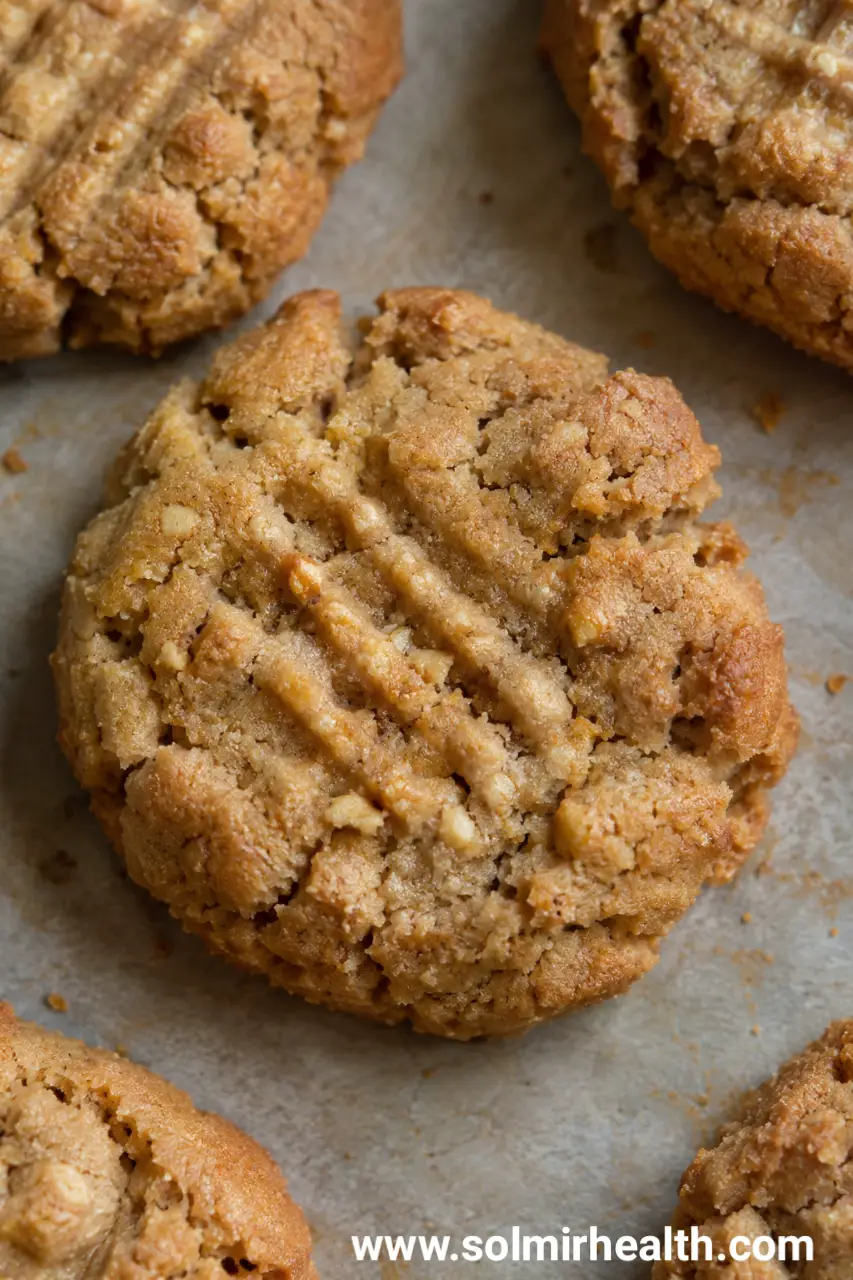
These Peanut Butter Oat Protein Cookies combine oats, protein powder, natural peanut butter, honey, and egg.
The dough is thick, and the classic fork pattern helps flatten the cookies before baking.
Peanut Butter Oat
Ingredients
Equipment
Method
Notes
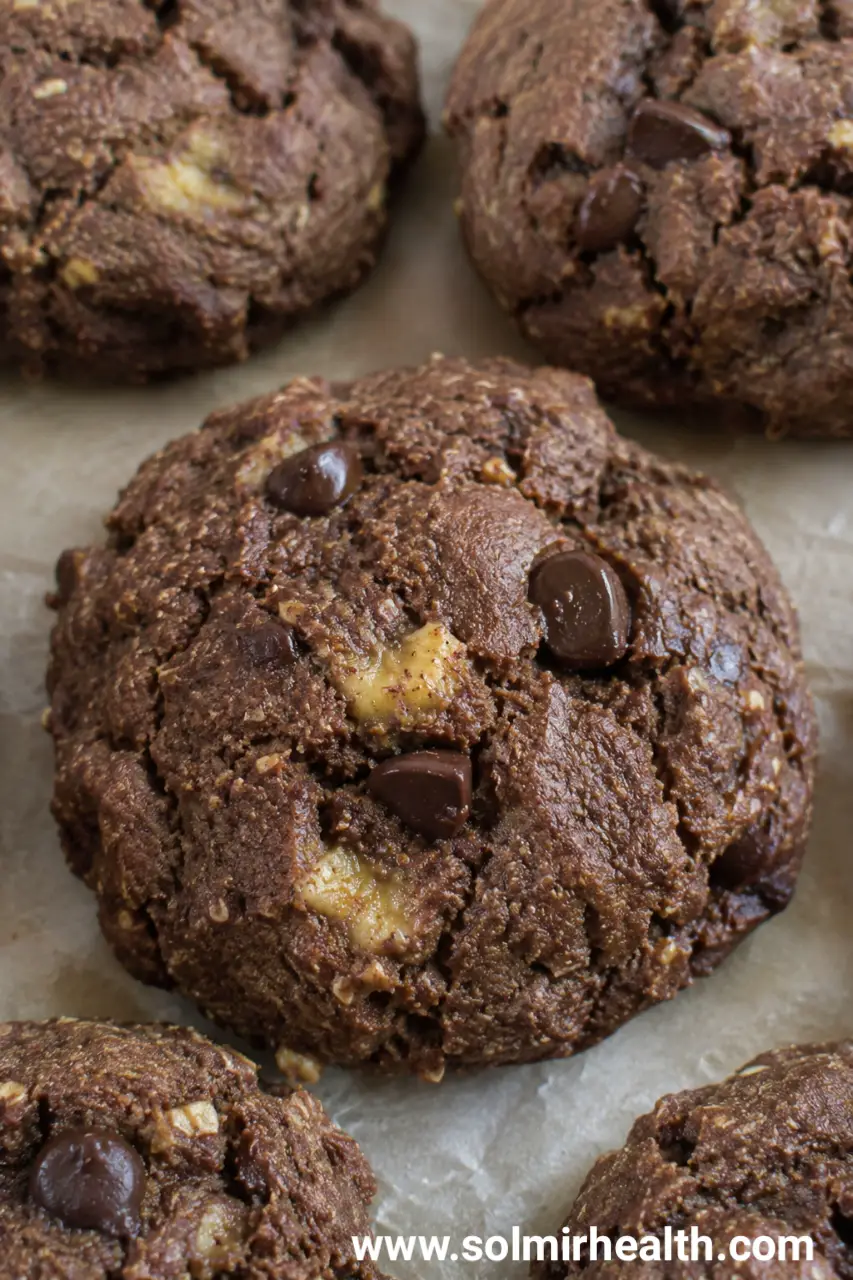
2. Chocolate Banana Protein Cookies
Ripe banana adds moisture and sweetness to these Chocolate Banana Protein Cookies, while cocoa powder and chocolate protein powder provide the chocolate flavor.
A ripe banana can also affect the final sweetness, so the result may vary slightly depending on the fruit you use.
Chocolate Banana
Ingredients
Equipment
Method
Notes
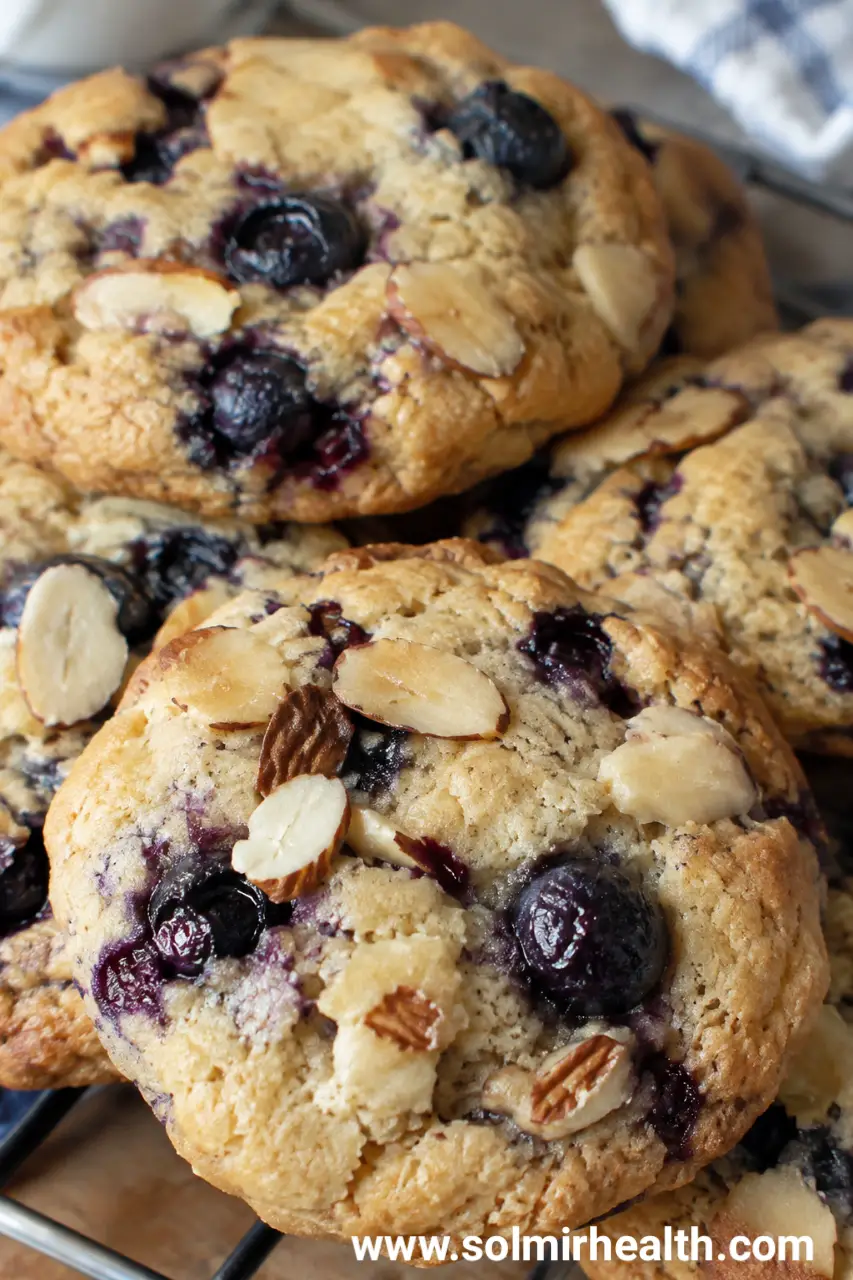
3. Blueberry Almond Protein Cookies
Almond flour provides the base for these Blueberry Almond Protein Cookies, while blueberries add fruit flavor and sliced almonds add texture.
Fresh or frozen blueberries can be used according to the recipe.
Blueberry Almond
Ingredients
Equipment
Method
Notes
4. Cinnamon Apple Protein Cookies
These Cinnamon Apple Protein Cookies combine oats, applesauce, cinnamon, and finely diced apple.
Finely chopping the apple helps distribute it more evenly throughout the dough.
Cinnamon Apple
Ingredients
Equipment
Method
Notes
5. Coconut Vanilla Protein Cookies
Coconut flour absorbs a significant amount of moisture, which gives this recipe a different dough consistency from the oat- and almond-flour versions.
Greek yogurt, eggs, and shredded coconut help create a soft coconut-flavored cookie.
Coconut Vanilla
Ingredients
Equipment
Method
Notes
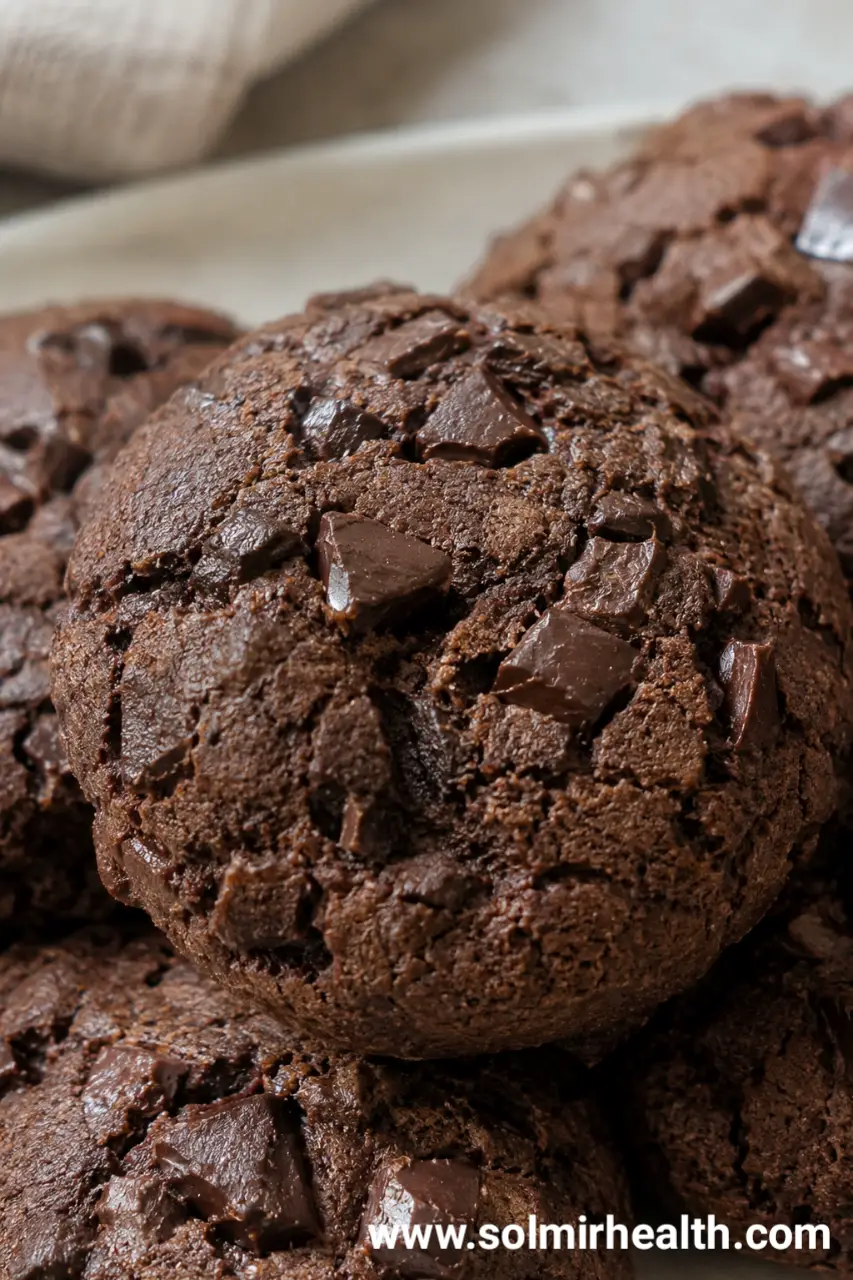
6. Double Chocolate Protein Cookies
These Double Chocolate Protein Cookies combine chocolate protein powder, cocoa powder, Greek yogurt, and dark chocolate chunks.
The cookies should be monitored carefully during baking because baking them too long can result in a drier texture.
Double Chocolate
Ingredients
Equipment
Method
Notes
7. Strawberry Cream Protein Cookies
Freeze-dried strawberries provide concentrated strawberry flavor without adding as much moisture as fresh strawberries.
They also work well in cookie dough because they can be folded into the mixture without significantly changing its consistency.
Strawberry Cream
Ingredients
Equipment
Method
Notes
8. Lemon Poppy Seed Protein Cookies
Lemon zest, fresh lemon juice, and poppy seeds give these Protein Cookies a bright citrus flavor.
Zesting the lemon before juicing it makes preparation easier.
Lemon Poppy Seed
Ingredients
Equipment
Method
Notes
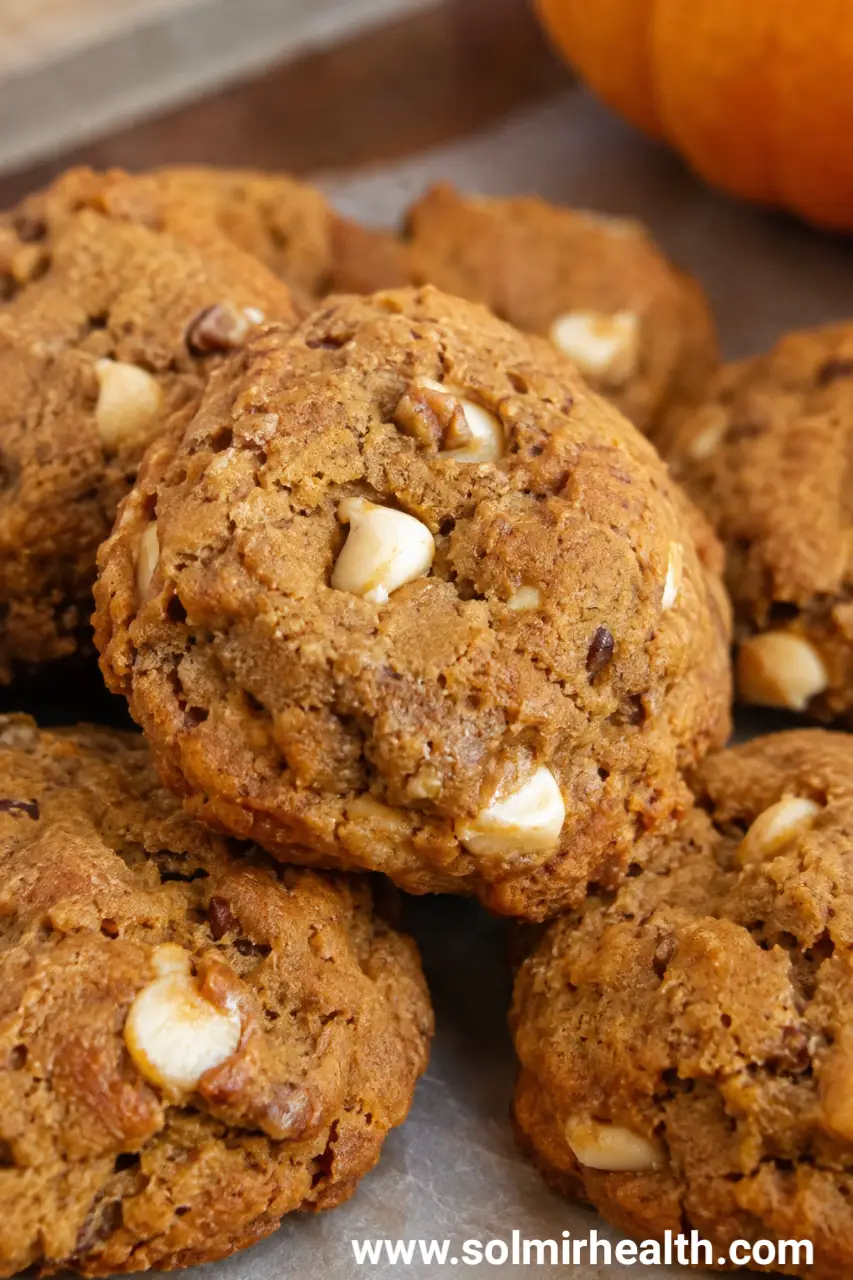
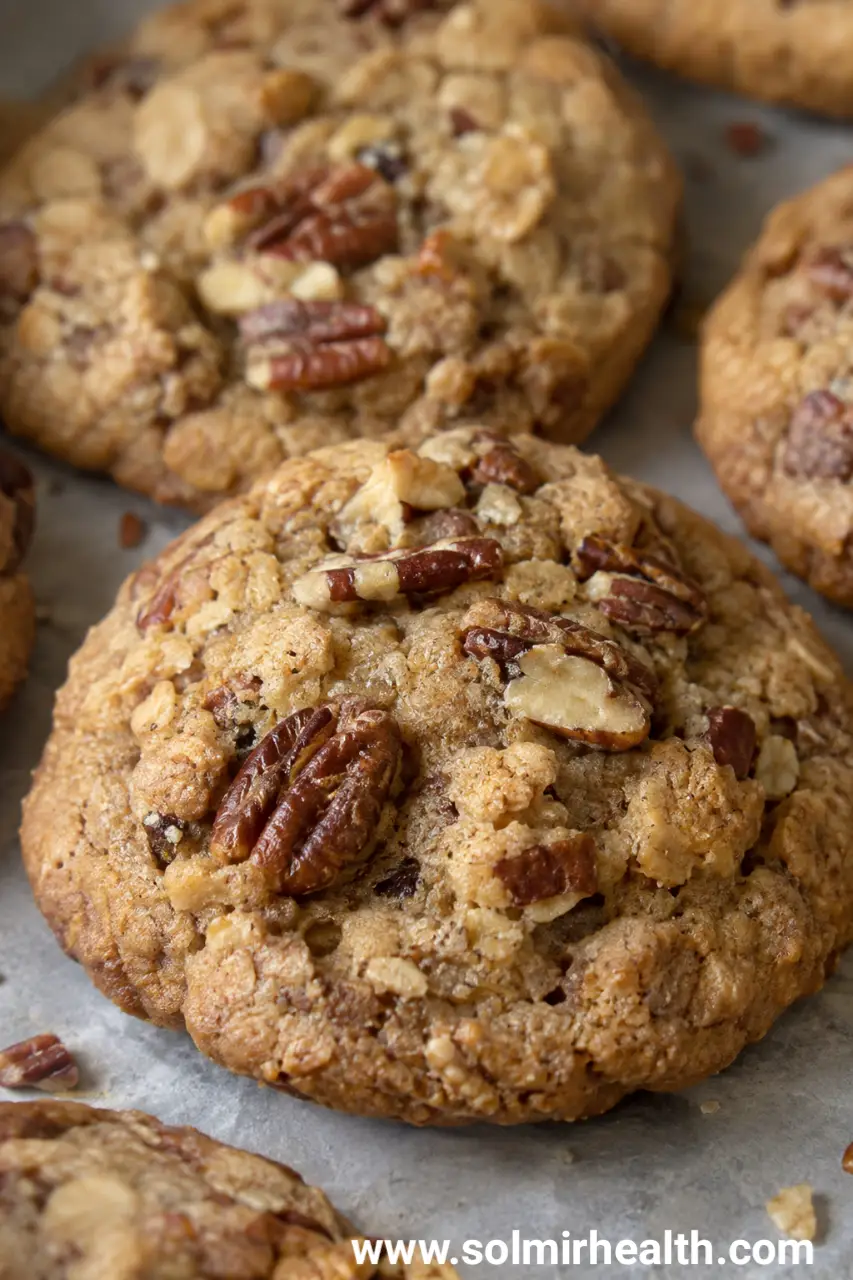
9. Maple Pecan Protein Cookies
Maple syrup, cinnamon, and pecans create a warm flavor combination in these Maple Pecan Protein Cookies.
The pecans can be used as directed in the recipe, and toasting them beforehand is optional.
Maple Pecan
Ingredients
Equipment
Method
Notes
10. Pumpkin Spice Protein Cookies
Pumpkin puree and pumpkin pie spice give these cookies their seasonal flavor.
Use plain pumpkin puree rather than pumpkin pie filling because pumpkin pie filling usually contains additional sweeteners and spices.
Pumpkin Spice
Ingredients
Equipment
Method
Notes
Tips for Making Better Protein Cookies
Follow the Dough Texture
Different protein powders can absorb different amounts of moisture.
A dough made with one brand may not behave exactly the same way when made with another.
If the dough appears unusually dry, make small adjustments rather than adding a large amount of liquid.
If the dough seems too wet, allow it to rest briefly before making adjustments.
Do Not Expect Every Dough to Spread
Many of these recipes use oats, oat flour, almond flour, or coconut flour.
These ingredients can produce a thicker dough that holds its shape during baking.
Gently flattening the dough before baking can help create a more even cookie.
Use Similar-Sized Portions
Keeping the cookie portions similar in size helps them bake more evenly.
A cookie scoop or measuring spoon can make this easier.
If you make larger or smaller cookies than the recipe specifies, check them carefully because the baking time may change.
Allow the Cookies to Cool
Some cookies are delicate immediately after baking.
Allowing them to cool on the baking sheet gives them time to set before transferring them to a cooling rack or container.
Choosing a Protein Powder
Protein powder can make a noticeable difference in the final texture and flavor of Protein Cookies.
Different products may contain different ingredients, sweeteners, thickeners, and amounts of protein.
For the closest result, use the type and flavor of protein powder specified in the recipe.
Whey Protein
Whey protein powder can behave differently depending on the product.
Some varieties blend easily into dough, while others may create a thicker or drier mixture.
Casein Protein
Casein protein can have different absorbency and texture compared with whey.
Using it as a direct substitution may change the consistency of the dough.
Plant-Based Protein Powder
Plant-based protein powders can vary significantly depending on whether they contain pea protein, rice protein, soy protein, or a blend.
Check the consistency of the dough carefully when making substitutions.
Ingredient Substitutions
Substitutions can change both the flavor and texture of baked goods.
For the most predictable result, follow the original recipe.
Protein Powder
Protein powder substitutions may work, but different brands can absorb moisture differently.
Use the same flavor when possible and monitor the consistency of the dough.
Greek Yogurt
Plain yogurt may sometimes be used in place of Greek yogurt, but thinner yogurt can add more moisture.
This may change the consistency of the dough.
Honey and Maple Syrup
Honey and maple syrup both add sweetness and moisture, but they do not behave exactly the same way.
Changing the sweetener can affect the texture and flavor.
Make substitutions carefully and avoid assuming every swap will produce an identical result.
Oat Flour and Almond Flour
Oat flour and almond flour have different compositions and absorb moisture differently.
They should not automatically be treated as exact one-to-one substitutes in every recipe.
Changing the flour may require adjustments to achieve the intended dough consistency.
How to Store Protein Cookies
Allow the cookies to cool completely before storing them.
Because the recipes in this collection contain different ingredients, including eggs, Greek yogurt, fruit, and pumpkin puree, storage conditions should not be treated exactly the same for every recipe.
For cookies containing perishable ingredients, refrigerate them promptly in an airtight container.
As a general food-safety guideline, properly refrigerated cooked leftovers should be used within 3 to 4 days.
Do not leave perishable foods at room temperature for extended periods.
For longer storage, freezing is an option.
Store completely cooled cookies in a freezer-safe container or bag.
Frozen food kept continuously frozen remains safe, although texture and quality can gradually change during storage.
Storage and Make Ahead Tips
All ten of these cookies store the same way. Once they’ve cooled completely, keep them in an airtight container at room temperature for up to 5 days, or in the refrigerator for closer to 10 days if your kitchen runs warm. For longer storage, freeze the baked cookies in a single layer, then transfer them to a freezer bag for up to 2 months.
SolMir Tip: If you like having fresh baked cookies on demand, scoop the raw dough into mounds on a baking sheet and freeze them before baking. Once solid, move the frozen dough mounds into a freezer bag. When you want a cookie, bake straight from frozen, adding 1 to 2 extra minutes to the bake time listed in the recipe.
Can I Use a Different Protein Powder?
Possibly, but the result may vary.
Different protein powders can have different ingredients and levels of absorbency.
For the most predictable result, use the type and flavor specified in the recipe.
If you make a substitution, check the consistency of the dough and make only small adjustments when necessary.
Are These Protein Cookies Gluten Free?
Some recipes may be suitable for a gluten free diet depending on the ingredients used.
If you need a recipe to be gluten free, check every ingredient label carefully.
Use certified gluten-free oats or oat flour when appropriate, and check other packaged ingredients for their allergen and gluten information.
Can I Double a Recipe?
Most baking recipes can be doubled, but using a larger quantity does not always guarantee identical results.
Make sure the ingredients are measured accurately and use appropriately sized mixing bowls.
Bake in batches if necessary so the cookies have enough space on the baking sheet.
Important Ingredient Considerations
Nut Allergies
Several recipes contain ingredients such as peanut butter, almond flour, almonds, or pecans.
Do not make substitutions for someone with a food allergy without carefully checking every ingredient.
Cross-contact can also be important for people with severe allergies.
Protein Powder Ingredients
Protein powders can contain ingredients beyond protein itself.
Depending on the product, they may include milk ingredients, soy, sweeteners, flavorings, or other additives.
Always check the product label if you have dietary restrictions or allergies.
Honey
Recipes containing honey should not be served to infants under 12 months of age.
Final Thoughts
These 10 Protein Cookies recipes offer several different flavor combinations while using a similar homemade baking method.
You can choose from peanut butter, chocolate banana, blueberry almond, cinnamon apple, coconut vanilla, double chocolate, strawberry cream, lemon poppy seed, maple pecan, and pumpkin spice.
The final result can vary depending on the protein powder, ingredient brands, fruit, and substitutions you use.
For the best results, follow the recipe closely, pay attention to dough consistency, use similar-sized portions, and avoid overbaking.
Once you find the recipes you enjoy most, these Protein Cookies can become a useful addition to your homemade snack rotation.