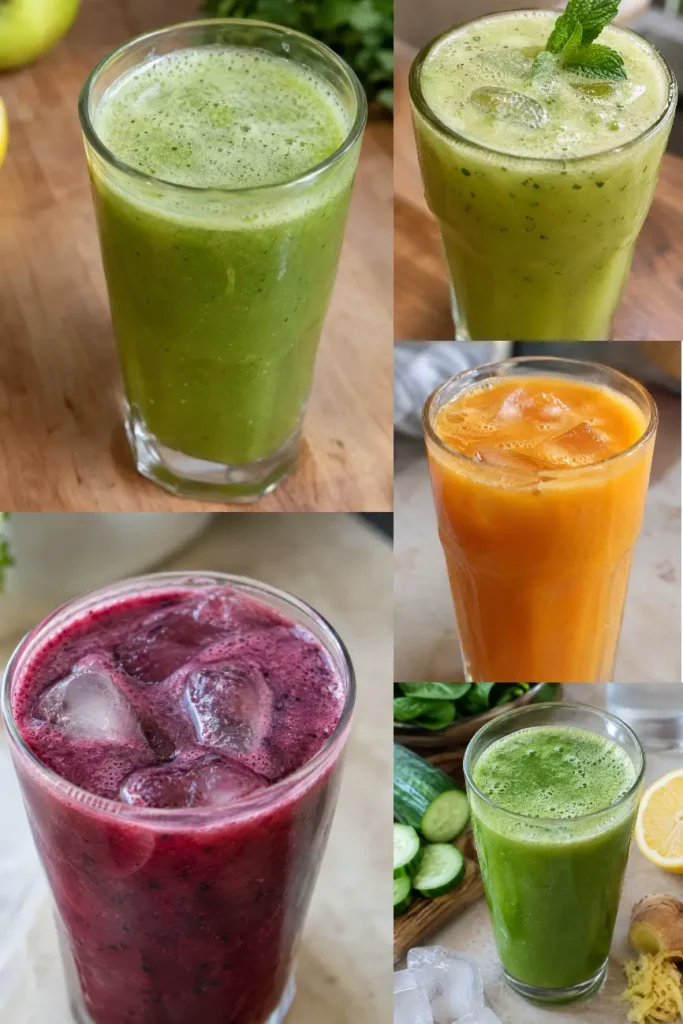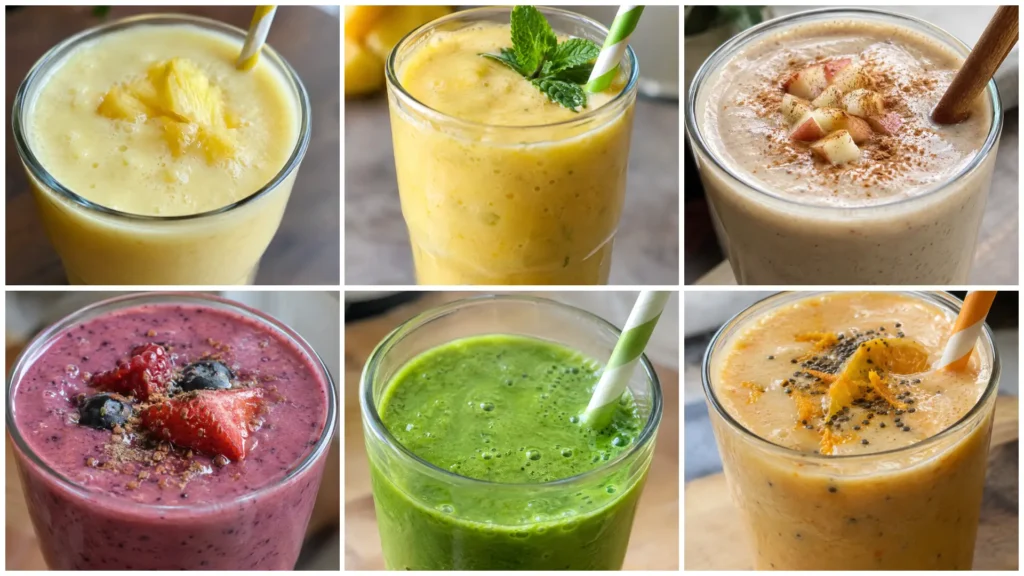
If your fridge is currently home to a lonely cucumber, a half bag of spinach, and a beet you bought with good intentions three days ago, this list is for you. Fresh juice recipes are one of the easiest ways to work more fruits and vegetables into a busy week, and once you have a small rotation you actually enjoy, juicing stops feeling like a project and starts feeling like something you just do on a Tuesday morning without thinking twice.
The seven combinations below cover a real range of flavors, bright and green, warm and spiced, deep and fruity, cool and tropical, so there’s something here whether you’re easing into juicing for the first time or just looking to break out of a smoothie rut. None of them require fancy equipment beyond a basic juicer or blender, and none of them ask you to track down an ingredient you’ve never heard of.
One honest note before you start: juice is a nice addition to a week of eating well, not a replacement for it. Juicing removes most of the fiber found in whole produce, so it’s best treated as a refreshing extra alongside regular meals rather than a meal itself.

What You’ll Get
Each recipe below includes a full ingredient list, clear numbered steps, and a few practical notes specific to that combination, the kind of small details that save you from a clogged juicer or a juice that separates weirdly in the fridge. A few of these lean more toward “blend and strain” than traditional juicing, since certain fruits like banana and mango don’t extract well through a juicer on their own. Both methods are covered so you can make every recipe with whatever equipment you already have.
Table of Contents
1. Cucumber Spinach Green Juice
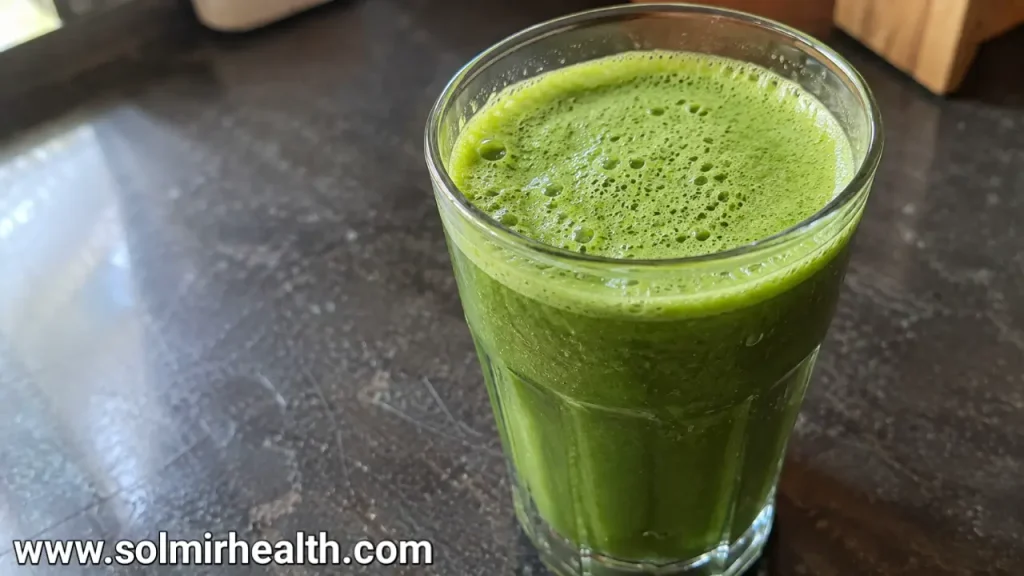
This is the recipe we’d point a green juice beginner toward first. Cucumber makes up most of the volume, which keeps the flavor light and clean instead of heavy or grassy, and the lemon and ginger add just enough brightness to keep it interesting.
Ingredients
• 1 medium cucumber, roughly chopped
• 2 cups fresh spinach
• 1 lemon, peeled
• 1 inch piece fresh ginger, peeled
How To Make Cucumber Spinach Green Juice
- Run the cucumber, spinach, lemon, and ginger through a juicer in batches, alternating watery and leafy ingredients so the greens don’t clog the machine.
- Stir the finished juice well, since spinach tends to settle at the bottom of the glass.
- Pour over ice and drink right away, or refrigerate in a sealed jar for up to 24 hours.
No juicer? Blend everything with 1/2 cup of water until smooth, then strain through a fine mesh sieve or nut milk bag, pressing to get as much liquid out as possible.
A small tip that makes a real difference here: buy your spinach a day or two before you plan to juice it, not the same morning. Spinach that has softened slightly can still work well in the juicer as long as it is fresh and properly stored.
2. Carrot Orange Turmeric Juice

Sweet, citrusy, and warmed with a peppery hit of fresh turmeric, this one tends to win over people who don’t usually reach for vegetable forward juices. It’s a good mid morning pick me up when you want something a little more substantial than plain citrus juice.
Ingredients
• 4 large carrots, scrubbed and trimmed
• 2 oranges, peeled
• 1 teaspoon grated fresh turmeric, or 1/4 teaspoon ground turmeric, stirred in after juicing
• 1 inch piece fresh ginger, peeled
How To Make Carrot Orange Turmeric Juice
- Juice the carrots, oranges, and fresh turmeric, if using, together.
- If you’re using ground turmeric instead of fresh, stir it into the finished juice. It won’t extract properly through a juicer.
- Juice the ginger alongside the carrots, or run it through separately afterward.
- Stir well and serve immediately, or store in the fridge for up to a day.
Fresh turmeric stains fingers and cutting boards fast, so wear gloves if you have them and wipe down your board while the stain is still fresh rather than after it’s had time to set in.
3. Beet Apple Ginger Juice
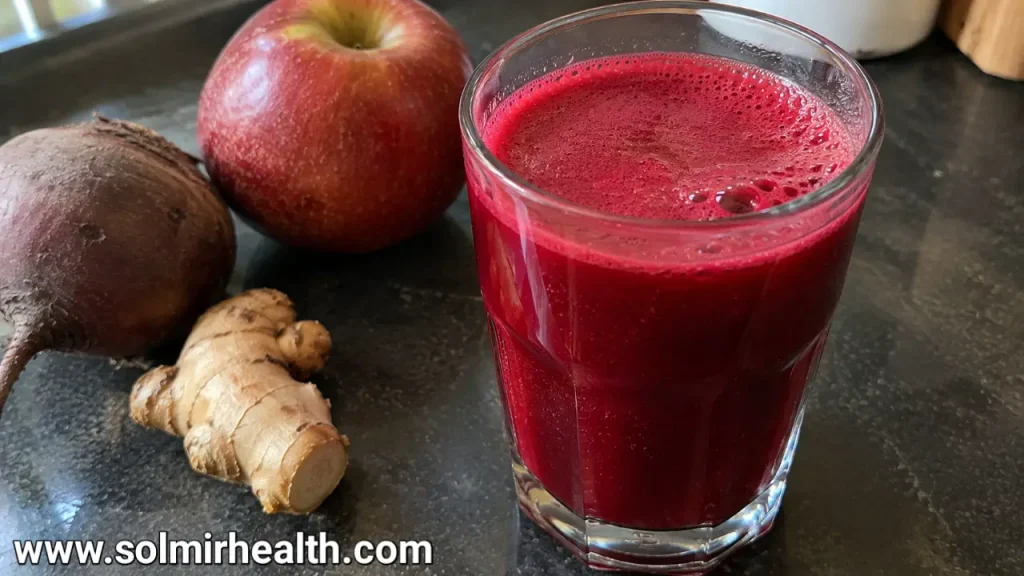
Deep red, slightly earthy, and mostly sweetened by the apples rather than the beet itself, this is the juice to make when you want something that feels a little more indulgent without being a smoothie. Go lighter on the beet than you think you need the first time. Its flavor is strong, and it’s much easier to add more next time than to fix an overly earthy batch.
Ingredients
• 1 medium beet, scrubbed and trimmed, skin left on
• 2 medium apples, cored and quartered
• 1 lemon, peeled
• 1 inch piece fresh ginger, peeled
How To Make Beet Apple Ginger Juice
- Cut the beet into wedges small enough to fit your juicer’s feed tube.
- Juice the beet, apples, lemon, and ginger together, alternating beet with apple pieces to keep everything moving through the machine smoothly.
- Stir well, since beet juice separates quickly, and serve over ice.
One thing worth knowing ahead of time: beet juice can temporarily tint urine and stool a pink or red color. This is harmless and completely normal for many people, not a sign that anything is wrong.
4. Pineapple Cucumber Mint Juice

Tropical, cooling, and about as refreshing as juice gets, this is the one to keep in rotation through the warmer months. The mint gives it a clean finish that keeps the pineapple from tasting one note sweet.
Ingredients
• 2 cups fresh pineapple chunks
• 1 medium cucumber, roughly chopped
• 8 to 10 fresh mint leaves
• 1 lime, peeled
How To Make Pineapple Cucumber Mint Juice
- Juice the pineapple, cucumber, mint, and lime together in batches.
- Stir well and pour over ice.
- For a stronger mint flavor, muddle a few extra leaves directly in the glass before pouring the juice over them.
Ripeness matters a lot here. Pineapple that’s fragrant at the base and gives slightly to pressure will juice sweet. Underripe pineapple tends to come out sharp and acidic instead.
5. Blueberry Pomegranate Juice
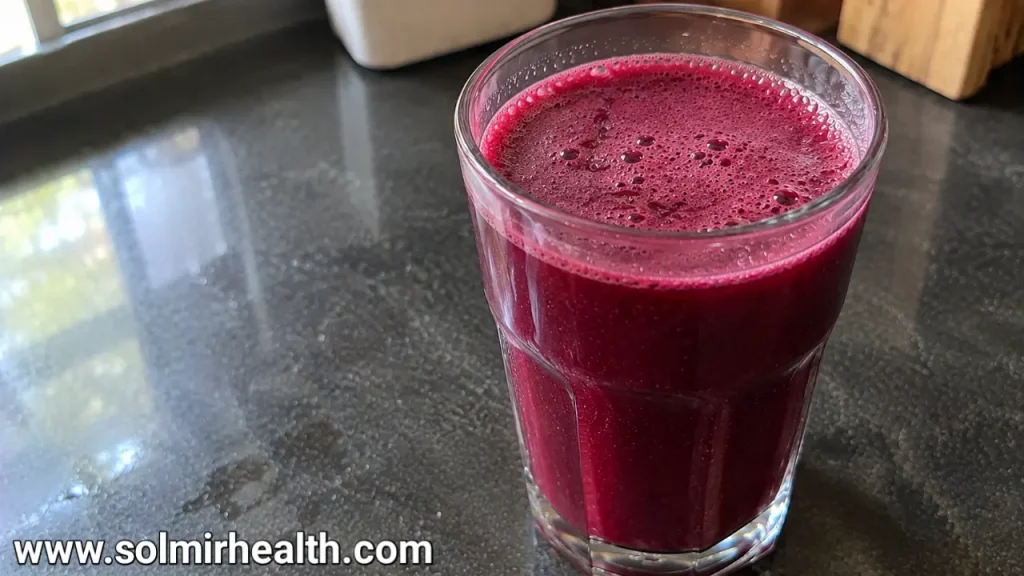
This one is richer and more concentrated than the others on this list, so a smaller glass goes further than you’d expect. Berries don’t release much liquid through a standard juicer, so this recipe leans on blending and straining rather than traditional extraction.
Ingredients
• 1 cup fresh or frozen blueberries
• 1 cup pomegranate arils, or 3/4 cup no sugar added pomegranate juice
• 1 lemon, peeled
• 1/2 cup cold water
How To Make Blueberry Pomegranate Juice
- If you’re using pomegranate arils rather than juice, blend them separately first and strain out the seeds before combining with everything else.
- Blend the blueberries, pomegranate, lemon, and water until completely smooth.
- Strain through a fine mesh sieve or nut milk bag, pressing with the back of a spoon to push through as much liquid as possible.
- Serve chilled or over ice.
This juice will separate a little as it sits in the fridge. Give it a gentle stir before drinking rather than shaking the jar, which tends to introduce more froth than you actually want in the glass.
6. Mango Banana Coconut Juice

This is really a blended juice more than a traditionally extracted one, since neither banana nor mango juices well on its own. The texture is closer to a light smoothie, with a subtle warmth from the turmeric rounding things out.
Ingredients
• 1 ripe mango, peeled and cubed
• 1 ripe banana
• 1/4 teaspoon ground turmeric
• 1 cup coconut water
How To Make Mango Banana Coconut Juice
- Combine the mango, banana, turmeric, and coconut water in a blender.
- Blend on high until completely smooth, about 30 to 45 seconds.
- Pour over ice and drink right away. Banana causes this one to thicken quickly the longer it sits.
If you’d rather have something closer to a true juice than a smoothie, strain the blended mixture through a fine mesh sieve before serving. It won’t be perfectly clear, but it will pour and drink much thinner.
7. Celery Green Apple Juice
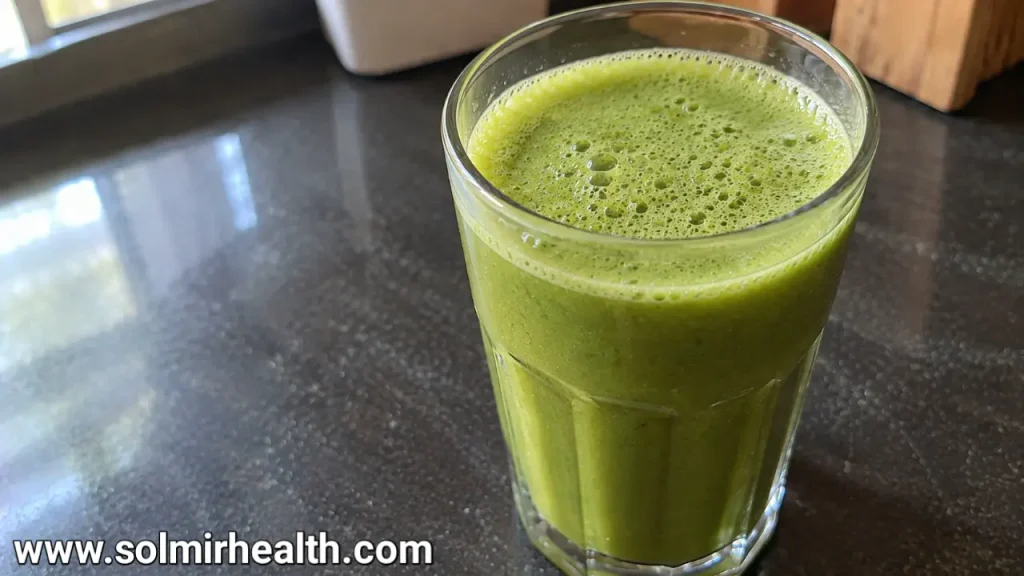
Crisp, light, and a nice one to end the week on, this juice gets a clean, slightly salty edge from the celery that plays well against the sweetness of green apple.
Ingredients
• 6 to 8 celery stalks
• 2 green apples, cored and quartered
• 1 lemon, peeled
• 6 to 8 fresh mint leaves
How To Make Celery Green Apple Juice
- Juice the celery, apples, lemon, and mint together, alternating celery with apple pieces to keep things moving.
- Stir well. Celery juice tends to foam right after juicing, and letting it sit for a minute or two lets the foam settle before you drink it.
- Serve over ice.
Of all seven recipes here, this is the one most worth drinking the same day you make it. Celery juice loses its bright, crisp flavor faster than the others, so it isn’t a great candidate for making a day ahead.
How to Store Fresh Juice
Fresh juice can gradually lose some flavor and nutrients after it’s made, particularly with exposure to air, light, and time. For the best taste, aim to drink each juice within a few hours of juicing. If you do need to store one, use a clean airtight glass jar filled as close to the top as practical to limit air contact, refrigerate it promptly, and use it within 24 hours. A quick stir or gentle shake before drinking takes care of any natural separation, which is completely normal and not a sign the juice has gone bad.
Because these are fresh homemade juices and are not pasteurized, good produce washing, clean equipment, prompt refrigeration, and short storage are important for food safety.
Troubleshooting Common Juicing Problems
My juice separates almost immediately. This is normal, especially with juices containing beet, spinach, or pomegranate. Give it a stir right before drinking rather than trying to prevent separation altogether.
My juicer keeps clogging. Alternate watery ingredients, cucumber, apple, and orange, with leafy or fibrous ones, spinach, celery, and ginger, as you feed them through. Running everything leafy through at once is the most common cause of a jammed juicer.
My juice tastes bitter or too strong. This usually comes down to too much of one intense ingredient. Beet, ginger, or turmeric are the usual culprits. Cut the amount roughly in half next time and build back up to your preferred strength.
My blended juice is too thick to drink easily. Add cold water or coconut water a splash at a time until it reaches a texture you like, or run it through a fine mesh sieve for a thinner pour.
A Few General Tips for Better Juice
Buy a little more produce than each recipe calls for. Fruits and vegetables vary in size and juiciness, so having extra on hand means you’re not stuck with a half finished juice because one cucumber turned out smaller than expected. Wash produce well even when you’re planning to peel it, since a knife or peeler can carry dirt from the skin into the flesh. And when a recipe calls for peeling citrus, leave a bit of the white pith intact if you don’t mind a slightly more bitter edge. It’s where some of the fruit’s fiber and plant compounds are found, even though most of that fiber won’t make it into the final juice either way.
Final Thoughts
Having a handful of go to juice combinations makes it far easier to actually use up produce before it goes soft in the crisper drawer, and rotating through different flavors keeps the habit from feeling repetitive. Start with whichever recipe matches what’s already sitting in your kitchen, and treat the rest of this list as something to work through gradually rather than all in one week. The goal isn’t to drink all seven by Sunday. It’s to have enough variety on hand that reaching for fresh juice feels easy more often than not.