
There’s a particular kind of relief that comes with the first properly cold week of the year, the moment you stop reaching for salads and start reaching for a big pot instead. That’s really what this collection of cozy soup recipes is about. It’s not one soup, but eight, each built around a different mood: some are silky and pureed, some are brothy and full of texture, and a couple lean into deeper, more savory territory with roasted tomato and browned mushrooms. Whatever kind of evening you’re having, there’s something here that fits it.
What ties all eight together is how approachable they are. None of them ask you to track down a specialty ingredient or pull out equipment you don’t already own. A blender or immersion blender handles the pureed ones, and everything else you’ll find at a regular grocery store. That’s intentional. A soup recipe you have to plan a special shopping trip around is a soup recipe you’ll make once and never again, and the goal here is the opposite. These are meant to earn a permanent spot in your fall and winter rotation.
There’s also a practical case for cozy soup recipes beyond the comfort factor. Soup is one of the few dishes that genuinely improves with a little patience. Flavors settle and deepen as it sits, which makes it one of the best candidates for batch cooking. Spend an hour on a Sunday afternoon, and you can have lunch handled for most of the week. Several of these freeze well too, so a big pot today can turn into a quick dinner on a night three weeks from now when cooking is the last thing you feel like doing.

What You’ll Find in This Collection
Before diving into the recipes themselves, it helps to know what you’re working with. This lineup includes five pureed soups, broccoli, pumpkin, mushroom, roasted tomato, and spinach, two brothy vegetable forward soups, lentil and cabbage, and one heartier chicken soup built on shredded chicken and root vegetables. That range matters, because “soup” can mean very different things depending on what you’re in the mood for. Some nights call for something silky you can eat curled up on the couch; other nights you want something with more bite and substance. Having a few of each type in your back pocket means you’re rarely stuck without an option that fits.
A few of these recipes also lean dairy free by design, using coconut milk or almond milk instead of cream to get that same rich, velvety texture. That wasn’t done to chase a trend. It’s simply that plant based milks hold up surprisingly well in soup, and they mean more people at the table can actually enjoy the meal without needing a modified version made just for them.
Table of Contents
1. Spiced Lentil Soup
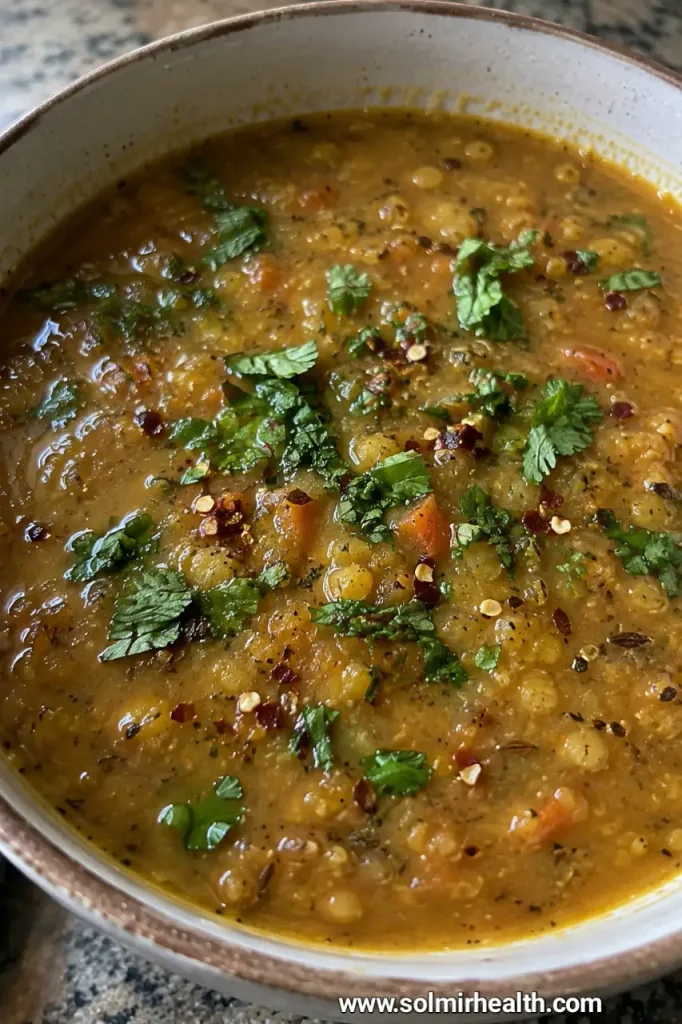
Red lentils are the quiet workhorse of this recipe. As they simmer, they break down almost completely, which is what gives this soup its thick, velvety body without a drop of cream anywhere in the ingredient list. The cumin and turmeric add real warmth and depth, but neither brings any heat with it, which makes this one of the more universally appealing cozy soup recipes on the list. Even people who steer clear of spicy food tend to enjoy it.
Ingredients
• 1 tablespoon olive oil
• 1 small onion, diced
• 2 garlic cloves, minced
• 1 teaspoon ground cumin
• 1/2 teaspoon ground turmeric
• 1 cup dried red lentils, rinsed
• 1, 14.5 ounce can diced tomatoes
• 4 cups vegetable broth
• Salt and black pepper, to taste
• Fresh cilantro or parsley, for serving
How To Make Spiced Lentil Soup
- Heat the olive oil in a large pot over medium heat. Add the onion and cook until softened, about 5 minutes.
- Stir in the garlic, cumin, and turmeric, and cook for 30 seconds until fragrant.
- Add the lentils, diced tomatoes, and vegetable broth. Bring to a boil, then reduce the heat to a simmer.
- Cook uncovered for 20 to 25 minutes, stirring occasionally, until the lentils have broken down and the soup has thickened.
- Season with salt and pepper to taste, thinning with a splash of water or broth if it’s thicker than you’d like.
- Ladle into bowls and finish with fresh herbs.
A quick note on the lentils: red lentils cook fast and don’t need soaking, which is part of why this recipe comes together in under half an hour. If you swap in green or brown lentils instead, plan on a longer simmer and expect a heartier, less uniformly smooth result. Still good, just a different kind of soup.
2. Cabbage Vegetable Soup

This one is light and brothy, built around shredded cabbage that softens gradually as it simmers, soaking up flavor from the tomatoes and vegetables around it rather than dominating the bowl. It’s an easy soup to make in a large batch, since cabbage keeps its texture well over several days in the fridge instead of turning mushy.
Ingredients
• 1 tablespoon olive oil
• 1 small onion, diced
• 1 bell pepper, diced
• 2 celery stalks, diced
• 2 garlic cloves, minced
• 4 cups shredded green cabbage, about half a medium head
• 1, 28 ounce can crushed tomatoes
• 4 cups vegetable broth
• 1 teaspoon dried oregano
• Salt and black pepper, to taste
How To Make Cabbage Vegetable Soup
- Heat the olive oil in a large pot over medium heat. Add the onion, bell pepper, and celery, and cook until softened, about 6 minutes.
- Stir in the garlic and cook for 30 seconds.
- Add the cabbage, crushed tomatoes, vegetable broth, and oregano. Bring to a boil, then reduce to a simmer.
- Cover partially and cook for 25 to 30 minutes, until the cabbage is tender.
- Season with salt and pepper to taste before serving.
This is one of those soups that’s arguably better the next day, once the cabbage has had time to fully absorb the tomato base. If you have the patience for it, make it a day ahead and just reheat gently before serving.
3. Broccoli Soup
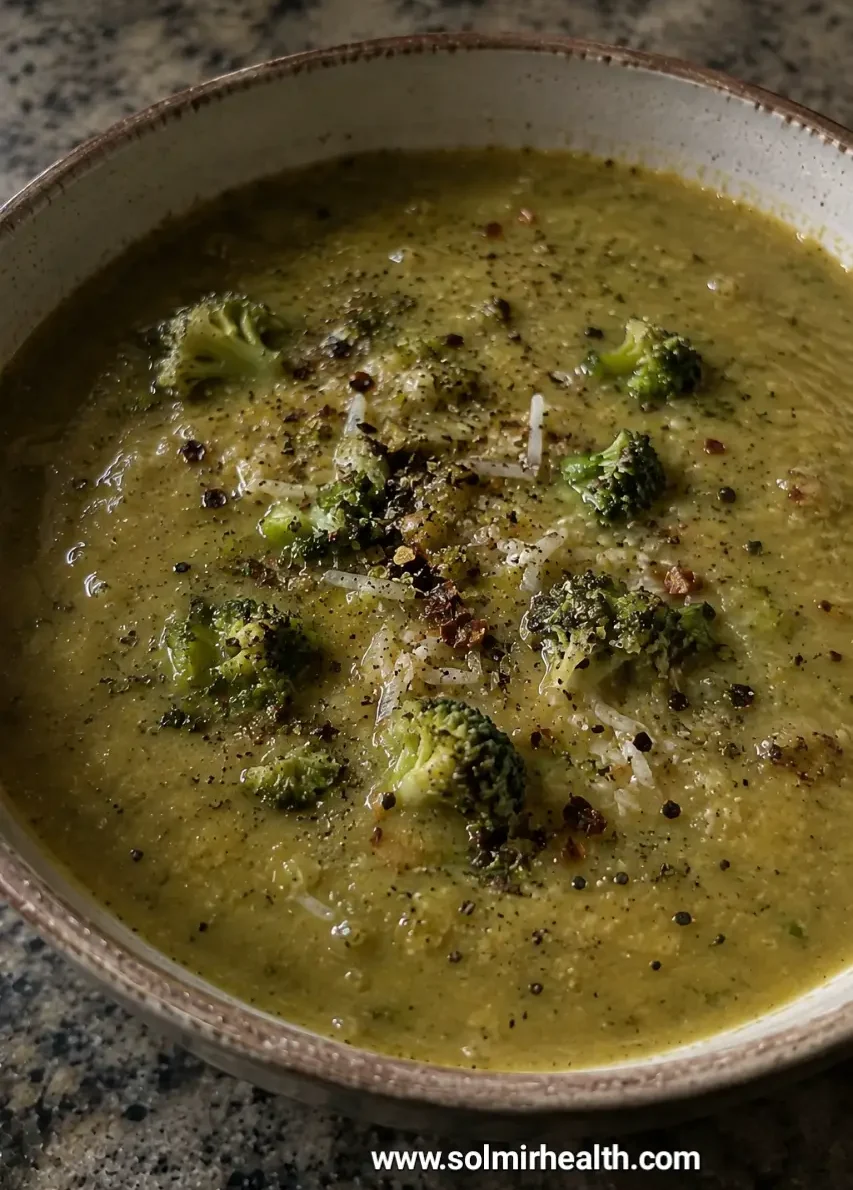
Pureed until completely smooth, this soup leans on coconut milk instead of cream for its richness, which keeps it dairy free without sacrificing that thick, comforting texture people want from a broccoli soup. Garlic and onion build a savory foundation underneath the broccoli’s fresh, slightly grassy flavor, so it never tastes one note.
Ingredients
• 1 tablespoon olive oil
• 1 small onion, diced
• 2 garlic cloves, minced
• 4 cups broccoli florets, about 1 large head
• 3 cups vegetable broth
• 1, 13.5 ounce can coconut milk
• 1/2 teaspoon black pepper
• Salt, to taste
How To Make Broccoli Soup
- Heat the olive oil in a large pot over medium heat. Add the onion and cook until soft and translucent, about 5 minutes.
- Add the garlic and cook for 30 seconds, then stir in the broccoli florets and vegetable broth.
- Bring to a boil, then reduce to a simmer and cook for 12 to 15 minutes, until the broccoli is very tender.
- Stir in the coconut milk and black pepper.
- Puree with an immersion blender directly in the pot, or in batches in a stand blender, until completely smooth.
- Season with salt to taste and reheat gently before serving.
If you like a bit of texture running through an otherwise smooth soup, set aside a small handful of florets before pureeing and stir them back in at the end. It’s a small touch, but it changes the eating experience more than you’d expect.
4. Spiced Pumpkin Soup
Warmed through with cinnamon and nutmeg, this soup sits at the cozier, more autumnal end of the lineup. Using canned pumpkin puree instead of roasting your own means there’s no peeling or oven time involved. You can have this one on the table in under thirty minutes, which is rare for something that tastes this deliberate.
Ingredients
• 1 tablespoon olive oil
• 1 small onion, diced
• 2 garlic cloves, minced
• 1, 15 ounce can pure pumpkin puree
• 3 cups vegetable broth
• 1/2 cup coconut milk
• 1/2 teaspoon ground cinnamon
• 1/4 teaspoon ground nutmeg
• Salt and black pepper, to taste
How To Make Spiced Pumpkin Soup
- Heat the olive oil in a large pot over medium heat. Add the onion and cook until softened, about 5 minutes.
- Stir in the garlic and cook for 30 seconds.
- Add the pumpkin puree and vegetable broth, whisking until smooth.
- Bring to a gentle simmer and cook for 10 minutes, stirring occasionally.
- Stir in the coconut milk, cinnamon, and nutmeg, and simmer for another 5 minutes.
- Season with salt and pepper to taste, and serve warm.
One thing worth double checking at the store: reach for plain pumpkin puree, not pumpkin pie filling. They sit next to each other on the shelf and look nearly identical, but pie filling already has sugar and spice blended in, which will throw off the balance of this soup before you’ve even added your own seasoning.
5. Ginger Chicken Soup

This is the heartiest, most substantial soup in the collection, built on shredded chicken, root vegetables, and a generous amount of fresh ginger that gives it a warm, slightly spicy edge. If you’re looking for something closer to a classic chicken soup but with a bit more character, this is the one to reach for.
Ingredients
• 1 tablespoon olive oil
• 1 small onion, diced
• 2 carrots, sliced
• 2 celery stalks, sliced
• 1 tablespoon grated fresh ginger
• 2 garlic cloves, minced
• 6 cups chicken bone broth
• 2 cups cooked, shredded chicken
• Salt and black pepper, to taste
• Fresh parsley, for serving
How To Make Ginger Chicken Soup
- Heat the olive oil in a large pot over medium heat. Add the onion, carrots, and celery, and cook until the onion turns translucent, about 6 minutes.
- Stir in the ginger and garlic, and cook for 30 seconds until fragrant.
- Add the bone broth and bring to a simmer. Cook for 10 to 12 minutes, until the vegetables are tender.
- Stir in the shredded chicken and cook for another 3 to 4 minutes, just until heated through.
- Season with salt and pepper to taste, and top with fresh parsley before serving.
A rotisserie chicken from the grocery store is a genuine shortcut here, not a compromise. Shred it straight into the pot in step 4 and you’ve cut a real chunk of time off this recipe without losing anything in flavor.
6. Mushroom Soup

Earthy and deeply savory, this soup depends on a mix of mushroom varieties for its depth, with thyme and garlic rounding out the flavor underneath. Almond milk keeps the whole thing dairy free while still giving the finished soup a body that feels genuinely creamy rather than thin.
Ingredients
• 1 tablespoon olive oil
• 1 small onion, diced
• 3 cups mixed mushrooms, such as cremini, button, and shiitake, sliced
• 2 garlic cloves, minced
• 1 teaspoon fresh thyme leaves, or 1/2 teaspoon dried
• 3 cups vegetable broth
• 1 cup unsweetened almond milk
• 1/2 teaspoon black pepper
• Salt, to taste
How To Make Mushroom Soup
- Heat the olive oil in a large pot over medium high heat. Add the onion and cook for 3 minutes.
- Add the mushrooms and cook, stirring occasionally, for 8 to 10 minutes, until they’ve released their liquid and started to brown.
- Stir in the garlic and thyme, and cook for 30 seconds.
- Add the vegetable broth and bring to a simmer. Cook for 10 minutes.
- Stir in the almond milk and black pepper, and simmer for another 3 to 4 minutes without letting it boil.
- Season with salt to taste before serving.
Letting the mushrooms brown properly in step 2, rather than rushing them, is really what makes this soup taste like more than the sum of its parts. That browning is where most of the flavor comes from, so don’t shortcut it even if you’re tempted to move things along. For a texture closer to a traditional cream of mushroom soup, puree half the pot and stir it back in with the unblended half.
7. Roasted Tomato Soup
Roasting the tomatoes before anything else happens is what sets this soup apart from versions made with canned tomatoes alone. The high heat concentrates their flavor and brings out a natural sweetness that a quick simmer just can’t replicate. Fresh basil and roasted garlic tie it all together at the end.
Ingredients
• 2 pounds ripe tomatoes, halved
• 3 tablespoons olive oil, divided
• 4 garlic cloves, unpeeled
• 1 small onion, diced
• 2 cups vegetable stock
• 1/4 cup fresh basil leaves, plus more for serving
• Salt and black pepper, to taste
How To Make Roasted Tomato Soup
- Preheat the oven to 400°F. Arrange the tomatoes cut side up on a baking sheet along with the whole garlic cloves. Drizzle with 2 tablespoons of the olive oil and season with salt and pepper.
- Roast for 30 to 35 minutes, until the tomatoes are soft and slightly charred at the edges.
- Meanwhile, heat the remaining tablespoon of olive oil in a large pot over medium heat. Add the onion and cook until softened, about 5 minutes.
- Squeeze the roasted garlic out of its skins and add it to the pot along with the roasted tomatoes and any juices left on the baking sheet.
- Add the vegetable stock and bring to a simmer. Cook for 10 minutes.
- Stir in the basil, then puree with an immersion blender or in batches in a stand blender until smooth.
- Season with salt and pepper to taste, and serve topped with a few fresh basil leaves.
If the finished soup tastes a touch sharp, that’s usually just the natural acidity of the tomatoes coming through. A teaspoon of honey or a small splash of extra stock will round it out without making the soup taste sweet.
8. Green Spinach Soup

Bright, light, and quick to make, this soup comes together largely because spinach wilts down in a matter of minutes rather than needing a long simmer. Zucchini gives it enough body to feel satisfying, and a squeeze of lemon juice at the end keeps the flavor fresh instead of flat.
Ingredients
• 1 tablespoon olive oil
• 1 small onion, diced
• 2 garlic cloves, minced
• 2 medium zucchini, chopped
• 4 cups vegetable broth
• 5 ounces fresh spinach
• Juice of 1/2 lemon
• Salt and black pepper, to taste
How To Make Green Spinach Soup
- Heat the olive oil in a large pot over medium heat. Add the onion and cook until softened, about 5 minutes.
- Stir in the garlic and cook for 30 seconds.
- Add the zucchini and vegetable broth, bring to a boil, then reduce to a simmer and cook for 10 minutes, until the zucchini is tender.
- Stir in the spinach and cook just until wilted, about 2 minutes.
- Remove from heat and stir in the lemon juice.
- Puree with an immersion blender or in batches in a stand blender until smooth.
- Season with salt and pepper to taste and serve warm.
Timing matters more in this recipe than in most of the others on this list. Add the spinach right at the end and puree immediately. Letting it sit and cook any longer than necessary dulls that vivid green color and pushes it toward a duller, olive shade that just doesn’t look as appetizing in the bowl.
Tips for Making the Most of These Cozy Soup Recipes
A few small habits go a long way toward making this whole lineup easier to cook through, especially if you’re planning to work your way through more than one in a given week.
Prep your aromatics ahead of time. Nearly every recipe here starts the same way, onion, garlic, and often a vegetable or two, all cooked down before anything else goes into the pot. If you dice a couple of onions and mince a batch of garlic at the start of the week, you’ll shave real time off each individual soup.
Taste as you go, especially with salt. Broth brands vary a lot in sodium content, and the amount of salt a soup needs can shift depending on which one you’re using. Season in layers rather than all at once, tasting after the broth goes in and again right before serving.
Don’t skip the browning step where a recipe calls for it. The mushroom soup and roasted tomato soup both depend on a bit of caramelization for their depth of flavor. It’s tempting to rush past that stage, but that’s where a meaningful amount of the finished flavor actually comes from.
Keep an immersion blender on hand if you’re planning to make more than one or two of the pureed soups. It’s a fairly small investment, and it saves you the hassle of transferring hot soup into a stand blender in batches, which is both slower and messier.
Storage and Freezing
Most of these soups hold up well in an airtight container in the fridge for 3 to 4 days, which is part of what makes them such good candidates for meal prep. The pureed soups, broccoli, pumpkin, mushroom, roasted tomato, and spinach, also freeze well for up to 3 months. Just leave a little room at the top of whatever container you’re using, since the liquid will expand slightly as it freezes.
The chunkier, brothier soups freeze fine too, with one exception worth noting: cabbage tends to soften further after thawing, so the cabbage vegetable soup is best enjoyed fresh or within the first few days rather than pulled from the freezer weeks later. When you’re ready to eat a frozen batch, thaw it overnight in the fridge and reheat thoroughly on the stovetop, stirring occasionally so it warms through evenly rather than scorching on the bottom. For food safety, leftovers should be reheated to 165°F.
Final Thoughts
Eight different cozy soup recipes is enough variety to get through an entire season without repeating yourself more than you’d like, whether you’re in the mood for something silky and pureed or something with more bite and substance. There’s no need to make all eight at once. Pick two or three that match what’s already sitting in your fridge, and keep the rest of the list on hand for whenever the weather turns and a warm bowl of soup sounds like exactly the right idea.