Getting enough protein does not have to mean eating the same grilled chicken breast on repeat. Protein shows up in dozens of everyday foods, including dairy, seafood, beans, grains, nuts, and more. Rotating through them keeps meals interesting while helping you meet your daily protein needs. Whether you are building muscle, managing hunger between meals, or simply trying to eat in a more balanced way, having a solid list of high protein foods on hand makes meal planning a lot easier.
What You Will Find in This List
Below are 28 accessible, grocery store friendly foods that provide meaningful amounts of protein per serving. You will find animal based options like poultry, beef, fish, and eggs, plant based staples like beans, lentils, and tofu, along with nuts, seeds, and dairy based protein powders. Each entry includes an approximate protein amount, why it can be a useful addition to your routine, and simple ways to work it into meals.
Table of Contents
01. Cottage Cheese
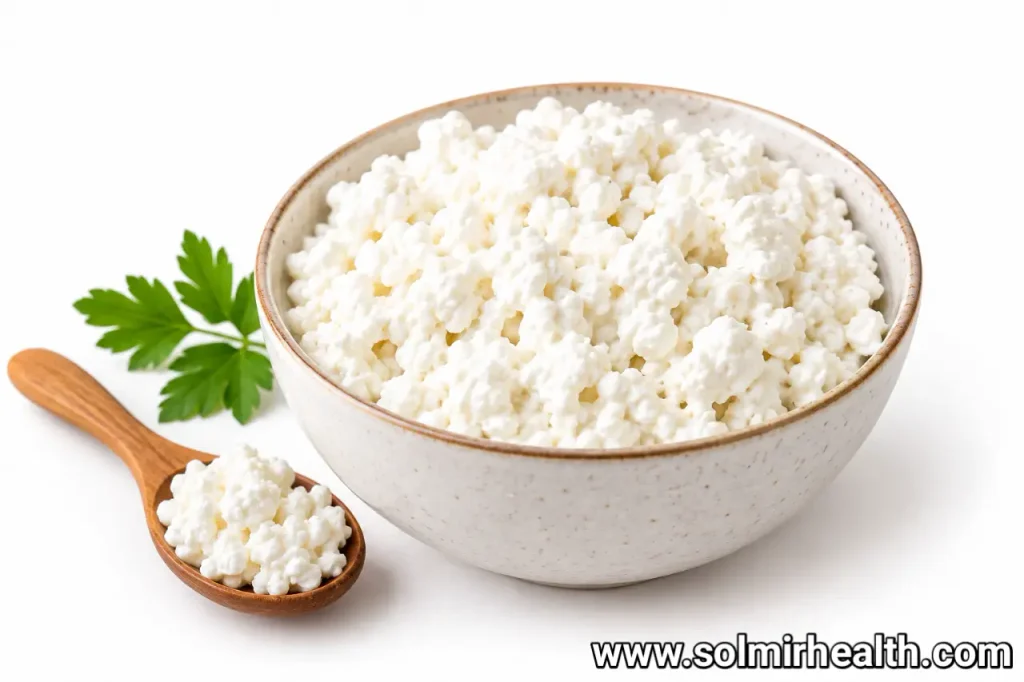
Cottage cheese has quietly become a kitchen staple again, and for good reason. A single cup can provide a substantial amount of protein along with calcium and B vitamins, and its mild flavor makes it easy to pair with both sweet and savory ingredients. Because much of its protein is casein, it is digested relatively slowly compared with some other proteins, which can help you feel satisfied for longer between meals.
Why It Is Helpful
The combination of protein and casein makes cottage cheese a practical choice when you want a filling food that can fit into breakfast, snacks, or evening meals.
Easy Ways to Eat It
Top it with berries and a drizzle of honey, blend it into a smoothie for extra creaminess, or use it as a base for a savory dip with herbs and lemon juice.
02. Greek Yogurt
Greek yogurt is strained to remove some of the whey, which concentrates the protein and gives it that signature thick texture. Protein amounts vary by brand and type, but many plain Greek yogurts provide a substantial amount of protein per cup. Some varieties also contain live cultures, making them a versatile choice for breakfast and snacks.
Why It Is Helpful
Beyond protein, yogurt with live cultures can be part of a diet that supports digestive health, and its tang works well in both breakfast and dinner recipes.
Easy Ways to Eat It
Swap it in for sour cream on tacos, mix it with granola and fruit, or use it as the base for a creamy salad dressing.
03. Tuna
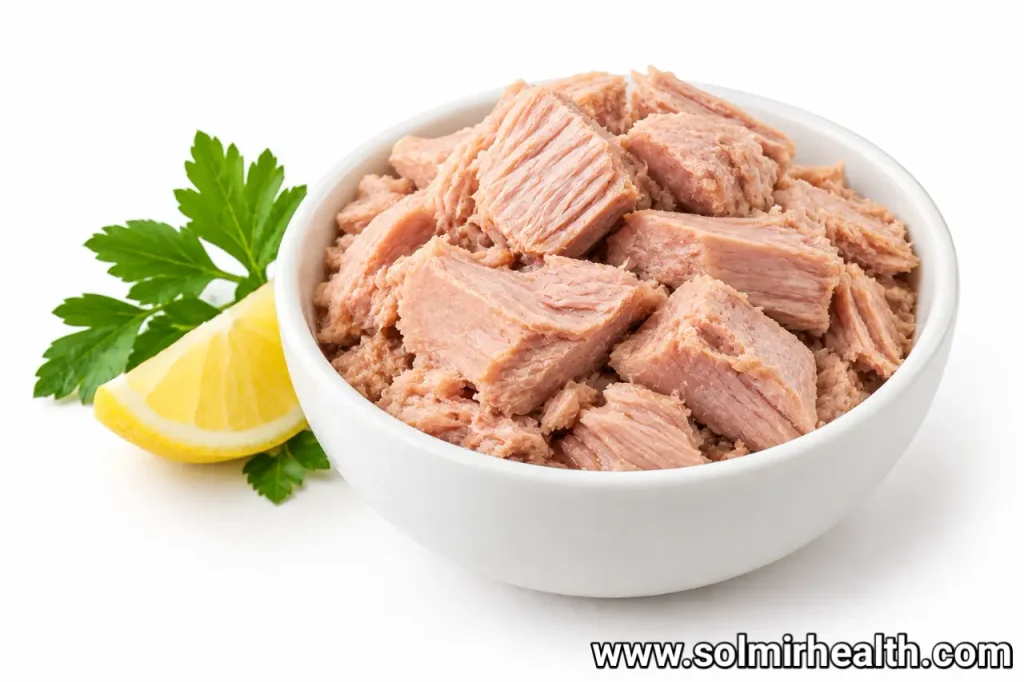
Canned tuna remains one of the most affordable and shelf stable protein sources available. A serving can provide a meaningful amount of protein along with nutrients such as omega 3 fatty acids. It requires no cooking, which makes it a genuinely convenient option for busy weekdays when a full meal prep session is not realistic.
Why It Is Helpful
Tuna combines lean protein with useful nutrients, and its long shelf life means you can keep a reliable protein source on hand.
Easy Ways to Eat It
Mix it with Greek yogurt or a light mayonnaise for a sandwich filling, toss it into a pasta salad, or serve it over greens with olive oil and lemon.
04. Chicken Breast
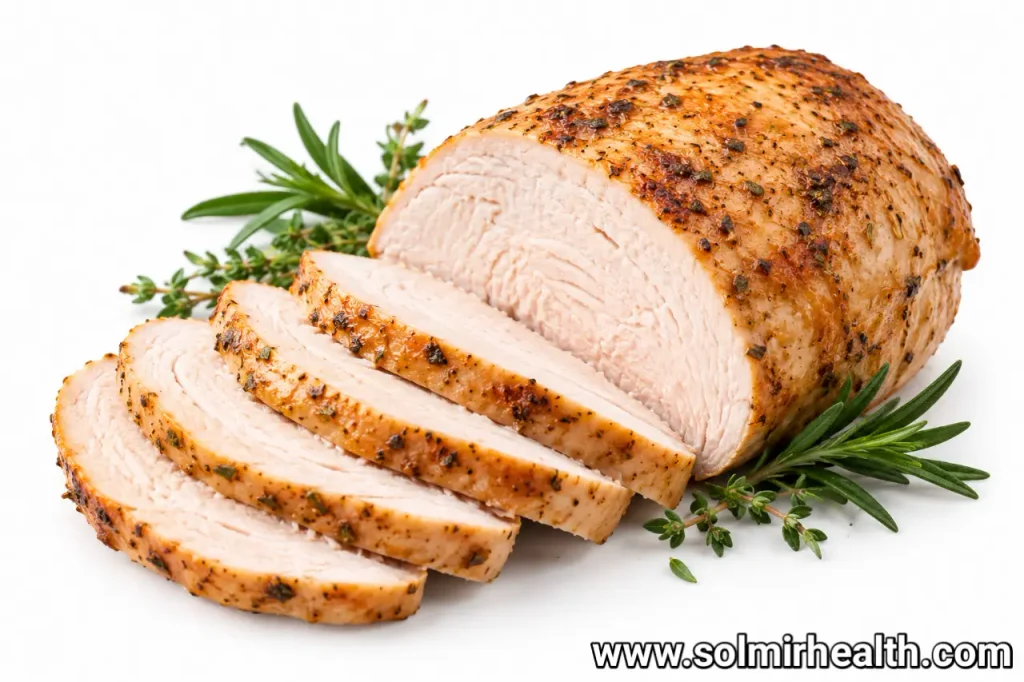
Chicken breast is a familiar staple for a reason. A 100 gram serving of cooked chicken breast can provide around 30 grams of protein, making it one of the more protein dense options on this list. Its neutral flavor also means it takes on seasoning well, so it rarely feels repetitive if you vary how you season and cook it.
Why It Is Helpful
The high protein content makes chicken breast a practical anchor for meals focused on maintaining muscle and meeting daily protein needs.
Easy Ways to Eat It
Grill it with a simple spice rub, slice it into a stir fry, or shred leftovers into soups and grain bowls throughout the week.
05. Turkey Breast
Turkey breast offers a similar profile to chicken, with roughly 29 grams of protein per 100 grams depending on preparation and cut. It has a slightly different flavor that can add variety to your weekly rotation. It is a common centerpiece at holiday meals, but it works just as well as an everyday option, especially sliced for sandwiches or ground into recipes.
Why It Is Helpful
Turkey is naturally lean and provides B vitamins such as niacin, which plays a role in normal energy metabolism.
Easy Ways to Eat It
Use sliced turkey breast for sandwiches, roast a small breast for meal prep, or swap ground turkey into your usual chili or meatball recipe.
06. Lean Beef
Lean cuts of beef, such as sirloin or lean ground beef, can provide roughly 25 to 27 grams of protein per 100 grams depending on the cut and preparation. Beef also provides iron and zinc, two important minerals that contribute to normal body functions.
Why It Is Helpful
The iron in beef is well absorbed compared with some plant sources, making lean beef one option for people looking to include more dietary iron along with protein.
Easy Ways to Eat It
Sear a sirloin steak and slice it over a salad, brown lean ground beef for tacos, or add strips to a vegetable stir fry.
07. Salmon
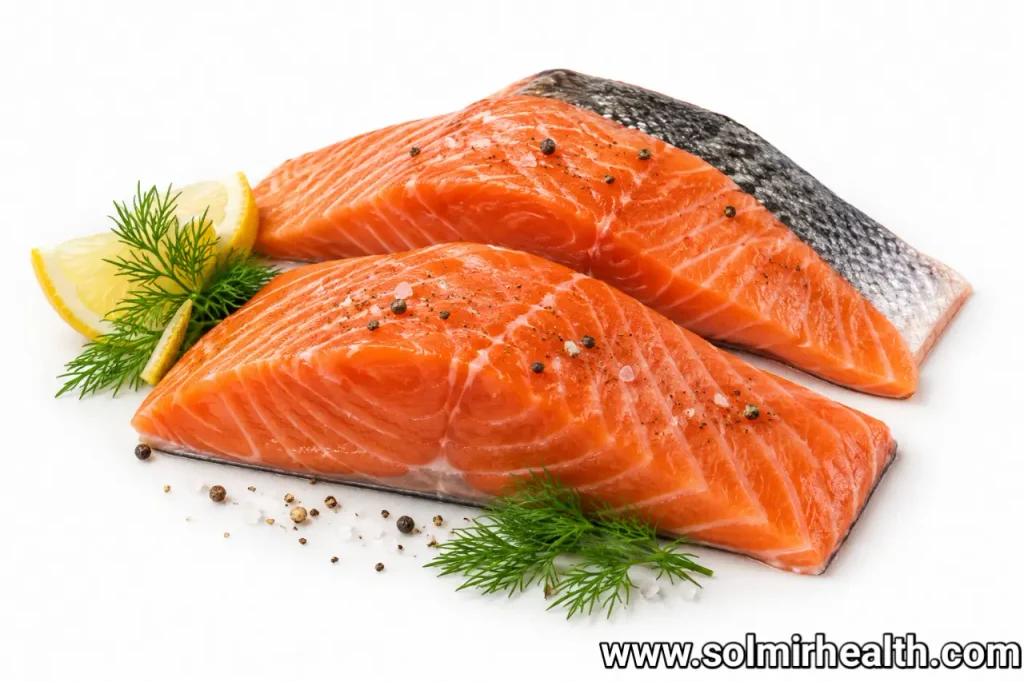
Salmon stands out on this list because it pairs a solid protein amount with omega 3 fatty acids that many other protein sources do not provide. A 100 gram serving can provide around 22 grams of protein, depending on the type and preparation. Whether fresh, frozen, or canned, salmon works in both quick weeknight meals and more elevated dinners.
Why It Is Helpful
Salmon combines protein with omega 3 fatty acids and other nutrients, which is one reason fatty fish is commonly included in healthy eating patterns. Salmon is also considered a lower mercury choice by the FDA.
Easy Ways to Eat It
Bake a fillet with lemon and herbs, flake leftover salmon into a grain bowl, or use canned salmon for quick patties.
08. Eggs
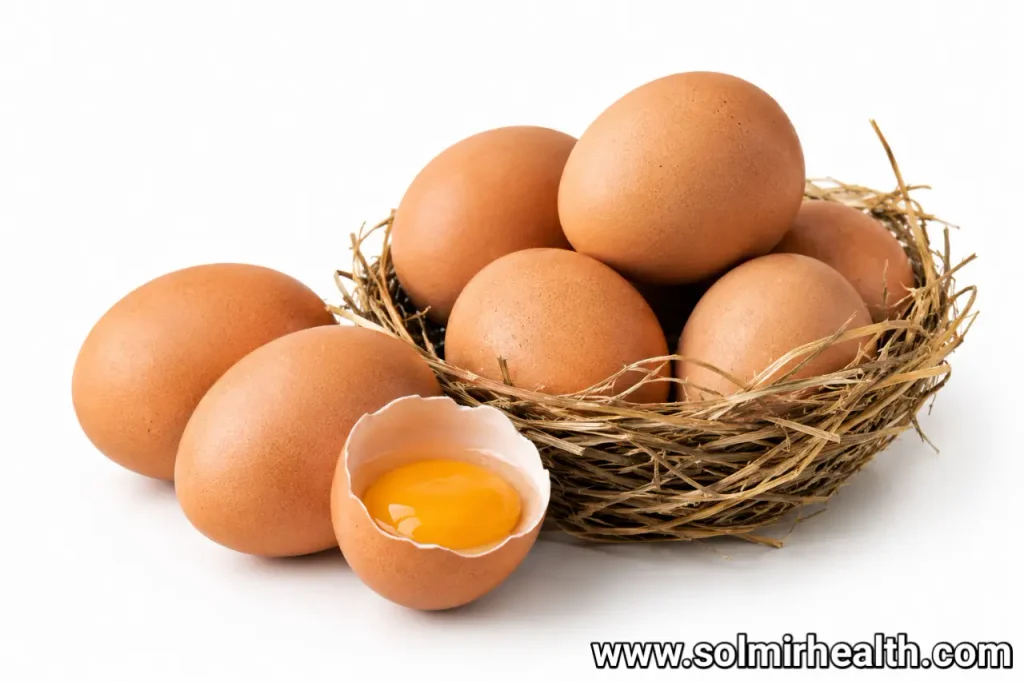
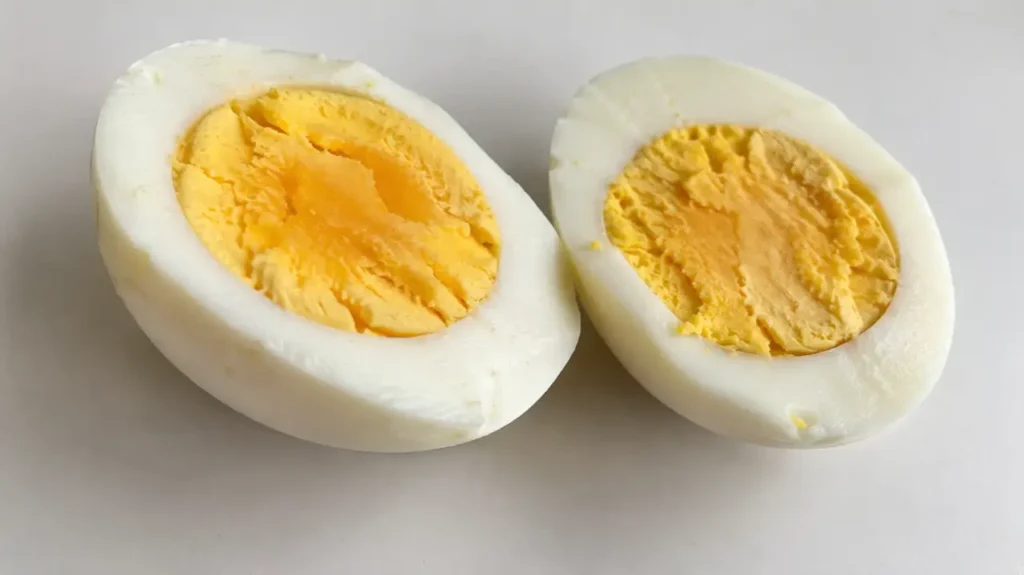
Eggs are a high quality protein source, offering about 6 grams of protein per large egg along with all nine essential amino acids. They are also one of the more budget friendly protein foods around, and their versatility means they can show up at almost any meal of the day without feeling repetitive.
Why It Is Helpful
Because eggs contain all nine essential amino acids, they provide a complete source of protein that can easily fit into a balanced diet.
Easy Ways to Eat It
Scramble a couple for breakfast, hard boil a batch for grab and go snacks, or fold chopped eggs into a grain salad for extra staying power.
09. Egg Whites
Egg whites provide about 4 grams of protein per large egg white with very little fat. They are a practical option if you are trying to increase protein intake without adding much fat or calories, and they are also sold pre separated in cartons for convenience.
Why It Is Helpful
Egg whites let you increase the protein content of a dish without adding much fat, which can be useful for meals such as omelets and scrambles.
Easy Ways to Eat It
Whip them into a fluffy omelet, add them to pancake batter, or use them to bind ingredients in homemade vegetable burgers.
10. Tofu
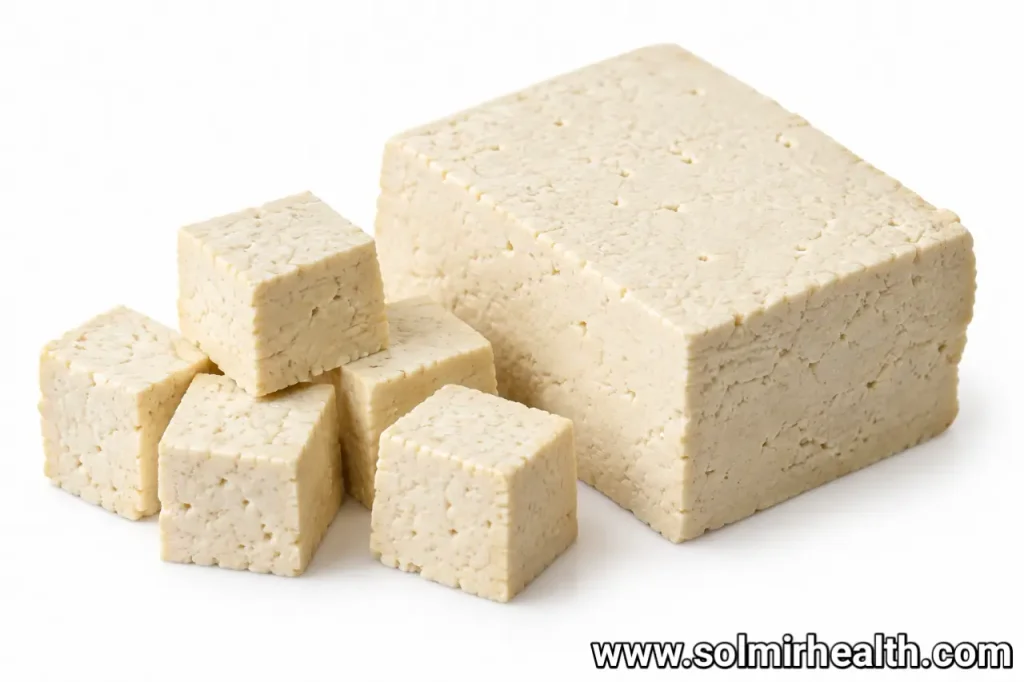
Tofu is made from condensed soy milk pressed into blocks, and it can provide around 10 grams of protein per 100 grams depending on the type. Soy is also a complete plant protein, meaning it provides all nine essential amino acids. Its neutral flavor means it absorbs whatever sauce or seasoning it is cooked with, making it a flexible base for countless dishes.
Why It Is Helpful
As a complete plant protein, tofu is a useful choice for readers looking to reduce meat consumption while still including a high quality protein source.
Easy Ways to Eat It
Press and pan sear cubes for a crispy stir fry, blend silken tofu into smoothies, or crumble firm tofu as a scramble alternative to eggs.
11. Tempeh
Tempeh is made from fermented whole soybeans pressed into a firm cake, which gives it a nuttier flavor and firmer bite than tofu. A 100 gram serving can provide around 19 grams of protein, depending on the product. Its fermentation also gives tempeh a distinctive texture and flavor.
Why It Is Helpful
Tempeh is a convenient plant based protein that provides substantial protein in a relatively small serving.
Easy Ways to Eat It
Slice and marinate it before pan frying, crumble it into tacos as a meat substitute, or add cubes to a stir fry with plenty of vegetables.
12. Edamame
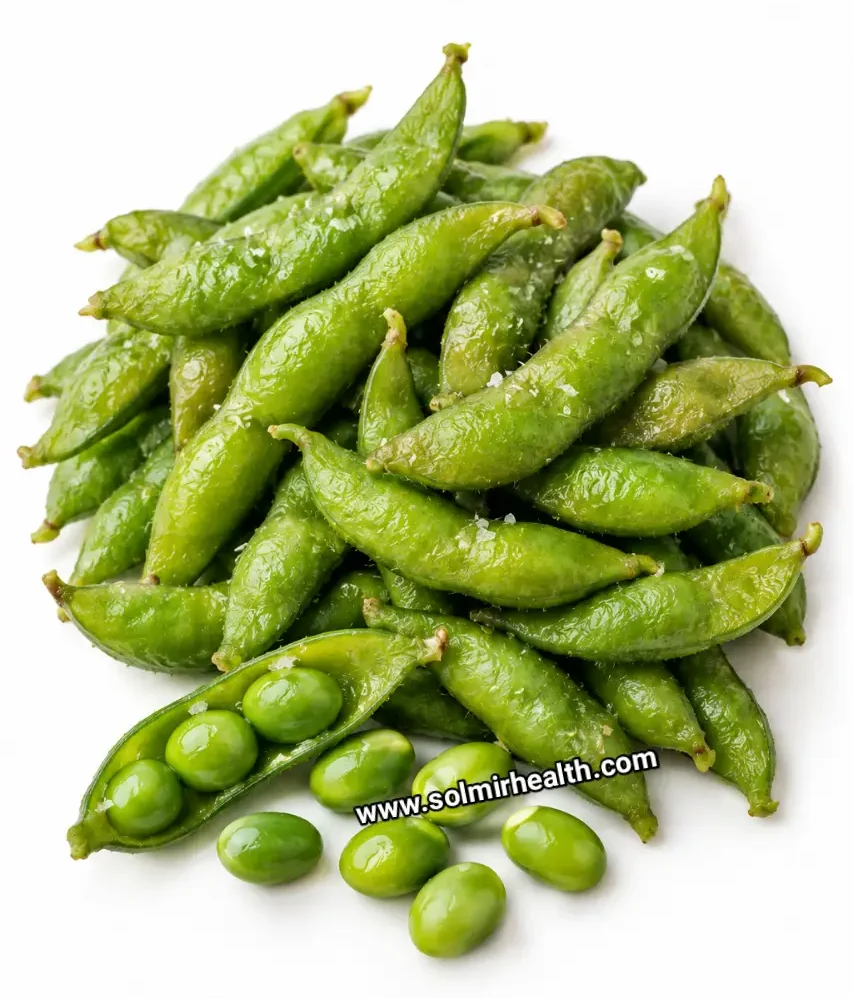
Edamame are young green soybeans, typically sold shelled or in the pod. A cooked cup can provide around 17 grams of protein along with fiber and folate. They are a satisfying snack on their own and can also be added to salads, bowls, and other meals.
Why It Is Helpful
Edamame combines protein and fiber in a single food, which can help meals and snacks feel more filling.
Easy Ways to Eat It
Steam the pods and sprinkle with a little salt for snacking, toss shelled edamame into salads, or blend them into a bright protein rich dip.
13. Lentils
Lentils are one of the more protein rich legumes, providing around 18 grams of protein per cooked cup along with a substantial amount of fiber. They cook faster than many dried beans and do not require soaking, which makes them one of the more practical plant proteins for weeknight cooking.
Why It Is Helpful
The combination of protein and fiber in lentils can help meals feel more filling while adding important nutrients to the diet.
Easy Ways to Eat It
Simmer them into a hearty soup, stir them into a curry, or use cooled lentils as the base for a grain free salad.
14. Chickpeas
Chickpeas, also known as garbanzo beans, provide about 15 grams of protein per cooked cup and are one of the most versatile legumes in American kitchens. They show up in everything from hummus to roasted snacks. Their mild, slightly nutty flavor makes them easy to incorporate into a wide range of savory dishes.
Why It Is Helpful
Chickpeas offer plant protein alongside fiber and folate, making them a well rounded addition to a varied diet.
Easy Ways to Eat It
Blend them into homemade hummus, roast them with spices for a crunchy snack, or toss them into a grain bowl for extra substance.
15. Black Beans
Black beans deliver roughly 15 grams of protein per cooked cup and are a pantry staple in many American households, especially for Tex Mex style meals. Canned black beans make them one of the quickest plant proteins to prepare since they just need to be drained and rinsed before use.
Why It Is Helpful
Along with protein, black beans provide a meaningful amount of fiber, making them a filling addition to meals.
Easy Ways to Eat It
Add them to burrito bowls, mash them into a bean dip, or stir them into soups and chili for extra body.
16. Kidney Beans
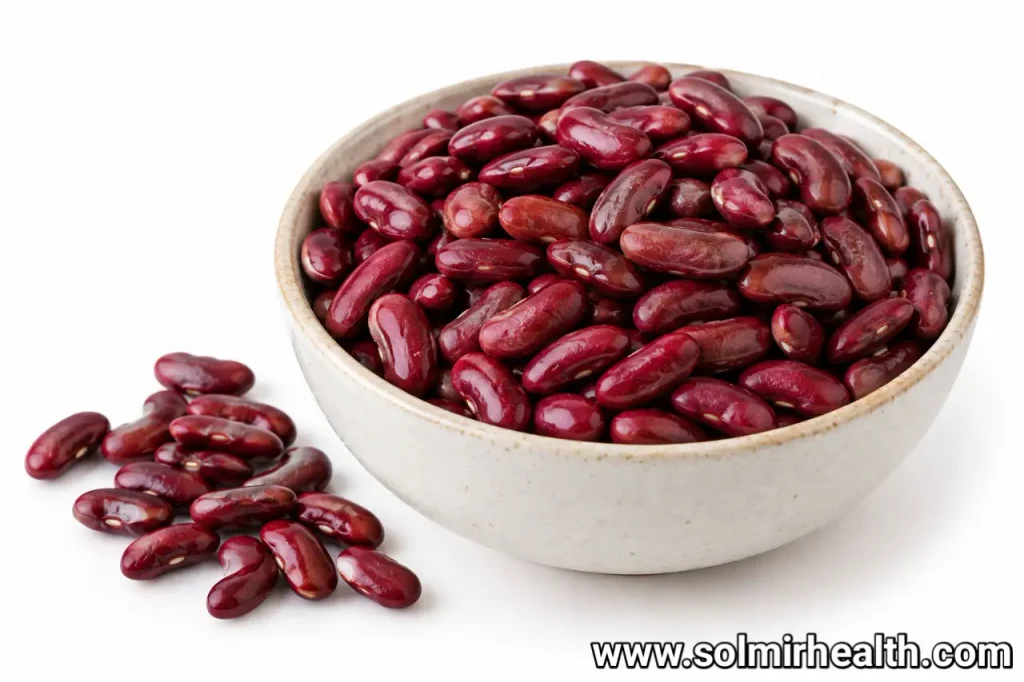
Kidney beans provide about 15 grams of protein per cooked cup and hold their shape well during cooking, which makes them a favorite in chili, stews, and slow cooked dishes. Like other legumes, they pair protein with fiber, offering a filling and budget friendly way to round out a meal.
Why It Is Helpful
Kidney beans are an easy way to add plant protein to dishes that already include meat, helping stretch the meal while adding fiber.
Easy Ways to Eat It
Simmer them into a classic chili, add them to a three bean salad, or mix them into rice for a simple and filling side.
17. Quinoa
Quinoa is technically a seed cooked and eaten like a grain, and it stands out because it contains all nine essential amino acids. A cooked cup provides around 8 grams of protein along with fiber, magnesium, and iron.
Why It Is Helpful
As a complete plant protein, quinoa is particularly useful for readers building plant focused meals who want more variety than rice alone.
Easy Ways to Eat It
Use it as a rice substitute under roasted vegetables, cool it for a grain salad, or serve it warm with a fried egg on top.
18. Oats
Oats are not usually thought of as a protein food, but a cup of cooked oats provides around 6 grams of protein along with soluble fiber. Their mild flavor and quick preparation make them one of the easiest breakfast staples to keep stocked.
Why It Is Helpful
Pairing oats with a higher protein topping such as yogurt, milk, nuts, or nut butter helps create a more balanced breakfast.
Easy Ways to Eat It
Cook them into a bowl topped with nuts and fruit, bake them into protein boosted oat bars, or blend them into pancake batter.
19. Peanut Butter
Peanut butter offers about 8 grams of protein per two tablespoons, along with unsaturated fats that can make meals and snacks more satisfying. It is one of the most widely available protein containing foods in the country, and its long shelf life makes it a dependable pantry staple.
Why It Is Helpful
The combination of protein and fat in peanut butter can help make snacks more satisfying and can complement other foods that are higher in carbohydrates.
Easy Ways to Eat It
Spread it on whole grain toast, stir it into oatmeal, or use it as the base for a simple homemade dressing.
20. Almonds
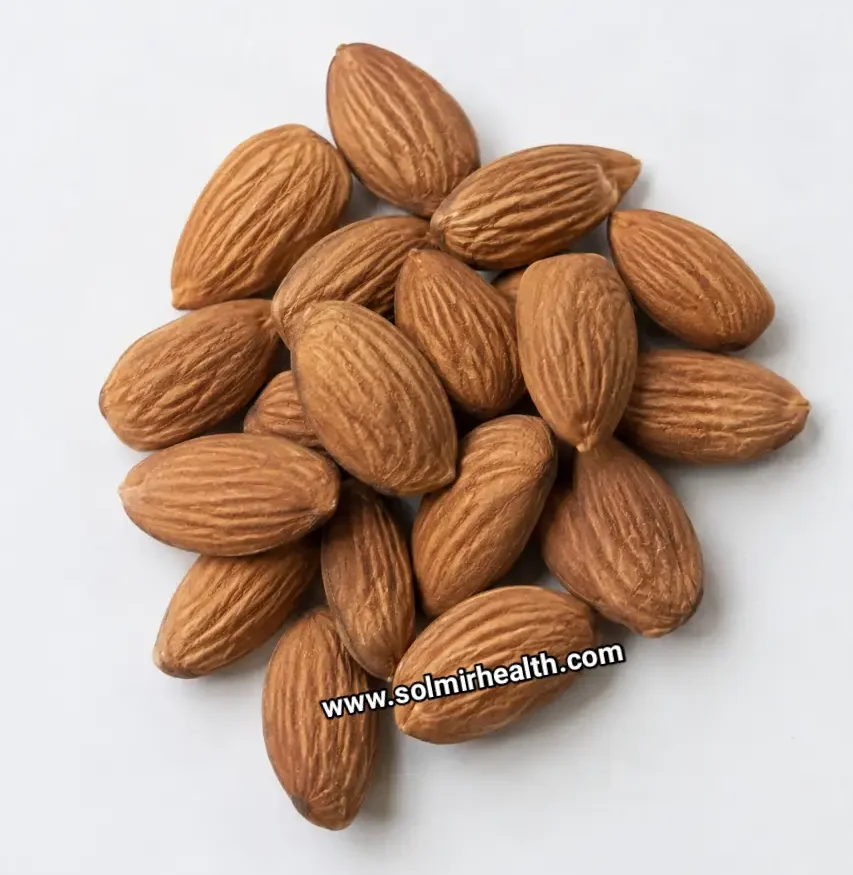
Almonds provide about 6 grams of protein per ounce, roughly a small handful, along with fiber, vitamin E, and unsaturated fats. Their satisfying crunch and portability make them a practical on the go snack that does not require preparation.
Why It Is Helpful
Almonds bring protein, fiber, and healthy fats together in a compact snack, making them an easy addition to a balanced eating pattern.
Easy Ways to Eat It
Keep a small container in your bag for snacking, chop them over yogurt or oatmeal, or use almond butter in place of peanut butter for variety.
21. Pumpkin Seeds
Pumpkin seeds, sometimes labeled pepitas, provide about 9 grams of protein per ounce, making them one of the more protein rich common seeds. They also provide magnesium and zinc, making them a nutrient dense choice that adds crunch to a variety of dishes.
Why It Is Helpful
The relatively high protein content per ounce makes pumpkin seeds a useful topping when you want to add more protein without a large serving.
Easy Ways to Eat It
Sprinkle roasted pepitas over salads, mix them into trail mix, or toast them with a little salt for a simple snack.
22. Chia Seeds
Chia seeds provide around 5 grams of protein per ounce, along with a notable amount of fiber and plant based omega 3 fatty acids. When soaked in liquid, they form a gel like texture that makes them popular for puddings and thickening smoothies.
Why It Is Helpful
The combination of fiber and protein in chia seeds can contribute to feelings of fullness, making them useful in breakfast or snack recipes.
Easy Ways to Eat It
Soak them overnight in milk for a simple chia pudding, stir them into oatmeal, or blend them into smoothies for added texture.
23. Hemp Seeds
Hemp seeds, or hemp hearts, are one of the more protein rich seeds available, offering about 10 grams per ounce along with all nine essential amino acids. Their soft texture and mild nutty flavor mean they do not need to be ground or soaked before eating.
Why It Is Helpful
As a complete plant protein with an easy texture, hemp seeds are a simple way to increase the protein content of meals and snacks without much preparation.
Easy Ways to Eat It
Sprinkle them over salads or yogurt, blend them into smoothies, or stir them into homemade granola.
24. Pistachios
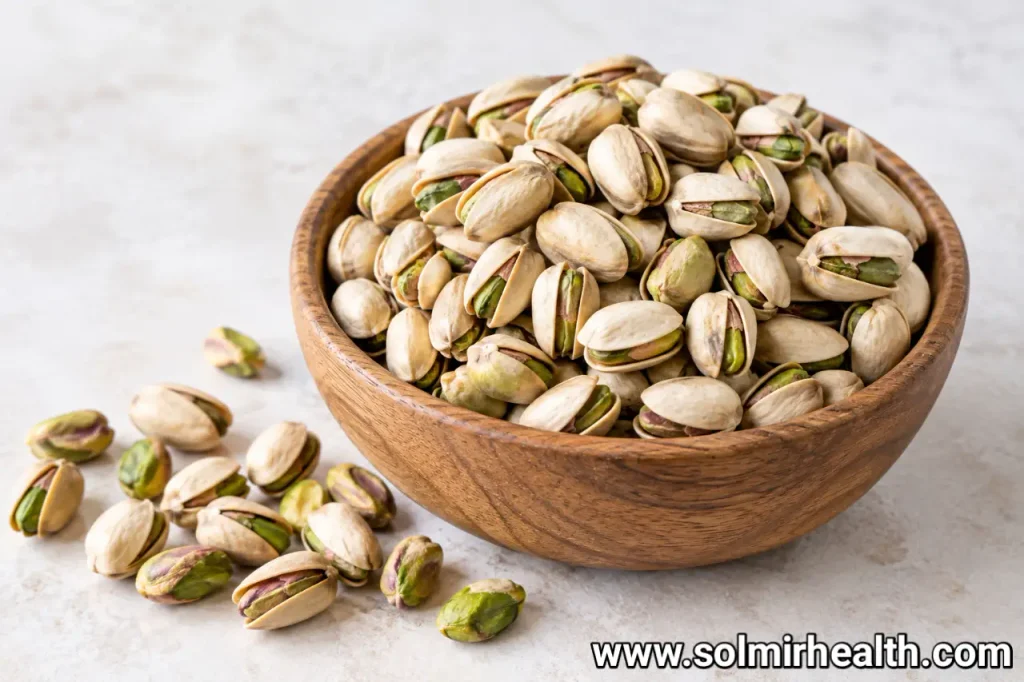
Pistachios offer about 6 grams of protein per ounce along with fiber and unsaturated fats. Their bright color and distinct flavor also make them a satisfying snack.
Why It Is Helpful
Pistachios combine protein with fiber and healthy fats, making them a useful choice when you want a more satisfying snack.
Easy Ways to Eat It
Snack on them shelled, chop them over roasted vegetables, or add them to a homemade trail mix with dried fruit.
25. Sunflower Seeds
Sunflower seeds provide roughly 6 grams of protein per ounce along with vitamin E and unsaturated fats. They are inexpensive, widely available, and have a mild nutty flavor that works well in both sweet and savory recipes.
Why It Is Helpful
Sunflower seeds are a budget friendly way to add plant protein and texture to meals, especially for readers who need nut free options.
Easy Ways to Eat It
Sprinkle them over salads, mix them into homemade granola bars, or snack on roasted seeds as a simple afternoon option.
26. Casein Protein
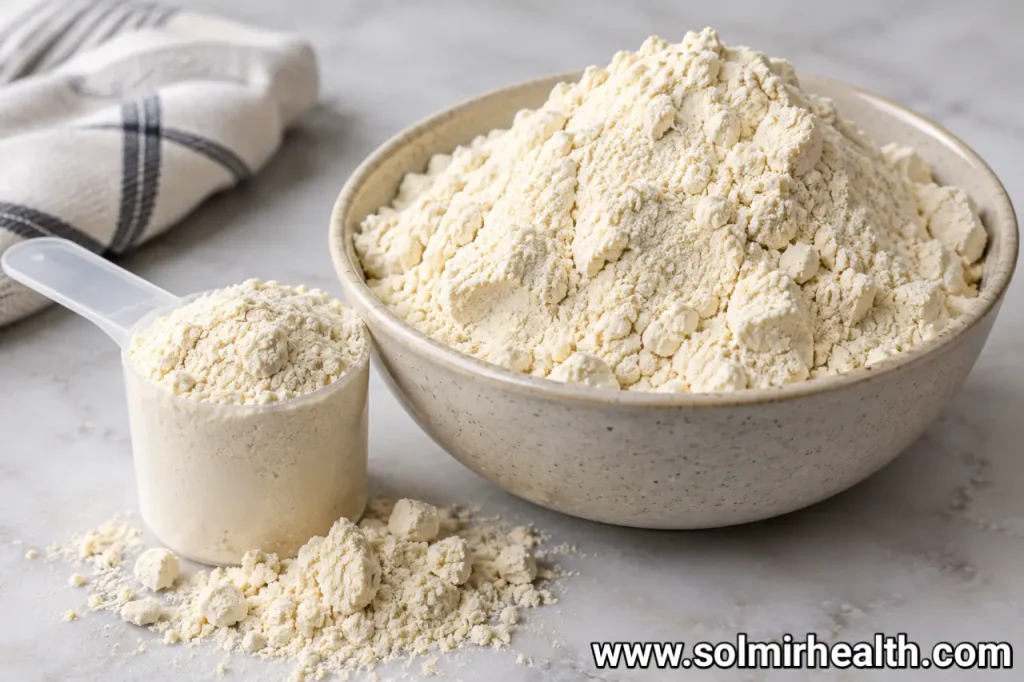
Casein protein powder is derived from milk and provides a concentrated source of protein. Many products provide around 20 to 25 grams of protein per scoop, although the exact amount varies by brand and serving size. Casein is digested more slowly than whey protein, which is one reason it is often used as part of evening snacks or shakes.
Why It Is Helpful
Casein can be a convenient option for people who want a concentrated protein source that fits easily into their daily routine.
Easy Ways to Eat It
Mix it with milk or water for a thick shake, blend it into overnight oats, or stir it into yogurt for an extra protein boost.
27. Whey Protein
Whey protein is derived from milk and provides a concentrated source of protein. Many products provide around 20 to 25 grams of protein per scoop, although the exact amount varies by brand and serving size. It is widely used after exercise because it is convenient and provides a substantial amount of protein in a small serving.
Why It Is Helpful
The concentrated nature of whey protein can make it a convenient option when a quick protein source fits better into your schedule than a full meal.
Easy Ways to Eat It
Blend it into a shake, stir it into pancake batter, or mix it into yogurt for an extra protein boost.
28. Milk
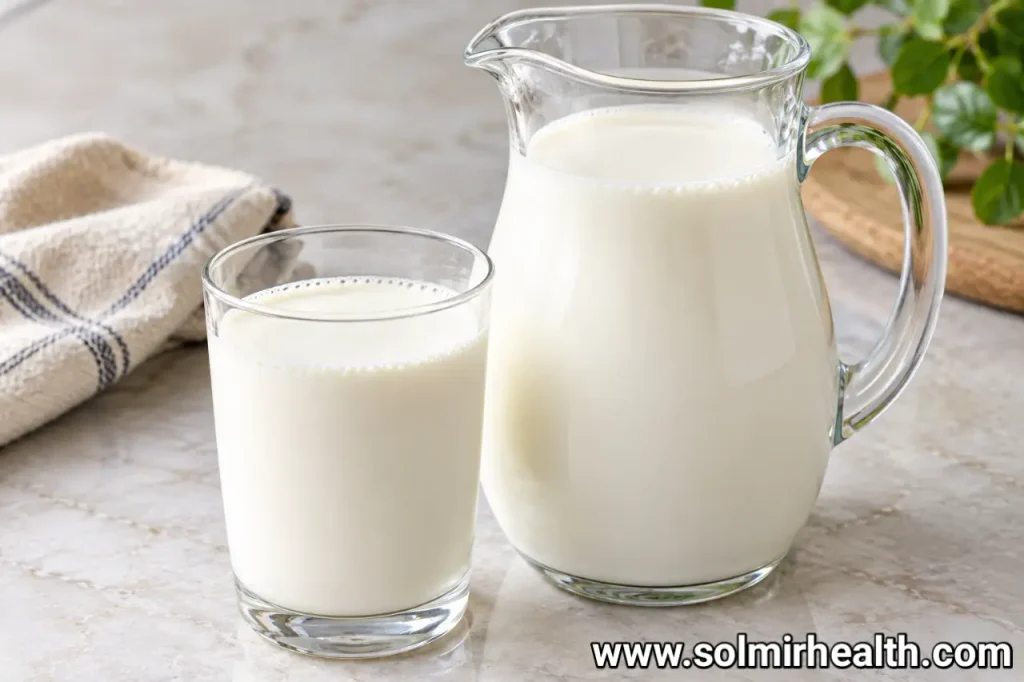
Milk rounds out this list with about 8 grams of protein per cup, along with calcium and vitamin D when fortified. It naturally contains both whey and casein proteins, making it an easy everyday way to add protein to meals and drinks.
Why It Is Helpful
Milk provides protein along with several important nutrients, making it a practical addition to a balanced diet.
Easy Ways to Eat It
Pour it over cereal or oatmeal, blend it into smoothies, or use it as the base for a homemade latte or hot cocoa.
Final Thoughts
Meeting your protein needs does not require eating the same five foods on repeat. Between lean meats, seafood, eggs, dairy, legumes, whole grains, nuts, and seeds, there is enough variety here to build meals that fit your taste, budget, and schedule.
Keep a few favorites from each category stocked, and mixing and matching becomes second nature rather than something you have to plan around. The best high protein foods are the ones you enjoy, can afford, and can realistically include as part of your regular eating pattern.