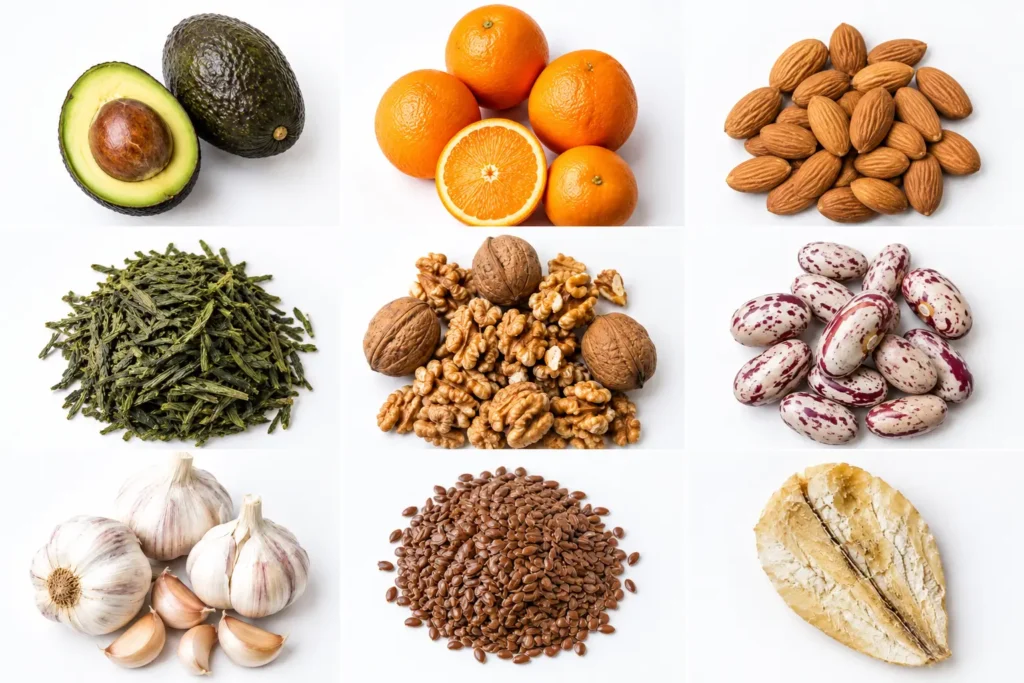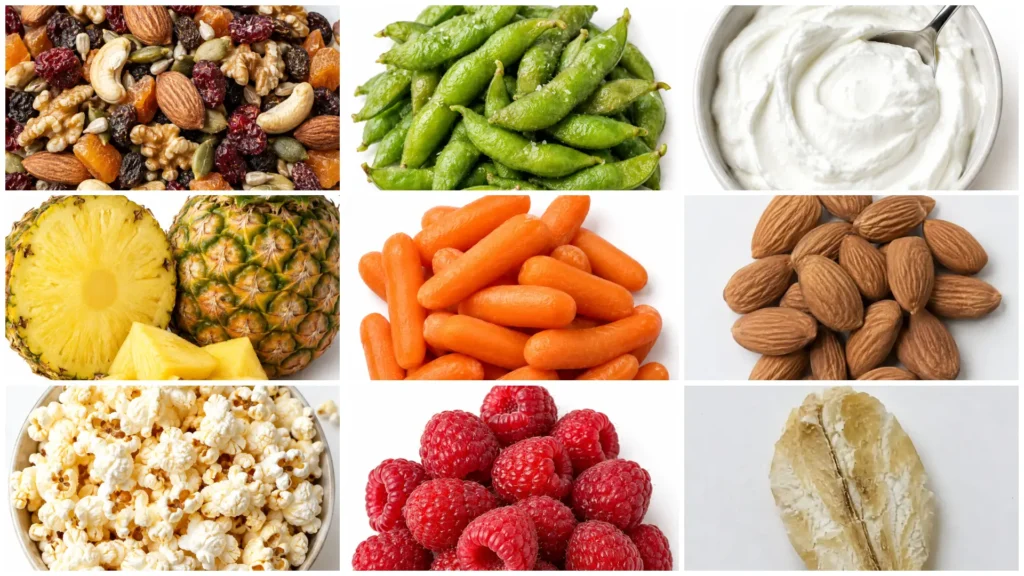
Metabolism is often talked about like it is a switch you can flip, but in reality it is shaped by dozens of everyday factors, including what you eat, how you move, how much muscle you carry, and how well you sleep. While no single food dramatically transforms your metabolic rate, certain foods contain nutrients and compounds that research has linked to modest effects on energy use, digestion, and blood sugar balance. Building a diet around these foods is a reasonable way to support your body’s natural processes rather than chase a quick fix. So here we go natural foods that boost metabolism i think the best everyday choice for you.

What You Will Find in This List
Below are 20 everyday foods, many of which you will recognize from your own kitchen, that can be part of a balanced eating pattern that supports normal metabolic function. For each one, you will find a plain language explanation of why it is included, along with simple and realistic ways to add it to your routine.
Table of Contents
01. Green Tea

Green tea contains catechins, a group of plant compounds, along with a modest amount of caffeine. Some research suggests this combination may have a small effect on energy expenditure, although the overall effect appears modest and research results are not completely consistent. It is also naturally low in calories, which makes it an easy swap for sweetened beverages.
Why It Is Helpful
The catechins and caffeine in green tea may have a modest effect on energy expenditure, while the drink itself contributes very few calories when enjoyed without added sugar.
Easy Ways to Drink It
Brew a cup in the morning instead of a sweetened coffee drink, sip it iced in the afternoon, or use matcha powder in a lightly sweetened smoothie.
02. Chili Peppers

Chili peppers get their heat from capsaicin, a compound that has been studied for its potential effects on energy expenditure and thermogenesis. The effect tends to be small, but chili peppers also add flavor and depth to dishes without relying on extra salt, sugar, or fat.
Why It Is Helpful
Capsaicin may produce a brief and mild thermogenic effect, meaning it can slightly increase the amount of energy your body uses after consumption. Research suggests that this effect is modest rather than dramatic.
Easy Ways to Eat It
Add fresh or dried chili to stir fries, mix red pepper flakes into scrambled eggs, or stir a spoonful of hot sauce into soups and marinades.
03. Ginger
Ginger has a long history in traditional cooking and is commonly used to support comfortable digestion. Some research has also explored ginger for its potential effects on thermogenesis and energy use, although these effects are not strong enough to consider ginger a metabolism treatment.
Why It Is Helpful
Ginger can add flavor to meals while being part of a varied diet that supports normal digestion and overall health.
Easy Ways to Eat It
Grate fresh ginger into stir fries and marinades, steep sliced ginger in hot water for tea, or add a small amount to smoothies for a warm and spicy note.
04. Eggs

Eggs are a high quality protein source, and protein in general requires more energy to digest than fat or carbohydrates. This effect is known as the thermic effect of food. A couple of eggs can also make a satisfying breakfast that helps create a more balanced meal.
Why It Is Helpful
Protein rich foods such as eggs have a higher thermic effect than foods that are mainly fat, meaning the body uses more energy to digest and process them.
Easy Ways to Eat It
Scramble a couple with vegetables for breakfast, hard boil a batch for snacks, or add sliced hard boiled eggs to a lunchtime salad.
05. Coffee
Coffee’s caffeine content is one of the most studied dietary compounds when it comes to short term effects on energy use. Caffeine can temporarily increase alertness and may have a small effect on energy expenditure, although tolerance can develop with regular use.
Why It Is Helpful
Caffeine may temporarily increase energy expenditure and support alertness, making coffee a reasonable choice for readers who already enjoy it in moderation.
Easy Ways to Drink It
Enjoy a cup black or with a splash of milk in the morning, use brewed coffee as a base for a protein smoothie, or try it iced in warmer months.
06. Lean Turkey
Lean turkey breast is a low fat, high protein option that benefits from the thermic effect of protein. Because it provides substantial protein in a relatively moderate calorie package, it can be a practical choice for readers building balanced meals.
Why It Is Helpful
The protein in lean turkey requires more energy to digest than foods that contain less protein. Adequate protein intake also supports the maintenance of muscle, which contributes to daily energy needs.
Easy Ways to Eat It
Slice roasted turkey breast for sandwiches, use ground turkey in place of beef in chili, or add diced turkey to a grain bowl.
07. Greek Yogurt
Greek yogurt combines protein with live cultures in some varieties. Research into the gut microbiome and metabolic health is still developing, but yogurt can be a nutritious way to add protein and other nutrients to your diet.
Why It Is Helpful
Its protein content contributes to the thermic effect of food, while yogurt with live cultures can also be part of a balanced eating pattern that supports digestive health.
Easy Ways to Eat It
Top it with berries and a few chopped nuts, use it in place of sour cream, or blend it into a savory or sweet smoothie.
08. Almonds
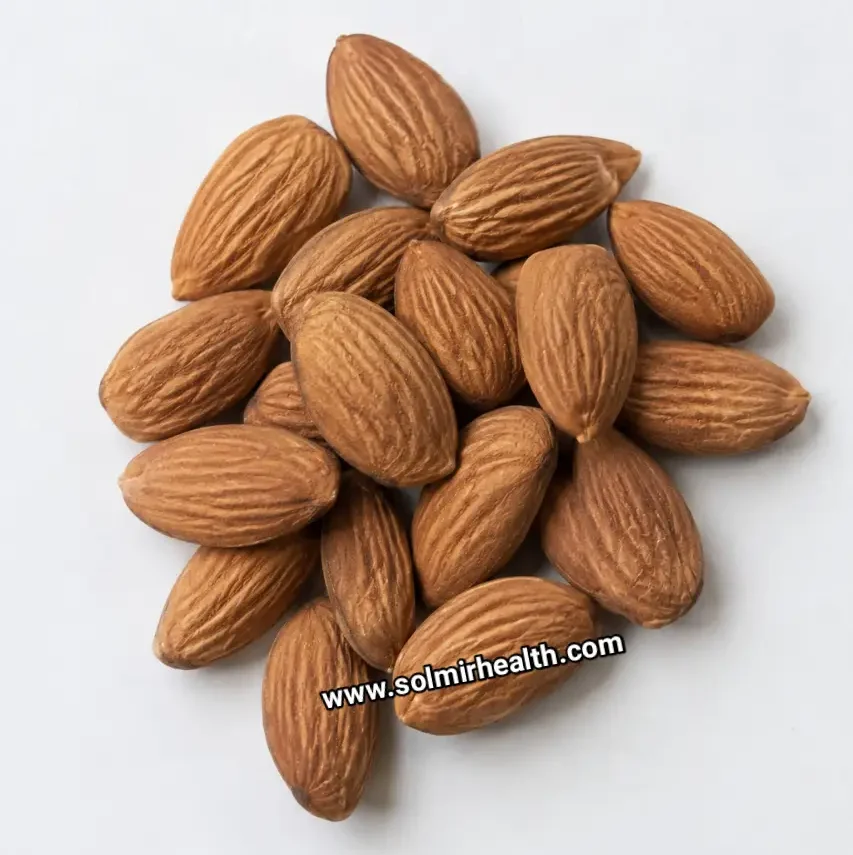
Almonds provide a combination of protein, fiber, and healthy fats, along with magnesium, a mineral involved in many processes in the body, including normal energy metabolism. Their satisfying crunch and portability also make them an easy snack that does not require preparation.
Why It Is Helpful
Magnesium plays a role in normal energy metabolism, and almonds are one accessible everyday source of this mineral. Their combination of protein, fiber, and fat can also make them a satisfying addition to meals and snacks.
Easy Ways to Eat It
Keep a small portion on hand for snacking, chop them over oatmeal or yogurt, or use almond butter as a spread on whole grain toast.
09. Spinach
Spinach is a good source of iron, a mineral that is essential for carrying oxygen through the blood. Iron also plays a role in normal energy production. Including iron rich foods as part of a balanced diet can help support normal body functions.
Why It Is Helpful
Iron is involved in oxygen transport and cellular energy production, making leafy greens like spinach a useful everyday addition to a varied diet.
Easy Ways to Eat It
Toss fresh spinach into a smoothie, saute it as a quick side dish, or layer it into sandwiches and wraps.
10. Salmon
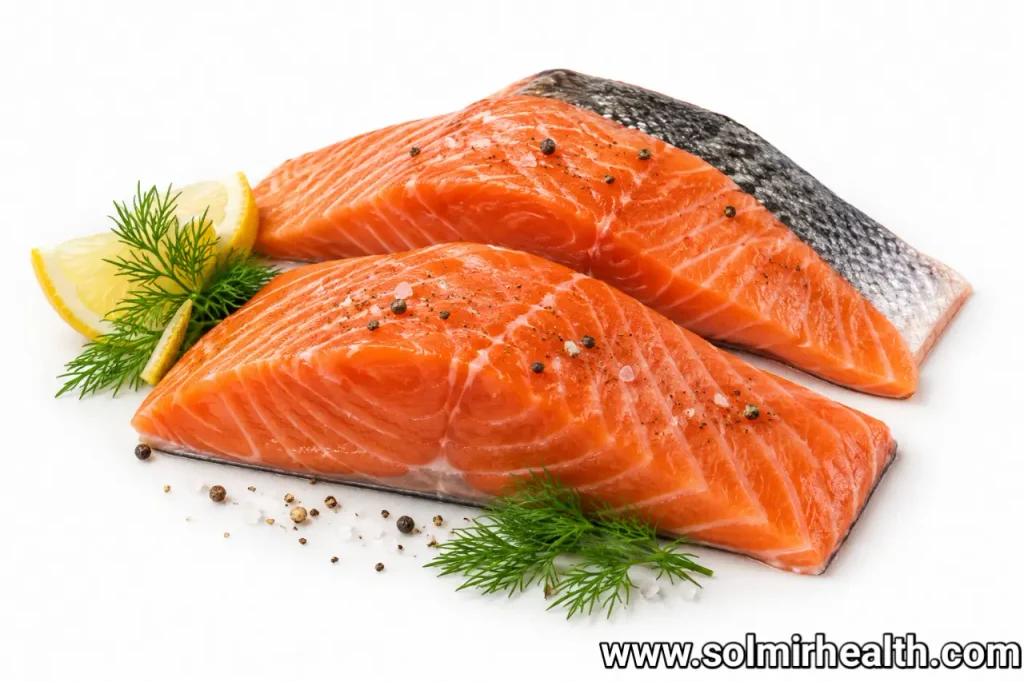
Salmon delivers a strong combination of protein and omega 3 fatty acids, both of which contribute to a nutritious eating pattern. Its protein content also contributes to the thermic effect of food, while its natural fat content can make meals more satisfying.
Why It Is Helpful
The combination of protein and omega 3 fatty acids makes salmon a nutrient dense choice that can support overall metabolic and cardiovascular health as part of a balanced diet.
Easy Ways to Eat It
Bake a fillet with lemon and herbs, flake leftovers into a salad, or use canned salmon for a quick weeknight meal.
11. Coconut Oil
Coconut oil contains medium chain triglycerides, a type of fat that the body processes differently from many other dietary fats. Some research suggests that medium chain triglycerides may have a greater effect on energy expenditure than other fats, but the overall effect is modest. Coconut oil is also high in saturated fat, so it is best used in moderation.
Why It Is Helpful
The way medium chain triglycerides are processed in the body is one reason they are discussed in relation to energy metabolism. However, coconut oil should not be viewed as a special metabolism boosting food.
Easy Ways to Use It
Use a small amount for sauteing vegetables, stir a spoonful into oatmeal, or use it occasionally in place of butter in baked goods.
12. Berries
Berries like blueberries, raspberries, and strawberries are rich in fiber and plant compounds while being relatively low in calories. Their fiber content supports normal digestion and can help meals and snacks feel more satisfying.
Why It Is Helpful
The fiber in berries supports normal digestion and can help slow the absorption of carbohydrates when berries are eaten as part of a meal or snack.
Easy Ways to Eat Them
Add a handful to yogurt or oatmeal, blend them into a smoothie, or eat them on their own as a naturally sweet snack.
13. Oats

Oats are a source of soluble fiber, which can slow digestion and help create a steadier rise in blood sugar compared with some more refined carbohydrate choices. Their mild flavor and simple preparation make them an easy breakfast staple.
Why It Is Helpful
The soluble fiber in oats supports normal digestion and can help make breakfast more filling, especially when oats are paired with protein rich foods such as yogurt, milk, nuts, or seeds.
Easy Ways to Eat Them
Cook them into a warm bowl topped with fruit and nuts, use rolled oats in homemade granola, or blend them into pancake batter.
14. Avocado
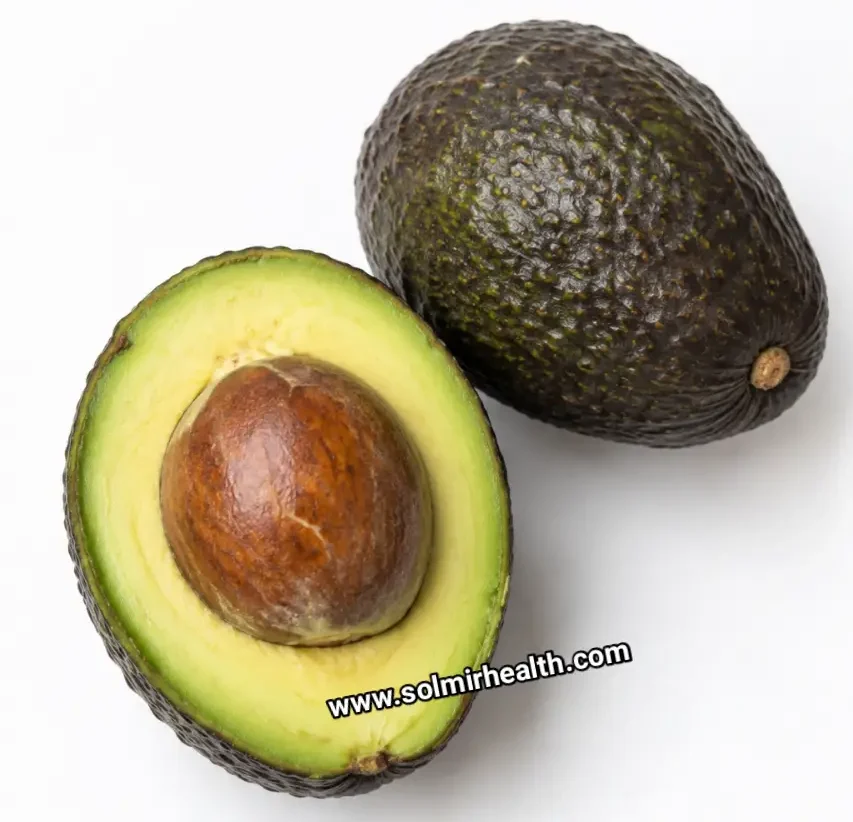
Avocados provide monounsaturated fat, along with fiber and several vitamins and minerals. Their fiber and fat content can help make meals more satisfying, while their nutrients contribute to an overall balanced diet.
Why It Is Helpful
Healthy fats and fiber in avocado can support a satisfying eating pattern. Avocados are also a nutrient dense food that can easily be included in balanced meals.
Easy Ways to Eat It
Mash it onto whole grain toast, slice it into salads, or blend it into a smoothie for a creamy texture.
15. Pumpkin Seeds
Pumpkin seeds are a good source of magnesium, along with zinc and protein. Magnesium is involved in numerous processes throughout the body, including normal energy metabolism. Their crunchy texture makes them an easy addition to both sweet and savory dishes.
Why It Is Helpful
Magnesium and zinc both play supporting roles in normal metabolic processes, making pumpkin seeds a useful nutrient rich addition to a balanced diet.
Easy Ways to Eat Them
Sprinkle roasted pepitas over salads or soups, mix them into trail mix, or snack on them lightly salted.
16. Dark Chocolate
Dark chocolate, particularly varieties with a high cocoa content, contains flavanols and other plant compounds that have been studied for their potential effects on cardiovascular and metabolic health. Because dark chocolate is still calorie dense, it is best enjoyed in modest portions.
Why It Is Helpful
Cocoa flavanols have been studied for their potential effects on blood vessel function and other aspects of metabolic health. Dark chocolate can therefore be included as an occasional nutrient rich treat rather than treated as a metabolism booster.
Easy Ways to Eat It
Enjoy a small square after a meal, shave a bit over Greek yogurt, or melt a small amount to drizzle over berries.
17. Water With Lemon
Staying adequately hydrated is an important part of supporting normal body function. Water is involved in many processes throughout the body, including those related to digestion and energy metabolism. A splash of lemon adds flavor and a small amount of vitamin C, which can make water more appealing to drink regularly.
Why It Is Helpful
Proper hydration supports the many processes your body relies on throughout the day. Lemon itself does not significantly increase metabolism, but it can make plain water more enjoyable.
Easy Ways to Drink It
Start your morning with a glass of water and fresh lemon juice, keep a pitcher of lemon water in the fridge, or add lemon slices to sparkling water as an afternoon refresher.
18. Broccoli
Broccoli is high in fiber while being relatively low in calories, which makes it a practical way to add volume and nutrients to meals. It also provides vitamin C and a range of other nutrients that support overall health.
Why It Is Helpful
The fiber in broccoli supports normal digestion and can help meals feel more filling, making it a useful part of balanced eating patterns.
Easy Ways to Eat It
Roast it with olive oil and garlic, steam it as a simple side, or chop it into a stir fry with lean protein.
19. Cinnamon
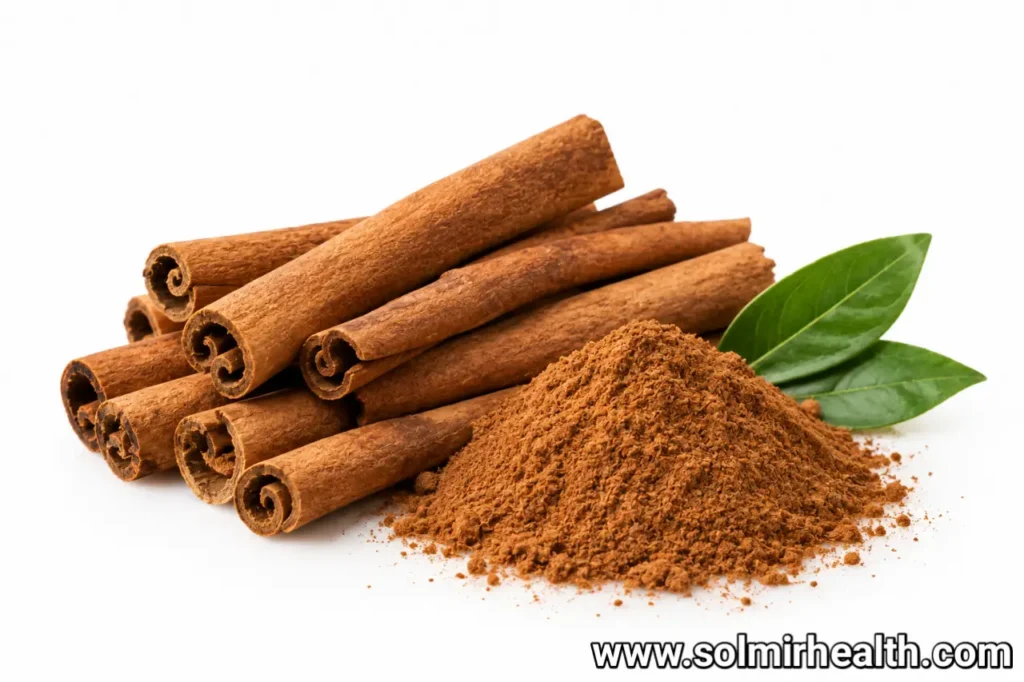
Cinnamon has been studied for its potential effects on blood sugar regulation, although research results are mixed and the evidence does not establish cinnamon as a direct metabolism booster. It is still a simple way to add warmth and flavor to dishes without added sugar.
Why It Is Helpful
Cinnamon can add flavor without extra sugar, while some research suggests it may have modest effects on blood glucose measures. It should be viewed as a flavorful addition to a balanced diet rather than a treatment for blood sugar problems.
Easy Ways to Eat It
Stir it into oatmeal or yogurt, sprinkle it over roasted sweet potatoes, or add it to coffee for a warm and spiced flavor.
20. Apple Cider Vinegar

Apple cider vinegar has become a popular addition to wellness routines, and some research suggests that vinegar may have a modest effect on blood sugar and insulin responses after meals. Evidence specifically linking apple cider vinegar to a faster metabolism is limited, so it is best thought of as an optional food ingredient rather than a metabolism solution.
Why It Is Helpful
Its potential effect on blood sugar response is more studied than any direct effect on metabolic rate. Used as part of meals, vinegar can add acidity and flavor without many calories.
Easy Ways to Use It
Whisk a small amount into a homemade salad dressing, use it to add brightness to marinades, or include it in recipes where vinegar is already appropriate.
Final Thoughts
None of these foods work in isolation, and none of them replace the basics of consistent movement, adequate sleep, balanced meals, and an overall nutritious eating pattern. What they offer instead is a realistic food first way to support the processes your body is already running every day.
Protein rich foods, fiber rich produce, whole foods, and beverages such as unsweetened green tea or coffee can all have a place in a balanced routine. Rotating a handful of these foods into your regular meals is a small and sustainable habit rather than a dramatic overhaul, and that is usually what makes healthy habits easier to maintain.