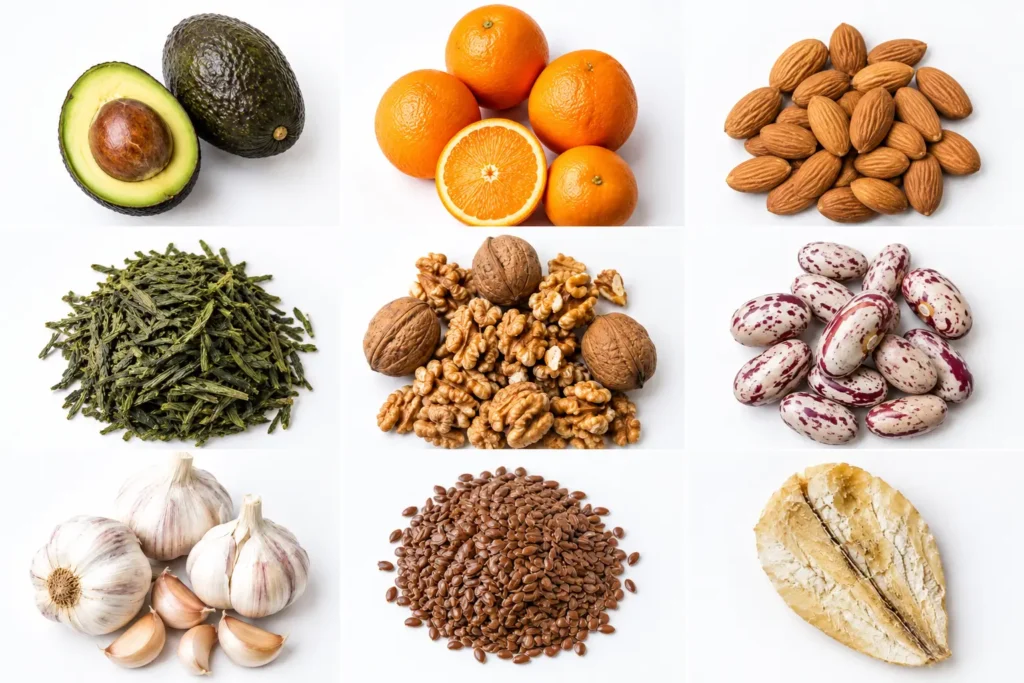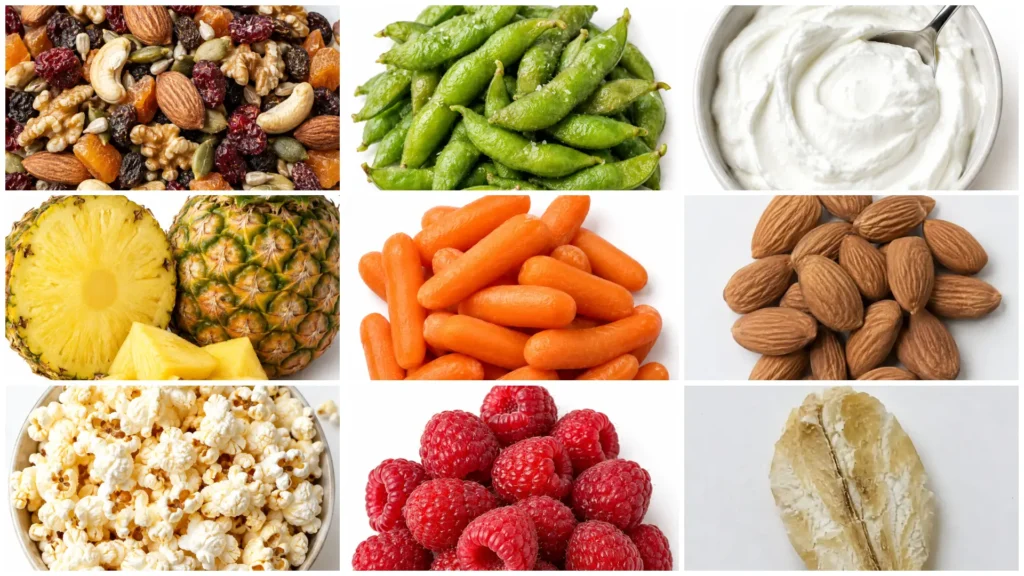
Good skin is not just about what you put on your face. What ends up on your plate can play a supporting role too. The right nutrients can support collagen production, help maintain normal skin function, and provide antioxidants that help protect cells from everyday oxidative stress. This list rounds up twenty five accessible foods that are commonly included in healthy eating patterns that support skin health, along with practical ways to work them into your regular meals.
What You Will Find in This List
Below are twenty five foods, spanning healthy fats, colorful produce, seeds, and a few pantry staples, each paired with a clear explanation of why it can be helpful for a balanced diet and simple ideas for eating it. No single food is a shortcut to glowing skin, but a diet built around these kinds of choices, alongside good hydration, adequate sleep, and sun protection, can support overall skin health over time.So here we go for best foods for glowing skin.
Table of Contents
01. Wild Salmon
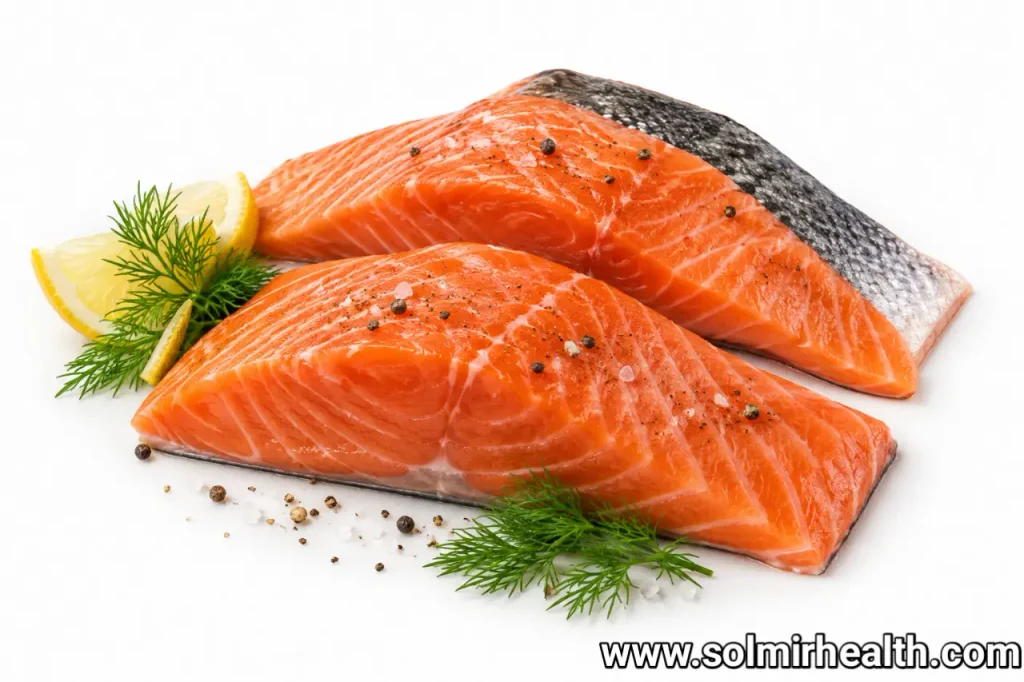
Wild salmon is one of the most frequently recommended foods for skin health because of its fat content, which is different from most other proteins on a typical dinner plate.
Why It Is Helpful
Salmon is rich in omega 3 fatty acids, which are important components of cell membranes, including skin cells. Including omega 3 rich foods as part of a balanced diet may help support normal skin barrier function and overall skin health.
Easy Ways to Eat It
Bake a simple fillet with lemon and herbs, flake leftover salmon over a salad, or use canned wild salmon in a quick salmon cake for a faster weeknight option.
02. Blueberries
Blueberries are small but concentrated with plant compounds called anthocyanins, which give them their deep blue purple color and have made them a popular choice among antioxidant rich fruits.
Why It Is Helpful
Anthocyanins and other antioxidants in blueberries contribute to the body’s overall intake of protective plant compounds and may help the body manage oxidative stress.
Easy Ways to Eat It
Add a handful to morning oatmeal or yogurt, blend them into smoothies, or keep a bag of frozen blueberries on hand for an easy, no prep snack.
03. Avocado
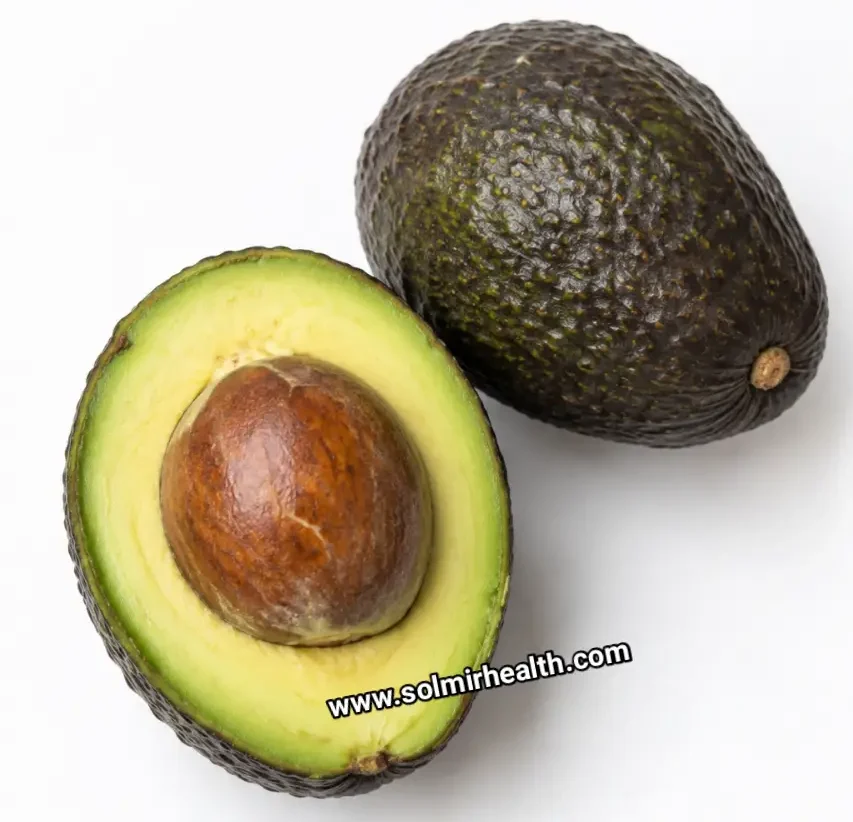
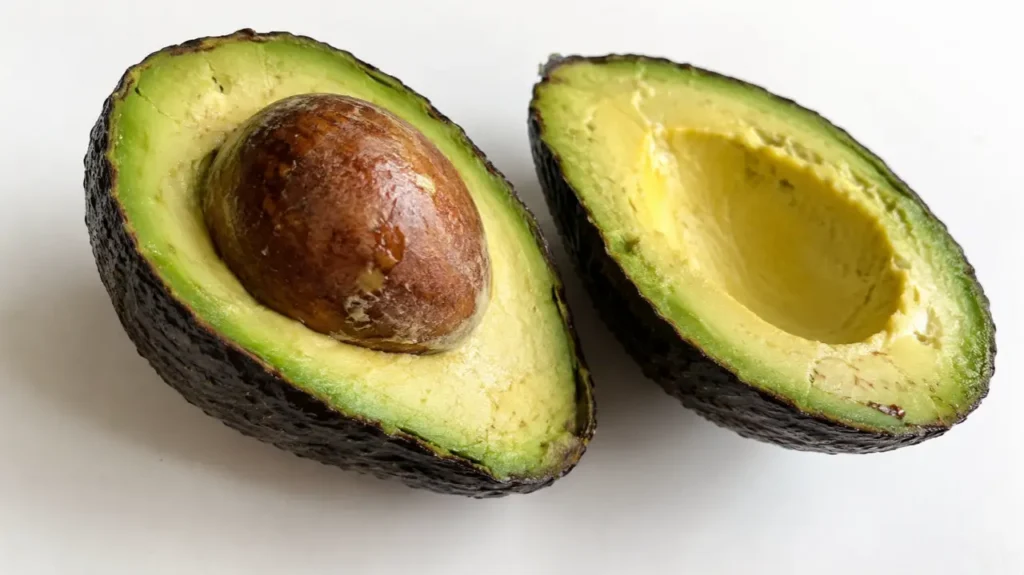
Avocado’s creamy texture comes from its healthy fat content, which is part of why it has become such a popular addition to balanced eating patterns.
Why It Is Helpful
Avocado provides monounsaturated fat and vitamin E, nutrients that contribute to a balanced diet and support normal body functions, including those involved in maintaining healthy skin.
Easy Ways to Eat It
Mash it onto whole grain toast, slice it into salads, or blend half an avocado into a smoothie for extra creaminess without adding dairy.
04. Sweet Potatoes
Sweet potatoes stand out for their deep orange color, which comes from beta carotene, a plant compound the body can convert into vitamin A as needed.
Why It Is Helpful
Vitamin A plays a role in normal skin function and cell development. Beta carotene rich foods like sweet potatoes are a nutritious way to include this important nutrient in a balanced diet.
Easy Ways to Eat It
Roast sweet potato wedges with olive oil, mash them as a simple side, or dice and add them to grain bowls and soups for natural sweetness.
05. Walnuts
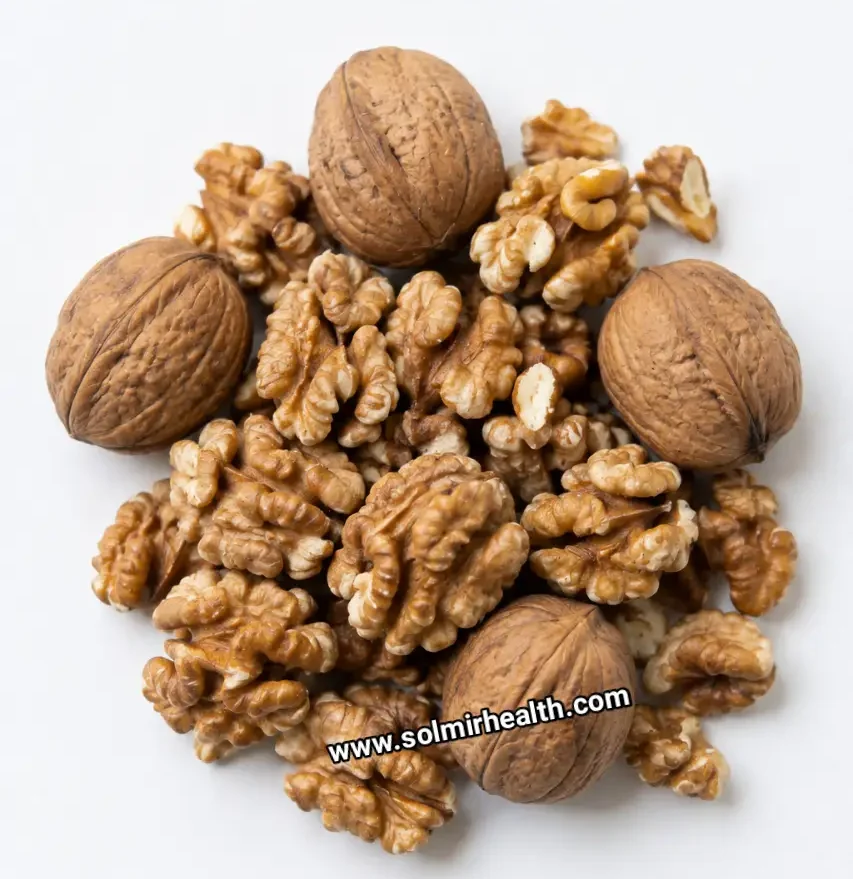
Walnuts are one of the few nuts that provide a meaningful amount of omega 3 fatty acids along with vitamin E, making them a useful pick for nutrient rich snacking.
Why It Is Helpful
Vitamin E functions as an antioxidant, while the healthy fats in walnuts contribute to overall dietary fat intake and support normal cell function.
Easy Ways to Eat It
Keep a small handful on hand for snacking, sprinkle chopped walnuts over oatmeal or salads, or add them to homemade trail mix.
06. Chia Seeds
Chia seeds absorb liquid and form a gel like texture, which makes them a convenient addition to meals and snacks.
Why It Is Helpful
Chia seeds provide fiber and plant based omega 3 fat, both of which contribute to an overall nutritious eating pattern. Their ability to absorb liquid also makes them useful in foods such as overnight chia pudding.
Easy Ways to Eat It
Stir chia seeds into yogurt or oatmeal, make an overnight chia pudding with milk and fruit, or sprinkle them over smoothie bowls for texture.
07. Spinach
Spinach is a nutrient dense leafy green that fits easily into almost any meal without dramatically changing the flavor, making it one of the more practical entries on this list.
Why It Is Helpful
Spinach provides vitamin A, vitamin C, and iron. These nutrients support normal body functions, including healthy skin function and oxygen transport.
Easy Ways to Eat It
Add raw spinach to sandwiches and salads, blend a handful into a smoothie, or sauté it quickly with garlic as a simple side dish.
08. Cucumber
Cucumbers are made up mostly of water, which makes them a light and refreshing food to include in meals and snacks alongside drinking enough fluids throughout the day.
Why It Is Helpful
While cucumber is not a major source of many nutrients, its high water content and small amount of vitamin C make it a sensible addition to a balanced diet.
Easy Ways to Eat It
Slice cucumber into salads, add it to infused water, or enjoy cucumber spears with hummus as a light, crunchy snack.
09. Red Bell Peppers
Red bell peppers are an excellent common vegetable source of vitamin C and provide a colorful way to add more produce to your meals.
Why It Is Helpful
Vitamin C is required for collagen production and also functions as an antioxidant in the body. Including vitamin C rich foods such as red bell peppers can help you meet your daily nutrient needs.
Easy Ways to Eat It
Slice raw bell pepper for snacking with dip, roast strips alongside other vegetables, or toss them into stir fries and fajitas for color and crunch.
10. Green Tea
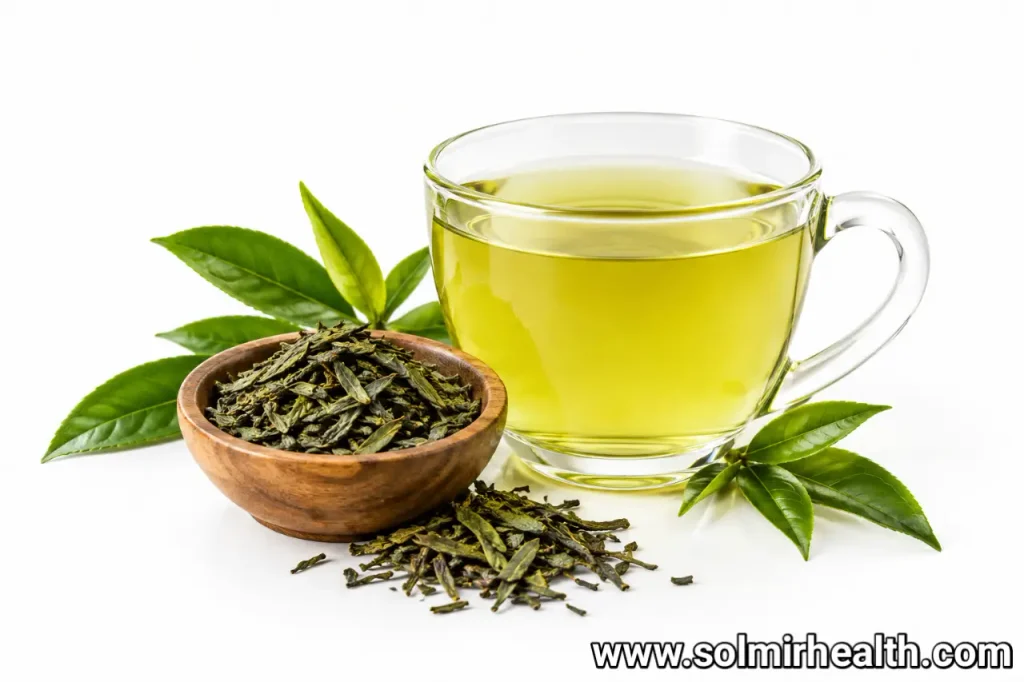
Green tea offers a way to add plant compounds called catechins to your routine without added sugar, assuming it is brewed plain rather than heavily sweetened.
Why It Is Helpful
Catechins are antioxidant compounds that have been studied for their potential effects on skin and overall health. Green tea can be a simple way to add more plant compounds to your daily routine, although it should not be considered a replacement for sun protection.
Easy Ways to Drink It
Swap an afternoon sugary drink for a cup of green tea, enjoy it iced in warmer months, or brew a larger batch to keep chilled in the fridge.
11. Pomegranate
Pomegranate seeds, called arils, are packed with plant compounds and have a naturally tart sweet flavor that makes them easy to add to both sweet and savory dishes.
Why It Is Helpful
Pomegranates contain polyphenols, a type of plant compound with antioxidant properties. Including a variety of fruits in your diet can help increase your intake of these beneficial compounds.
Easy Ways to Eat It
Sprinkle arils over salads or yogurt, blend pomegranate juice into smoothies, or simply eat a handful of the seeds as a snack.
12. Almonds
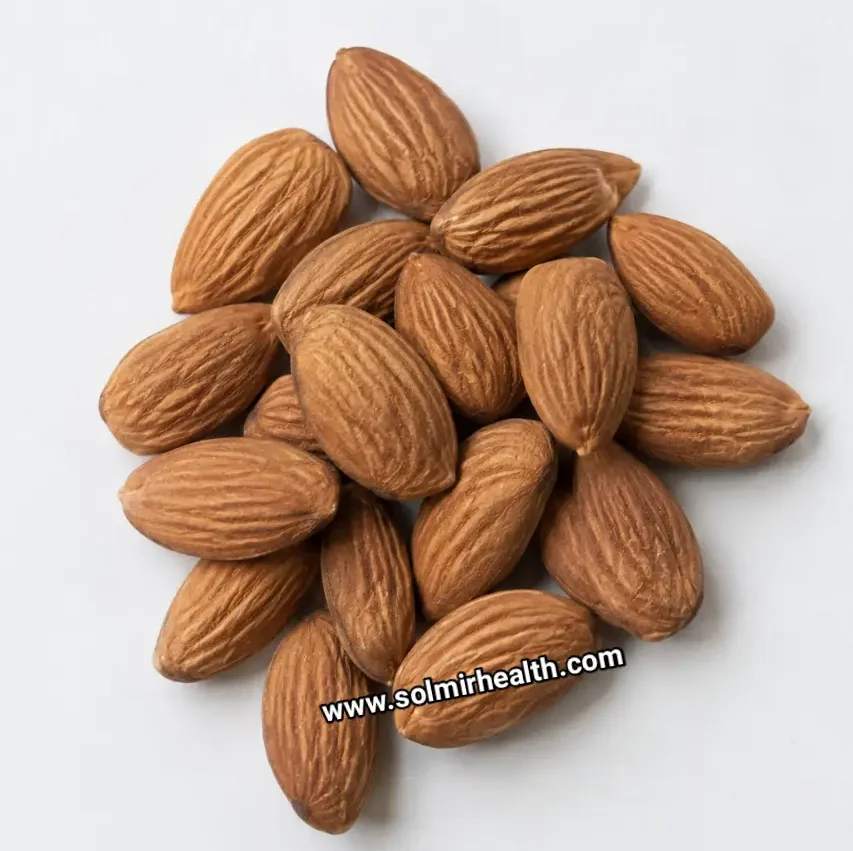
Almonds are a convenient, portable source of vitamin E and healthy fat, making them one of the easier foods on this list to include regularly.
Why It Is Helpful
Vitamin E functions as an antioxidant, while the healthy fats in almonds contribute to a balanced diet and normal cell function.
Easy Ways to Eat It
Keep raw or dry roasted almonds on hand for snacking, use almond butter on fruit, or sprinkle sliced almonds over oatmeal or salads.
13. Pumpkin Seeds
Pumpkin seeds, also called pepitas, are a good source of zinc, a mineral that plays several important roles in the body and is important for normal skin function.
Why It Is Helpful
Zinc is involved in normal cell growth, tissue maintenance, and wound healing. Including zinc rich foods such as pumpkin seeds can help support adequate zinc intake.
Easy Ways to Eat It
Sprinkle raw or roasted pumpkin seeds over salads and soups, add them to homemade granola, or eat a small handful as a snack on their own.
14. Tomatoes
Tomatoes get their red color from lycopene, a plant pigment that can become more available to the body when tomatoes are cooked.
Why It Is Helpful
Lycopene is an antioxidant compound that has been studied for its potential role in protecting cells from oxidative stress. Tomatoes are also an easy way to add more vegetables and plant compounds to your diet.
Easy Ways to Eat It
Simmer tomatoes into a homemade sauce, roast cherry tomatoes with olive oil, or add fresh slices to sandwiches and salads.
15. Oranges
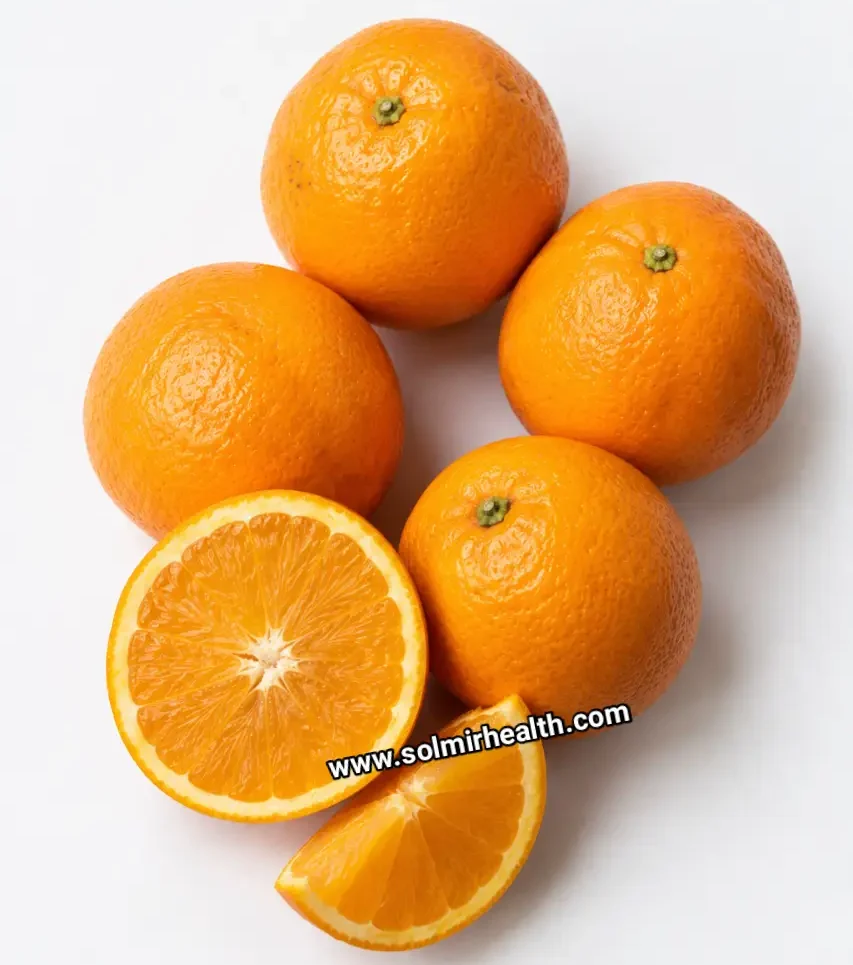
Oranges are a familiar source of vitamin C, and eating the whole fruit rather than just juice provides fiber along with the fruit’s natural nutrients.
Why It Is Helpful
Vitamin C is required for collagen production and also functions as an antioxidant. Including oranges and other vitamin C rich foods can help support normal collagen formation.
Easy Ways to Eat It
Eat oranges whole as a snack, segment them into salads, or slice them alongside other fruit for an easy breakfast side.
16. Carrots
Carrots are an inexpensive and easy to store source of beta carotene, the same plant compound found in sweet potatoes that the body can convert into vitamin A.
Why It Is Helpful
Beta carotene contributes to vitamin A intake, and vitamin A plays a role in normal skin function. Carrots are an easy way to add more colorful vegetables to a balanced diet.
Easy Ways to Eat It
Snack on raw carrot sticks with hummus, roast carrots with olive oil, or shred them into salads and slaws for crunch.
17. Flaxseeds
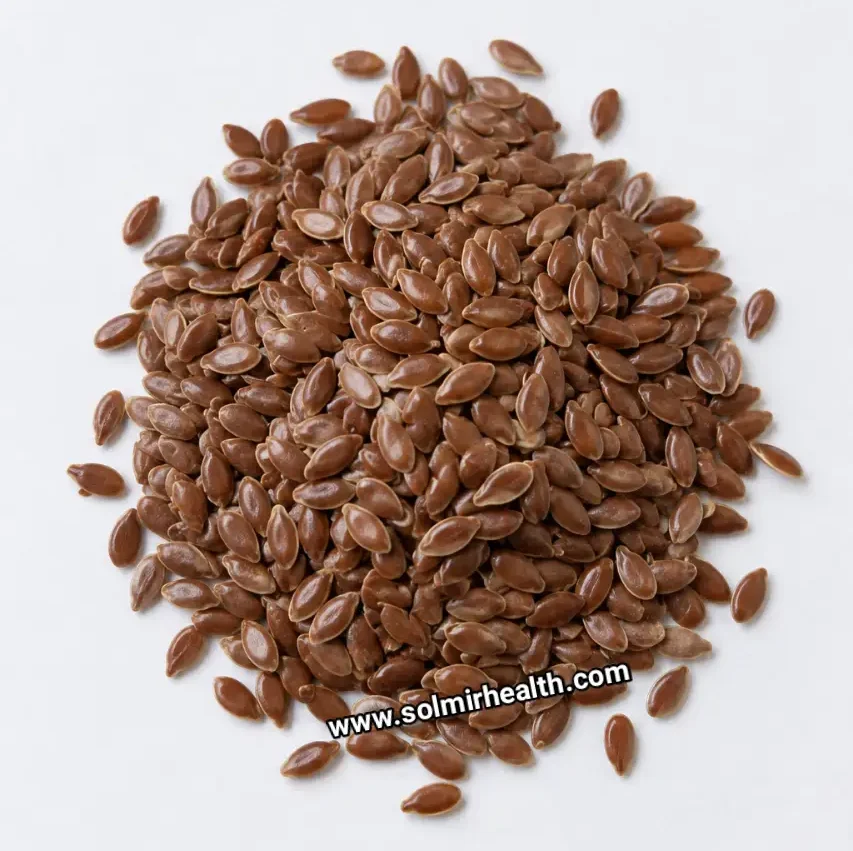
Ground flaxseed is a good source of plant based omega 3 fat and fiber, and it is easy to work into meals without changing much about how they taste.
Why It Is Helpful
The omega 3 fat in flaxseed contributes to overall dietary fat intake, while its fiber supports digestive health. Together, these nutrients make flaxseed a useful addition to a varied diet.
Easy Ways to Eat It
Stir a tablespoon of ground flaxseed into oatmeal or smoothies, or mix it into muffin and pancake batter for an easy nutritional boost.
18. Coconut
Coconut, particularly its flesh and unsweetened coconut water, can be included as part of a varied diet. Coconut flesh provides fat and fiber, while coconut water provides fluids and some electrolytes.
Why It Is Helpful
Coconut can add variety to meals and snacks, but it is best viewed as one food among many rather than a special food for skin health. A varied diet provides a broader range of nutrients that support normal body functions.
Easy Ways to Eat It
Add unsweetened shredded coconut to oatmeal or smoothie bowls, drink coconut water as a beverage, or use coconut flakes as a topping for yogurt.
19. Kiwi
Kiwi is a small fruit with a high vitamin C content, often providing more vitamin C per serving than many commonly eaten fruits, along with vitamin E.
Why It Is Helpful
Vitamin C is required for collagen production and functions as an antioxidant. Kiwi is therefore a useful fruit to include when you want to increase your intake of vitamin C and other plant nutrients.
Easy Ways to Eat It
Slice kiwi in half and eat it with a spoon, add chopped kiwi to fruit salads, or blend it into smoothies for natural sweetness.
20. Greek Yogurt

Greek yogurt provides protein along with live cultures, which are often referred to as probiotics when they contain beneficial microorganisms.
Why It Is Helpful
Protein provides amino acids that the body needs to build and maintain tissues, including skin. The live cultures found in some yogurts may also contribute to digestive health, although research into the relationship between the gut microbiome and skin health is still developing.
Easy Ways to Eat It
Top plain Greek yogurt with berries and a drizzle of honey, use it as a base for smoothies, or swap it in for sour cream in recipes.
21. Turmeric
Turmeric is a warm, earthy spice best known for curcumin, the compound responsible for its bright yellow color and much of its research interest.
Why It Is Helpful
Curcumin has antioxidant and anti inflammatory properties that have been studied in a variety of settings. However, most research does not establish turmeric as a treatment for specific skin concerns, so it is best viewed as one flavorful part of a balanced diet.
Easy Ways to Eat It
Stir turmeric into soups, rice dishes, or scrambled eggs, or whisk it into a warm milk based drink along with a pinch of black pepper.
22. Berries
Beyond blueberries, a mix of strawberries, raspberries, and blackberries brings a range of antioxidants and fiber, along with a naturally sweet way to round out meals.
Why It Is Helpful
Different berries contain different plant compounds, so eating a variety can broaden the range of nutrients and antioxidants in your diet.
Easy Ways to Eat It
Mix a variety into yogurt or oatmeal, blend a berry medley into smoothies, or keep a bowl of washed mixed berries in the fridge for easy snacking.
23. Olive Oil
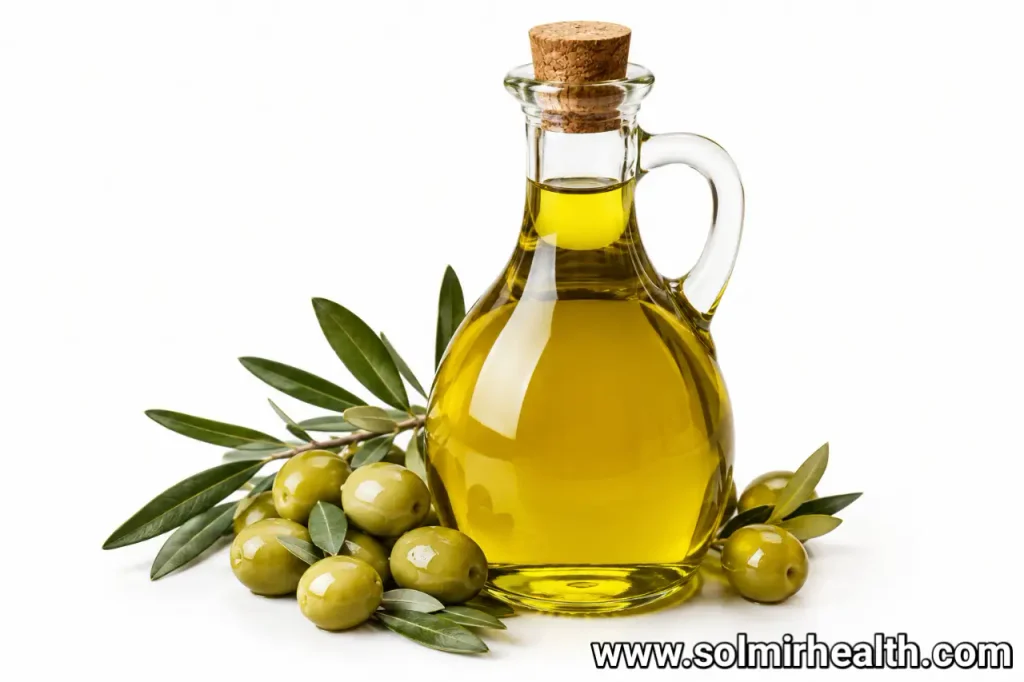
Olive oil, especially extra virgin olive oil, is a foundational fat in Mediterranean style eating patterns that are widely recognized as a healthy way to structure a balanced diet.
Why It Is Helpful
Olive oil provides monounsaturated fat and plant compounds called polyphenols. Using olive oil in place of some sources of saturated fat can be part of an overall heart healthy eating pattern that also provides nutrients associated with general skin health.
Easy Ways to Eat It
Use olive oil as your everyday cooking fat, drizzle it over roasted vegetables, or whisk it into a simple homemade vinaigrette.
24. Beets
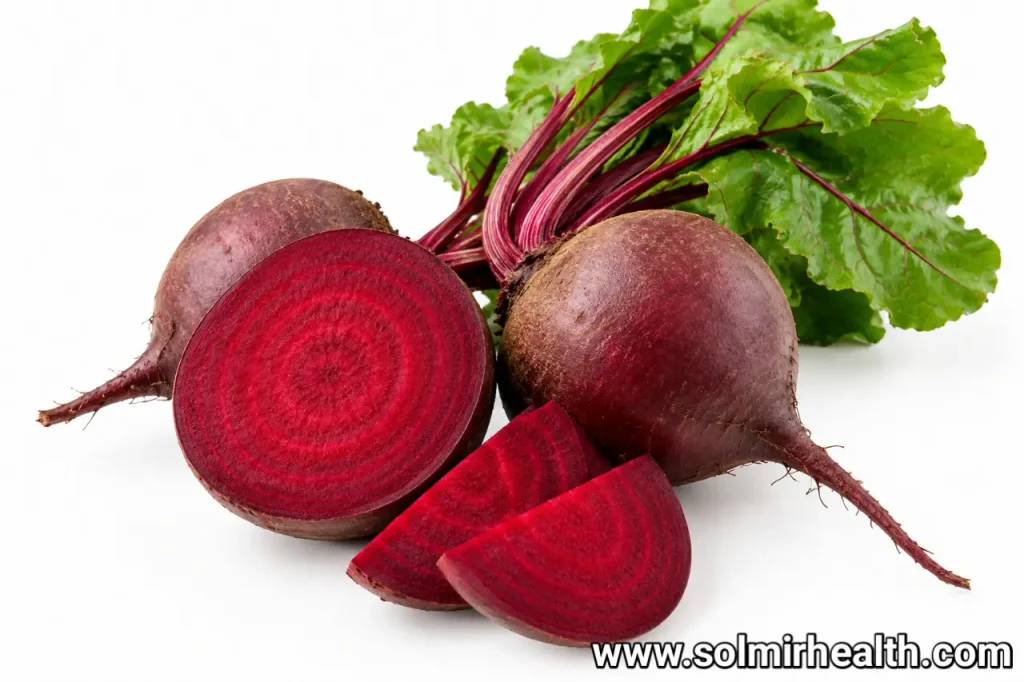
Beets bring a naturally earthy sweetness along with plant compounds called betalains, which give them their deep red purple color.
Why It Is Helpful
Betalains have antioxidant properties, and beets also provide nutrients such as folate and potassium. Including beets is a simple way to add more colorful vegetables and plant compounds to your diet.
Easy Ways to Eat It
Roast beets with olive oil and herbs, shred raw beets into salads, or blend cooked beets into smoothies for color and natural sweetness.
25. Papaya
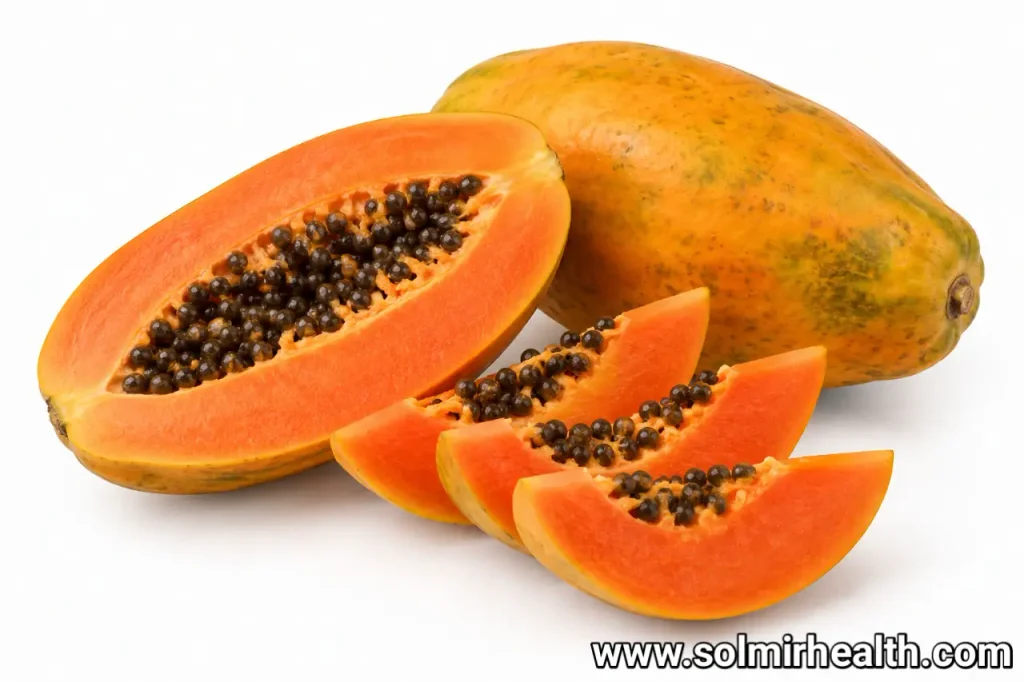
Papaya is a tropical fruit rich in vitamin C and natural enzymes, including one called papain, which is part of why it often appears in food and nutrition discussions related to skin health.
Why It Is Helpful
Vitamin C supports collagen production and functions as an antioxidant. Papaya also provides other plant compounds that contribute to a varied and nutrient rich diet.
Easy Ways to Eat It
Eat ripe papaya sliced on its own, add it to fruit salads or smoothie bowls, or squeeze fresh lime over it for a simple, refreshing snack.
Final Thoughts
Skin reflects a lot more than diet alone, but the foods you eat consistently can play a genuine supporting role. Building meals around colorful produce, healthy fats, and nutrient dense staples like these twenty five is a realistic way to support overall nutrition and healthy skin, especially when paired with adequate sleep and sensible sun protection.
No single food can guarantee glowing skin, and diet should not replace appropriate care for a specific skin condition. If you have ongoing or unusual skin concerns, talking with a dermatologist or registered dietitian can help you find an approach that fits your individual needs.