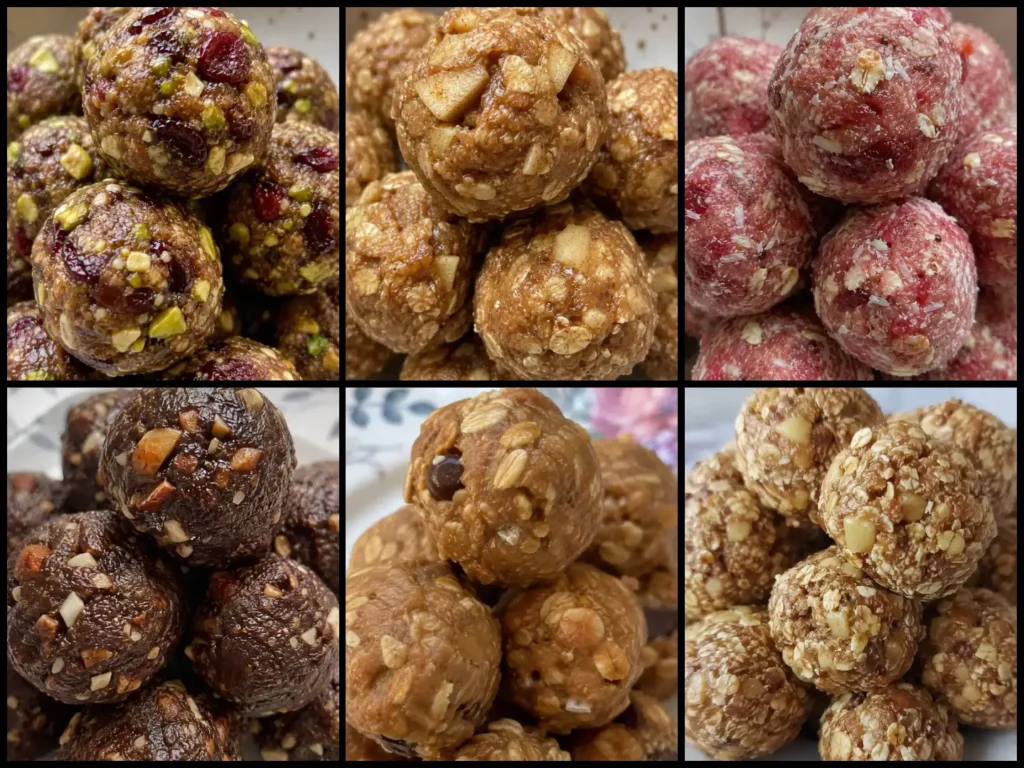
There’s a specific kind of disappointment that comes from biting into a “healthy” cookie and getting a mouthful of chalky, sawdust-textured sadness. Protein powder has a reputation for doing that to baked goods, and it’s earned. Dump too much of it into a dough with nothing to balance it, and you end up with something that’s more supplement than snack.
The fix isn’t avoiding protein powder in cookies altogether. It’s using it in the right ratio, paired with something that brings moisture back in. A ripe banana, a spoonful of nut butter, a whole egg, even grated carrot. Get that balance right and you can’t really tell you’re eating a “protein cookie” at all. You just taste a cookie.
This roundup covers ten of them, each built around a different moisture source and flavor direction, from a straightforward peanut butter chocolate chip version to a fudgy espresso chocolate one. All ten use ingredients you can pick up at a regular grocery store. No protein-baking specialty blends or hard-to-find flours. So here we go for the best and high protein cookies today.

What You’ll Get
Every recipe here makes a small batch, around 10 to 12 cookies, so you’re not stuck with three dozen cookies calling to you from the counter all week. Each one is built to hold together and taste like an actual dessert, not a workout snack you’re forcing down out of obligation.
A few use eggs and nut butter as the base, a few lean on oats and fruit for a softer, more cake-like bite, and a couple use coconut flour or almond flour for something closer to a classic cookie texture.
Whatever your pantry looks like right now, there’s a good chance at least two or three of these fit it without a grocery run.
Table of Contents
Why Protein Cookies Turn Out Dry
Protein powder behaves nothing like flour once it hits heat. Regular flour absorbs liquid gradually and gives structure without pulling too much moisture out of the final product. Protein powder, on the other hand, is extremely absorbent and sets firm fast, which is exactly why a dough that looked fine going into the oven can come out dense and dry.
The workaround used across every recipe here is simple: pair protein powder with an ingredient that’s mostly moisture and fat, not just more dry structure. Peanut butter and almond butter work because they’re roughly half fat, which keeps the crumb soft even after the protein powder sets. Mashed banana and pumpkin purée work for a similar reason, just with water content instead of fat. Eggs help bind everything together while adding a bit of richness.
None of these recipes ask you to fight the protein powder. They just give it something to hold onto.
Brand also matters more than people expect. Whey-based powders tend to bake up slightly different from plant-based or casein blends, mostly in how much liquid they soak up. If a dough looks noticeably drier or wetter than what a recipe describes, that’s almost always the protein powder, not a mistake on your part. A teaspoon of milk or an extra teaspoon of nut butter usually solves it without changing the flavor.
A Few Things That Apply to All Ten Recipes
Before jumping into the recipes themselves, a handful of details carry across the whole batch, so they’re worth mentioning once instead of repeating ten times.
- Bake at 350°F unless a recipe specifically says otherwise.
- Let cookies rest on the baking sheet for about 5 minutes before moving them. Straight out of the oven, they’re fragile enough to fall apart if you try to transfer them too soon.
- Store finished cookies in an airtight container.
- If a recipe calls for “vanilla protein powder,” a plain unflavored powder with a splash of vanilla extract works as a substitute in a pinch.
1. Peanut Butter Chocolate Chip Protein Cookies
Natural peanut butter is doing most of the work in this one. It keeps the dough soft enough that the protein powder doesn’t have a chance to dry things out, and the result is a cookie with a slightly crisp edge and a soft, chewy center, closer to a classic peanut butter cookie than most protein versions manage.

Ingredients
- 1/2 cup natural peanut butter
- 1 large egg
- 2 tablespoons honey or maple syrup
- 1/4 cup vanilla protein powder
- 2 tablespoons almond flour
- 1/4 teaspoon baking soda
- 1/4 cup dark chocolate chips
Instructions
- Preheat the oven to 350°F and line a baking sheet with parchment paper.
- Stir the peanut butter, egg, and honey together in a bowl until smooth.
- Add the protein powder, almond flour, and baking soda, mixing until a thick, slightly sticky dough forms.
- Fold in the chocolate chips.
- Scoop into 10 to 12 tablespoon-sized balls, place on the sheet, and flatten slightly with your palm or a fork, since these won’t spread much on their own.
- Bake for 9 to 10 minutes, until the edges look set but the centers still look a little soft.
- Cool on the sheet for 5 minutes before transferring.
Swap the chocolate chips for chopped peanuts if you want more crunch and less sweetness.
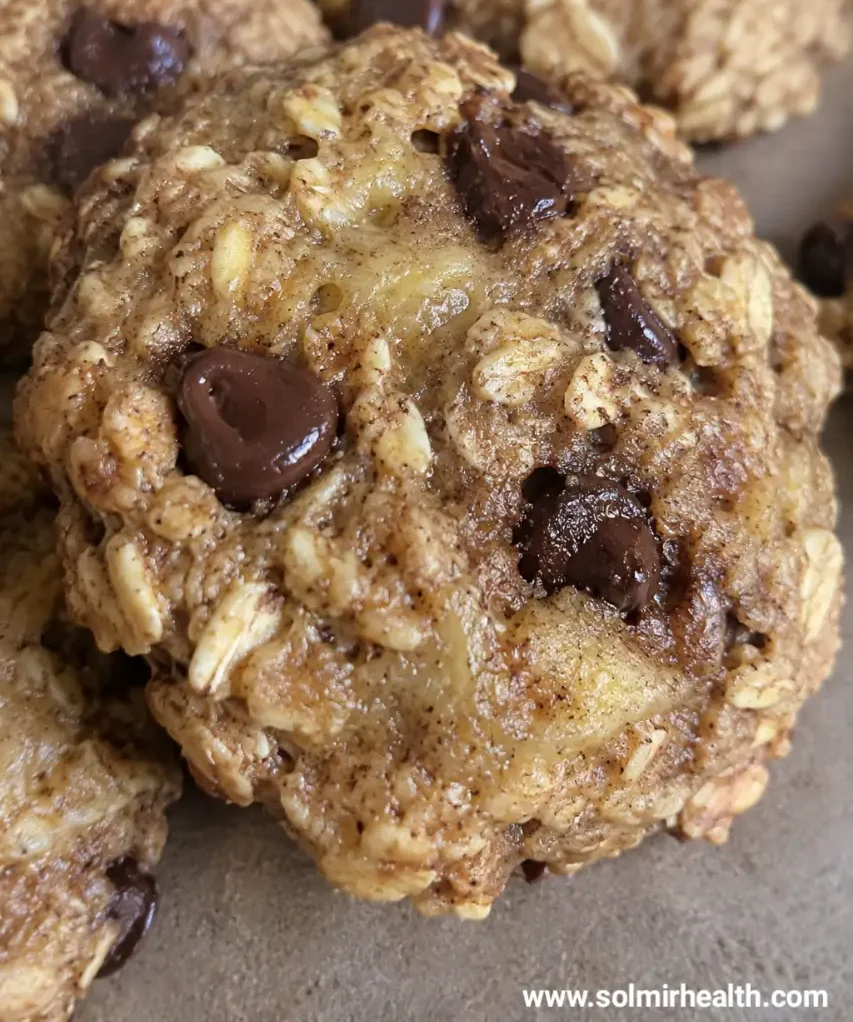
2. Banana Oat Protein Cookies
Mashed banana handles two jobs at once here: it sweetens the dough and keeps the oats from turning dry and crumbly once they bake. Out of everything in this list, these come out the softest and most cake-like, which makes them a good pick if you’re not a fan of firmer, crisp edged cookies.
Ingredients
- 1 large ripe banana, mashed
- 1 cup rolled oats
- 1/3 cup vanilla or unflavored protein powder
- 1 tablespoon almond butter or peanut butter
- 1/2 teaspoon ground cinnamon
- 1/4 teaspoon baking soda
Instructions
- Preheat the oven to 350°F and line a baking sheet with parchment paper.
- Mash the banana well in a bowl, then stir in the almond butter until combined.
- Add the oats, protein powder, cinnamon, and baking soda, mixing until evenly combined. The dough will be soft and slightly sticky.
- Scoop into 10 mounds and flatten slightly, since these hold their shape while baking rather than spreading.
- Bake for 12 to 14 minutes, until the tops look dry and the edges are lightly golden.
- Let cool for 5 to 10 minutes before removing. They firm up noticeably as they cool.
Riper bananas with more brown spots make these sweeter, so you can usually skip any extra sweetener. Add raisins or a handful of mini chocolate chips for variety.
3. Almond Butter Tahini Protein Cookies
Tahini adds a subtle, slightly bitter edge that keeps this cookie from tasting purely sweet, while almond butter rounds it back out. It’s a more grown-up flavor profile than a standard peanut butter cookie, and one that pairs surprisingly well with a cup of coffee.
Ingredients
- 1/2 cup almond butter
- 2 tablespoons tahini
- 1 large egg
- 3 tablespoons maple syrup
- 3 tablespoons chocolate protein powder
- 1/4 teaspoon baking soda
Instructions
- Preheat the oven to 350°F and line a baking sheet with parchment paper.
- Whisk the almond butter, tahini, egg, and maple syrup together until smooth.
- Stir in the protein powder and baking soda until fully combined.
- Scoop into 10 balls, place on the sheet, and flatten gently with a fork. A light crosshatch pattern on top is a nice touch if you want it.
- Bake for 9 to 11 minutes, until the edges are set. The centers will still look a little soft, which is normal.
- Cool on the sheet for 5 minutes before moving to a rack.
Stir your tahini jar well before measuring. The oil separates over time and an unstirred scoop throws off the texture.
4. Coconut Raspberry Protein Cookies
Coconut flour pulls a lot of moisture out of a dough, so this recipe leans on two eggs and melted coconut oil to compensate. Fresh raspberries add little bursts of tartness that cut through the sweetness, keeping the whole cookie from feeling one note.

Ingredients
- 1/3 cup coconut flour
- 1/4 cup vanilla protein powder
- 2 large eggs
- 1/4 cup coconut oil, melted
- 3 tablespoons honey
- 1/2 cup fresh raspberries
- 2 tablespoons shredded coconut, plus extra for topping
- 1/4 teaspoon baking soda
Instructions
- Preheat the oven to 350°F and line a baking sheet with parchment paper.
- Whisk the eggs, melted coconut oil, and honey together.
- Add the coconut flour, protein powder, shredded coconut, and baking soda, stirring until a thick batter forms. Let it sit for 2 to 3 minutes, since coconut flour keeps absorbing liquid and the batter will thicken further.
- Gently fold in the raspberries, taking care not to crush them too much.
- Scoop into 10 mounds, flatten slightly, and top with a pinch of extra shredded coconut.
- Bake for 12 to 14 minutes, until the edges are golden.
- Cool for at least 10 minutes before handling.
Frozen raspberries work if fresh aren’t available. Just fold them in while still frozen so they don’t bleed into the dough.
5. Espresso Chocolate Protein Cookies
Instant espresso doesn’t make these taste like coffee. It just deepens the chocolate flavor underneath it. These come out rich and slightly fudgy, closer to a brownie than a typical crisp cookie, and they’re one of the quicker bakes in this collection.
Ingredients
- 1/2 cup almond butter
- 1 large egg
- 2 tablespoons maple syrup
- 1 tablespoon instant espresso powder, dissolved in 1 teaspoon hot water
- 2 tablespoons cacao powder
- 2 tablespoons chocolate protein powder
- 1/4 teaspoon baking soda
Instructions
- Preheat the oven to 350°F and line a baking sheet with parchment paper.
- Whisk the almond butter, egg, maple syrup, and dissolved espresso together.
- Add the cacao powder, protein powder, and baking soda, mixing until a smooth, thick dough forms.
- Scoop into 10 balls, flatten slightly, and place on the baking sheet.
- Bake for 8 to 9 minutes. These are best pulled slightly early for a fudgy center.
- Cool on the sheet for at least 5 minutes. They firm up as they sit.
6. Lemon Blueberry Protein Cookies
Fresh lemon zest keeps this cookie from reading as purely sweet, and the blueberries burst slightly in the oven, leaving little pockets of juice throughout. It’s one of the brighter, more spring and summer leaning options on this list.

Ingredients
- 1/4 cup almond flour
- 1/4 cup vanilla protein powder
- 1 large egg
- 3 tablespoons butter or coconut oil, melted
- 2 tablespoons honey
- Zest of 1 lemon
- 1/2 cup fresh blueberries
- 1/4 teaspoon baking soda
Instructions
- Preheat the oven to 350°F and line a baking sheet with parchment paper.
- Whisk the egg, melted butter, honey, and lemon zest together.
- Stir in the almond flour, protein powder, and baking soda until a thick dough forms.
- Toss the blueberries with a small pinch of almond flour before folding them in, which helps keep them from sinking to the bottom.
- Scoop into 10 mounds, flatten slightly, and bake for 10 to 11 minutes, until the edges are lightly golden.
- Cool on the sheet for 5 minutes before transferring.
A little lemon juice added to the wet ingredients brightens the flavor further if you want more tang.
7. Pumpkin Spice Protein Cookies
Pumpkin purée keeps this dough soft without needing an egg at all, which makes it one of the simplest recipes to put together in the whole collection. It’s a good one to make when you want something warm and spiced without much active effort.
Ingredients
- 1/2 cup pumpkin purée
- 1 cup rolled oats
- 1/3 cup vanilla protein powder
- 2 tablespoons maple syrup
- 1 teaspoon pumpkin pie spice
- 1/4 teaspoon baking soda
Instructions
- Preheat the oven to 350°F and line a baking sheet with parchment paper.
- Stir the pumpkin purée and maple syrup together in a bowl.
- Add the oats, protein powder, pumpkin pie spice, and baking soda, mixing until evenly combined.
- Let the dough rest for 5 minutes so the oats can absorb some of the moisture. It will thicken slightly.
- Scoop into 10 mounds and flatten, since this dough holds its shape without spreading.
- Bake for 13 to 15 minutes, until the tops look set and the edges are lightly golden.
Use plain pumpkin purée, not pumpkin pie filling. The filling already has added sugar and spice built in, which will throw off the recipe.
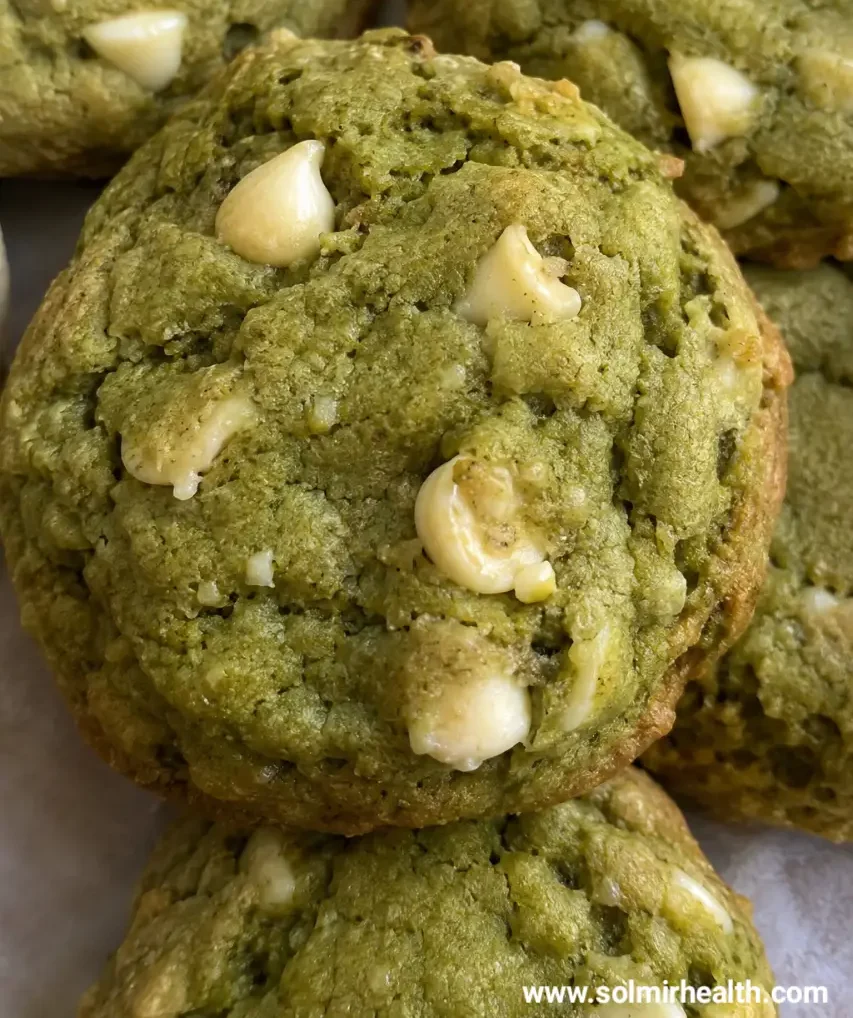
8. Matcha White Chocolate Protein Cookies
Matcha’s gentle bitterness balances the sweetness of white chocolate chips, and the green color makes these stand out from everything else on the list visually. It’s a fun one to bring to a gathering, since it looks different from a typical cookie.
Ingredients
- 1/4 cup almond flour
- 1/4 cup vanilla protein powder
- 1 tablespoon matcha powder
- 1 large egg
- 3 tablespoons coconut oil, melted
- 3 tablespoons honey
- 1/4 cup white chocolate chips
- 1/4 teaspoon baking soda
Instructions
- Preheat the oven to 350°F and line a baking sheet with parchment paper.
- Whisk the egg, melted coconut oil, and honey together.
- Add the almond flour, protein powder, matcha powder, and baking soda, mixing until a thick, evenly colored dough forms.
- Fold in the white chocolate chips.
- Scoop into 10 mounds, flatten slightly, and bake for 9 to 10 minutes, until the edges are set. Matcha darkens slightly with heat, so check for firm edges rather than judging doneness by color.
- Cool on the sheet for 5 minutes before transferring.
9. Double Chocolate Mint Protein Cookies
Cacao powder and chocolate protein powder stack together for a genuinely deep chocolate flavor, and a small amount of mint extract goes a long way. Start light with the mint and add more only if you want it stronger. It’s easy to overdo.
Ingredients
- 1/2 cup almond butter
- 1 large egg
- 3 tablespoons maple syrup
- 2 tablespoons coconut oil, melted
- 2 tablespoons cacao powder
- 2 tablespoons chocolate protein powder
- 1/2 teaspoon mint extract
- 1/4 teaspoon baking soda
- 2 tablespoons dark chocolate chunks, optional
Instructions
- Preheat the oven to 350°F and line a baking sheet with parchment paper.
- Whisk the almond butter, egg, maple syrup, and melted coconut oil together.
- Stir in the cacao powder, protein powder, mint extract, and baking soda until smooth.
- Fold in the chocolate chunks, if using.
- Scoop into 10 balls, flatten slightly, and bake for 8 to 9 minutes for a fudgy texture, or 10 to 11 minutes for something firmer.
- Cool on the sheet for at least 5 minutes before handling.
Peppermint extract and mint extract aren’t interchangeable in equal amounts. Peppermint is stronger, so use about half as much if that’s what you have.
10. Carrot Cake Protein Cookies
Grated carrot keeps this dough moist and gives the finished cookie a texture closer to a soft carrot cake than a standard cookie. Walnuts add crunch to balance the softness, and the cinnamon rounds it out into something that tastes more like dessert than a health food.

Ingredients
- 1/2 cup finely grated carrot
- 1/3 cup vanilla protein powder
- 1/4 cup almond flour
- 1 large egg
- 2 tablespoons coconut oil, melted
- 2 tablespoons maple syrup
- 1/2 teaspoon ground cinnamon
- 2 tablespoons chopped walnuts
- 1/4 teaspoon baking soda
Instructions
- Preheat the oven to 350°F and line a baking sheet with parchment paper.
- Squeeze the grated carrot lightly with a paper towel to remove excess moisture, then set aside.
- Whisk the egg, melted coconut oil, and maple syrup together.
- Add the protein powder, almond flour, cinnamon, and baking soda, mixing until combined.
- Fold in the grated carrot and walnuts.
- Scoop into 10 mounds, flatten slightly, and bake for 10 to 12 minutes, until the edges are golden and the centers feel set when lightly pressed.
Storing, Freezing, and Reheating These Cookies
All ten of these hold up well in an airtight container at room temperature for 3 to 4 days, and closer to a week if you keep them in the fridge instead.
For longer storage, most freeze cleanly for up to two months. Lay the baked, fully cooled cookies flat on a tray until firm, then transfer them to a freezer bag so they don’t stick together in one solid block.
If you’d rather bake from frozen dough instead of freezing finished cookies, scoop the dough into balls first, freeze them on a tray, then move them to a bag once solid. Bake straight from frozen and add roughly 2 extra minutes to whatever time the recipe lists.
Reheating a day-old cookie in a low oven, around 300°F for 3 to 4 minutes, brings back a lot of the just-baked texture that gets lost by day two. The microwave works in a pinch too, though it tends to make coconut flour and oat-based cookies slightly gummy rather than crisp.
Adjusting the Dough If It’s Not Behaving
Protein powders vary a lot between brands, so it’s common for a dough to look drier or wetter than described even when you’ve followed a recipe exactly.
If a dough feels too dry to scoop into balls, add moisture back in a teaspoon at a time. Extra nut butter, a splash of milk, or a touch more mashed banana all work without noticeably changing the flavor.
If a dough feels too loose or wet to hold its shape, resist the urge to add more dry ingredients, since that tends to make the finished cookie dense rather than fixing the texture. Chilling the dough in the fridge for 10 to 15 minutes usually firms it up enough to scoop cleanly.
Simple Swaps If You’re Missing an Ingredient
A few of the ingredients across this list are flexible enough to swap without redoing the recipe.
Nut Butter
Peanut butter, almond butter, and cashew butter can generally substitute for each other in equal amounts, though the flavor will shift slightly.
Sweetener
Honey and maple syrup are interchangeable one-to-one in every recipe here.
Protein Powder Flavor
Vanilla and unflavored are close enough to swap freely. Chocolate protein powder is harder to substitute without changing the final flavor, so it’s best used where a recipe specifically calls for it.
Eggs
In the recipes that use just one egg, a flax egg can work as a substitute, though the texture will be slightly denser.
To make a flax egg, mix 1 tablespoon ground flaxseed with 3 tablespoons water and let it rest for 5 minutes.
Frequently Asked Questions
Can I use any brand of protein powder for these recipes?
Most whey, casein, and plant-based powders work, but they absorb liquid differently. If your dough looks noticeably drier or wetter than described, adjust with a teaspoon of milk or nut butter rather than assuming the recipe is wrong.
Why did my cookies turn out flat instead of holding their shape?
This usually comes down to melted fat that hasn’t cooled enough before mixing, or a dough that wasn’t chilled when a recipe calls for it. Letting the wet ingredients cool slightly before combining, and chilling a soft dough for 10 minutes, both help.
Can I double any of these recipes?
Yes, all ten scale up cleanly by doubling every ingredient. Just bake in batches rather than crowding one tray, since overcrowded cookies tend to bake unevenly.
Do I need a stand mixer for any of these?
No. Every recipe here is mixed by hand with a bowl and a whisk or spoon. Nothing requires an electric mixer.
Which of these cookies is best for meal prep?
The banana oat and pumpkin spice cookies hold up particularly well over several days and reheat nicely, which makes them a good pick if you’re making a batch to eat throughout the week.
Can I make these without any protein powder at all?
You can, but you’ll need to rebalance the dry-to-wet ratio, since protein powder is doing structural work in each recipe, not just adding protein. It’s easier to look for a standard cookie recipe in that case rather than removing protein powder from these.
Final Thoughts
None of these ten cookies ask you to choose between something that tastes good and something that fits into a higher-protein way of eating. That’s really the whole point of building them around a moisture-rich ingredient instead of protein powder alone.
Start with whichever flavor sounds most appealing to you right now, pay attention to how your dough looks compared to what’s described, and adjust with a little extra liquid or a short chill in the fridge if needed.
Once you’ve made one or two of these, you’ll have a good sense of how your particular protein powder behaves, and the rest of the list gets a lot easier from there.