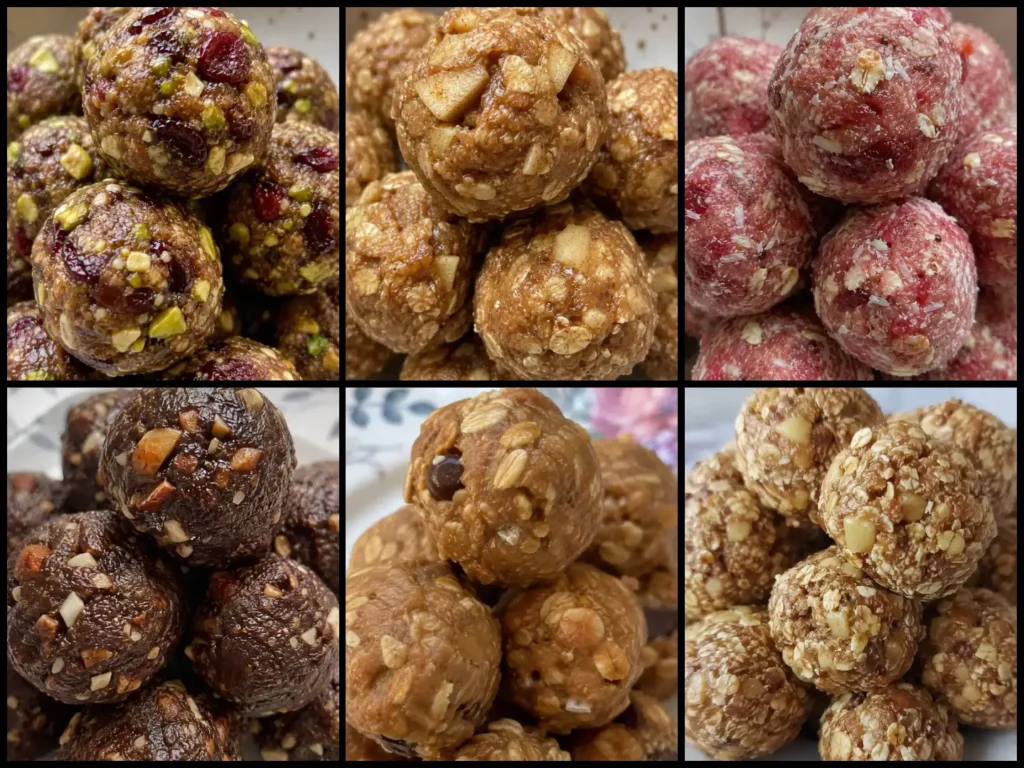
Most high protein cookie recipes make one mistake: they treat protein powder as the main ingredient instead of a supporting one. The result can be dry, chalky, or strangely cakey, and it is the reason some people try one protein cookie recipe and decide the whole category is not worth the trouble.
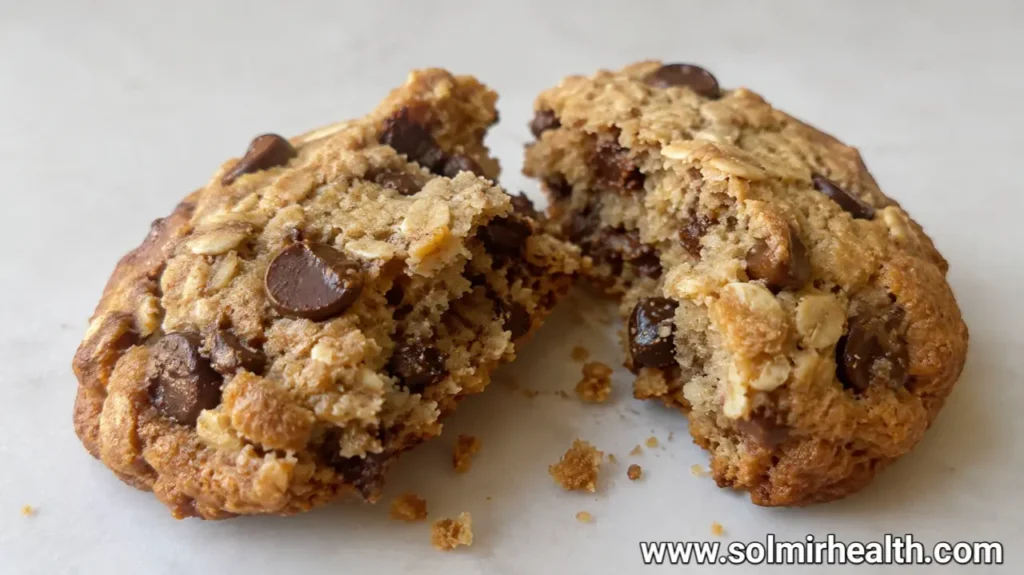
That reputation is not really fair to the format. A good high protein cookie recipe starts the same way any good cookie recipe does, with real fat, real moisture, and enough sweetness to taste like a treat. Protein powder gets folded in as one ingredient among several, not as a replacement for flour, sugar, and butter all at once. When the ratios are right, these cookies can still taste like a real treat while providing more protein than a traditional cookie.
That is the approach behind the ten recipes below. Every one uses ingredients you can find at a regular grocery store, including rolled oats, almond flour, nut butter, eggs, and natural sweeteners such as honey or maple syrup. Most standard vanilla or unflavored whey, casein, or plant based protein powders can work, but results vary by product. Each recipe comes together in one or two bowls and generally bakes in about 15 minutes or less. Protein content will vary by recipe and by the specific ingredients you use.
Table of Contents
Why These High Protein Cookie Recipes Work
This collection covers ten different flavors, from classic chocolate chip to lemon poppy seed and pistachio. Some recipes use oat flour made by blending rolled oats, while others use almond flour for a richer and denser texture. Banana and pumpkin also add moisture to two of the recipes.
The basic method is simple. Mix the wet ingredients, combine the dry ingredients, bring everything together, scoop the dough, and bake. Once you understand how the dough should feel, it becomes easier to make small adjustments for different protein powders and mix ins.
Understanding Your Protein Powder
The protein powder you choose can affect the texture of the finished cookies, so it is worth paying attention to the type you use.
Whey, casein, and plant based protein powders can behave differently in baking. Some plant based powders, especially certain pea protein or rice protein blends, absorb more liquid and can leave the dough feeling stiff or dry. If your dough seems too dry after mixing, add milk one tablespoon at a time until it comes together.
Flavor matters too. Vanilla protein powder is the most versatile option for this collection because it works with chocolate, fruit, nuts, and warm spices. Plain or unflavored protein powder can also work well if you want the other ingredients to stand out.
Protein powder does not behave exactly like flour, and cookies made with a higher amount of protein powder may brown differently from traditional cookies. For that reason, use the texture and edges of the cookies as part of your doneness check rather than relying only on the color of the top.
Oats or Almond Flour: Choosing Your Base
Six of these recipes use rolled oats blended into a coarse flour, while four use almond flour. Each base gives the cookies a different texture.
Oat flour has a mild flavor and works well with recipes that contain moist ingredients such as pumpkin or banana. It gives the cookies a softer texture and helps them hold together.
Almond flour is higher in fat and lower in starch than oat flour, which gives cookies a denser and richer texture. Almond flour also browns more quickly, so the recipes that use it are baked at a slightly lower temperature.
If you want to substitute one flour for another, avoid making a direct one to one swap without checking the dough. Oat flour and almond flour absorb liquid differently, so the amount of milk or other liquid may need adjustment.
Preparation Tips for Better High Protein Cookie Recipes
A few simple habits can make protein cookies easier to bake successfully.
Blend your oats fresh. A quick pulse in a blender or food processor turns rolled oats into a coarse flour. You do not need to make a perfectly fine powder. A slightly coarse texture can give the cookies useful structure.
Let the dough rest before scooping. Many of these recipes benefit from a five minute rest after mixing. This gives the oats or almond flour time to absorb some of the liquid. If the dough still feels too loose after resting, chilling it for about 15 to 20 minutes can help firm it up.
Flatten before baking. Protein cookie dough often spreads less than traditional cookie dough. Flattening the portions slightly before baking helps them cook more evenly and gives them a more familiar cookie shape.
Watch the edges. The center of a cookie can still look soft when the edges are already set. Look for set edges and the texture described in each recipe rather than waiting for the entire cookie to look completely firm.
Let the cookies cool. These cookies can be more fragile when they first come out of the oven. Let them cool on the baking sheet for the time listed in each recipe before transferring them to a rack.
The Recipes
1. Chocolate Chip Protein Cookies

The one to start with if you are new to protein baking. Peanut butter keeps the center soft, and it tastes close enough to a classic bakery cookie that you will not feel like you are compromising.
Ingredients
1 cup rolled oats, blended into a coarse flour
1 scoop about 30 g vanilla protein powder
1/3 cup natural peanut butter
1/4 cup maple syrup
1/4 cup unsweetened almond milk
1 large egg
1/2 teaspoon baking soda
1/4 teaspoon salt
1/2 teaspoon ground cinnamon
1/3 cup mini chocolate chips
How To Make Chocolate Chip Protein Cookies
- Preheat the oven to 350°F and line a baking sheet with parchment paper.
- Blend the oats into a coarse flour, then whisk in the protein powder, baking soda, salt, and cinnamon.
- In a separate bowl, whisk together the peanut butter, maple syrup, almond milk, and egg until smooth.
- Fold the dry ingredients into the wet ingredients until just combined, then stir in the chocolate chips. If the dough seems too wet, let it rest for 5 minutes.
- Scoop into 12 rounded tablespoons, space them about 2 inches apart, and flatten each one slightly with the back of a spoon.
- Bake for 9 to 11 minutes, until the edges are set and just barely golden.
- Cool on the pan for 5 minutes before moving the cookies to a wire rack.
2. Peanut Butter Protein Cookies
These use a short ingredient list and no traditional wheat flour. They have the familiar flavor of a classic peanut butter cookie, complete with the traditional fork crossed top.
Ingredients
1 cup rolled oats, blended into flour
1 cup natural peanut butter, room temperature
1 scoop about 30 g vanilla protein powder
1/4 cup honey
1 large egg
2 to 3 tablespoons milk, as needed
How To Make Peanut Butter Protein Cookies
- Preheat the oven to 350°F and line a baking sheet with parchment.
- Stir together the peanut butter, honey, and egg until smooth and glossy.
- Add the oat flour and protein powder and mix until a thick dough forms. If it feels crumbly, add milk one tablespoon at a time until it holds together.
- Roll into 12 balls, place them on the sheet, and press each one with a fork in a crosshatch pattern.
- Bake for 10 to 12 minutes, until the edges are set. The cookies will still look soft in the center.
- Cool on the pan for 8 minutes before transferring them. They firm up as they cool.
3. Double Chocolate Protein Cookies
Rich and brownie like, thanks to cocoa powder in the dough and chopped dark chocolate folded in, with no melted chocolate or extra butter required.
Ingredients
1 cup rolled oats, blended into flour
3 tablespoons unsweetened cocoa powder
1 scoop about 30 g chocolate or vanilla protein powder
1/3 cup natural peanut butter
1/4 cup maple syrup
1/3 cup milk
1 large egg
1/2 teaspoon baking soda
1/4 teaspoon salt
1/3 cup chopped dark chocolate
How To Make Double Chocolate Protein Cookies
- Preheat the oven to 350°F and line a baking sheet with parchment.
- Whisk the oat flour, cocoa powder, protein powder, baking soda, and salt together.
- In a separate bowl, whisk the peanut butter, maple syrup, milk, and egg until smooth.
- Combine the wet and dry mixtures, then fold in the chopped dark chocolate. Let the dough rest for 5 minutes.
- Scoop into 12 mounds, flatten slightly, and bake for 9 to 10 minutes. Judge doneness by the edges since the dark color makes the top harder to read.
- Cool for 5 minutes on the pan before transferring.
4. Oatmeal Raisin Protein Cookies
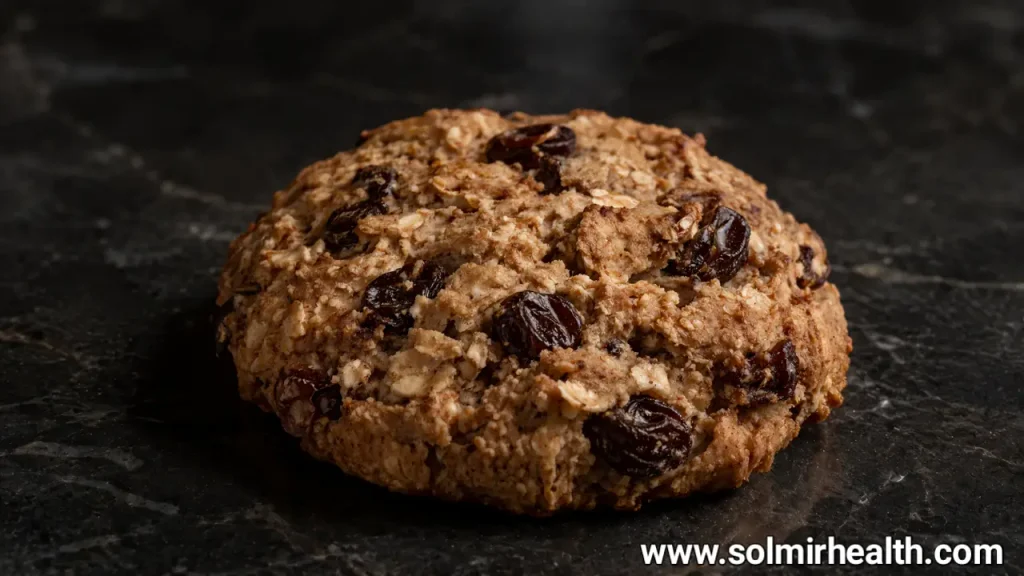
A short ingredient list that leans on cinnamon and raisins for flavor, with whole oats left unblended for extra texture.
Ingredients
1 1/4 cups rolled oats, kept whole
1 scoop about 30 g vanilla protein powder
1/2 cup raisins
1 teaspoon ground cinnamon
1/3 cup natural peanut butter or unsweetened applesauce
1/4 cup milk
1 large egg
1/2 teaspoon baking soda
1/4 teaspoon salt
How To Make Oatmeal Raisin Protein Cookies
- Preheat the oven to 350°F and line a baking sheet with parchment.
- Mix the whole oats, protein powder, cinnamon, baking soda, and salt in a large bowl.
- In a separate bowl, whisk the peanut butter or applesauce, milk, and egg together.
- Combine the wet and dry ingredients, then fold in the raisins. Let the dough rest for 5 minutes so the oats soften slightly.
- Scoop 12 portions onto the sheet and flatten gently.
- Bake for 10 to 12 minutes, until the cookies are set and lightly golden. Cool on the pan for 5 minutes before transferring.
5. Coconut Almond Protein Cookies
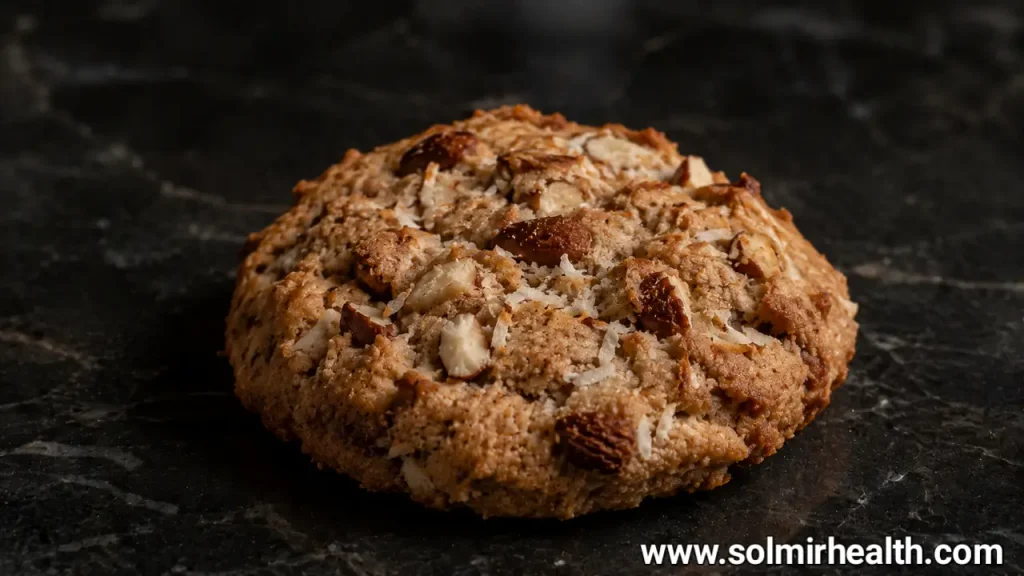
A denser, more macaroon like cookie built on almond flour, with toasted coconut and honey giving it a rich, chewy bite.
Ingredients
1 1/2 cups almond flour
1/2 cup unsweetened shredded coconut
1 scoop about 30 g vanilla protein powder
1/4 cup honey
2 tablespoons melted coconut oil
1 large egg
1/4 teaspoon salt
1/3 cup sliced almonds
How To Make Coconut Almond Protein Cookies
- Preheat the oven to 340°F and line a baking sheet with parchment.
- Combine the almond flour, shredded coconut, protein powder, and salt.
- In a separate bowl, whisk the honey, melted coconut oil, and egg until smooth.
- Stir the wet ingredients into the dry ingredients until a thick, slightly sticky dough forms.
- Scoop 12 portions, roll briefly between your palms, and press a few sliced almonds onto each top.
- Bake for 9 to 11 minutes, watching closely after 8 minutes since almond flour and coconut can brown quickly.
- Cool completely on the pan before moving the cookies.
6. Pumpkin Protein Cookies
Pumpkin puree keeps this dough naturally moist, making it one of the easier recipes to get right on the first try, with pumpkin seeds on top for crunch.
Ingredients
1/2 cup canned pumpkin puree
1 cup oat flour
1 scoop about 30 g vanilla protein powder
1/4 cup maple syrup
2 tablespoons natural peanut butter
1 teaspoon ground cinnamon
1/2 teaspoon baking soda
1/4 teaspoon salt
1/3 cup pumpkin seeds
How To Make Pumpkin Protein Cookies
- Preheat the oven to 350°F and line a baking sheet with parchment.
- Whisk the pumpkin puree, maple syrup, and peanut butter together until smooth.
- In a separate bowl, combine the oat flour, protein powder, cinnamon, baking soda, and salt.
- Fold the dry ingredients into the pumpkin mixture. The dough will be thicker and stickier than typical cookie dough.
- Scoop 12 portions onto the sheet and flatten each one since this dough will not spread much on its own.
- Press a few pumpkin seeds into the top of each cookie.
- Bake for 11 to 13 minutes, until the tops look set and no longer wet. Cool on the pan for 10 minutes so the cookies can firm up.
7. Lemon Poppy Seed Protein Cookies

A brighter option with almond flour keeping the crumb tender and fresh lemon zest giving it a bakery style flavor.
Ingredients
1 1/2 cups almond flour
1 scoop about 30 g vanilla protein powder
1 tablespoon poppy seeds
Zest of 1 medium lemon
1/4 cup honey
2 tablespoons fresh lemon juice
1 large egg
1/4 teaspoon salt
How To Make Lemon Poppy Seed Protein Cookies
- Preheat the oven to 340°F and line a baking sheet with parchment.
- Combine the almond flour, protein powder, poppy seeds, and salt.
- In a separate bowl, whisk the lemon zest, honey, lemon juice, and egg until smooth.
- Combine the wet and dry mixtures into a soft dough. It should feel slightly tacky but hold together when scooped.
- Scoop 12 portions onto the sheet and flatten gently into rounds about 1/4 inch thick.
- Bake for 8 to 10 minutes, checking at the 8 minute mark since almond flour cookies can go from soft to dry quickly.
- Cool completely on the pan before transferring. For a stronger lemon flavor, add an extra teaspoon of zest.
8. Cranberry Almond Protein Cookies
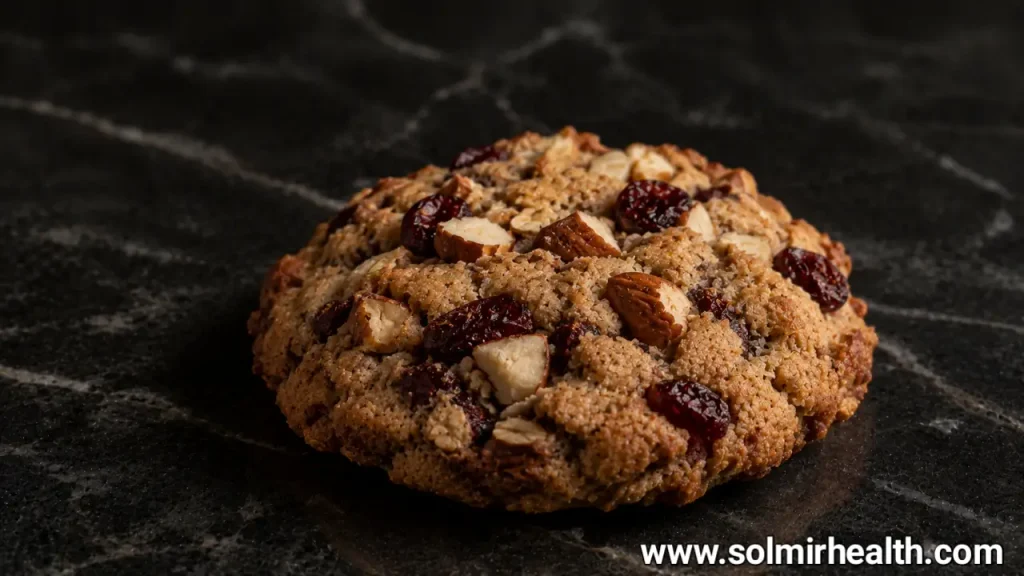
Closer to a trail mix cookie than a traditional dessert, built around dried cranberries and chopped almonds. They are a practical option for breakfast or a snack.
Ingredients
1 cup rolled oats, blended into flour
1 scoop about 30 g vanilla protein powder
1/2 cup dried cranberries
1/3 cup chopped almonds
1/4 cup maple syrup
1/4 cup milk
2 tablespoons natural almond butter
1 large egg
1/2 teaspoon baking soda
1/4 teaspoon salt
How To Make Cranberry Almond Protein Cookies
- Preheat the oven to 350°F and line a baking sheet with parchment.
- Whisk the oat flour, protein powder, baking soda, and salt together.
- In a separate bowl, whisk the maple syrup, milk, almond butter, and egg until smooth.
- Combine the wet and dry ingredients, then fold in the cranberries and chopped almonds.
- Scoop 12 portions onto the sheet and flatten slightly.
- Bake for 9 to 11 minutes, until the edges are golden. Cool on the pan for 5 minutes before transferring.
9. Banana Chocolate Protein Cookies
Ripe banana replaces most of the added sweetener here, making this the lightest tasting cookie in the collection, with a soft, almost muffin like texture.
Ingredients
1 ripe medium banana, mashed
1 cup rolled oats, blended into flour
1 scoop about 30 g vanilla protein powder
2 tablespoons natural peanut butter
1 large egg
1/2 teaspoon baking soda
1/4 teaspoon salt
1/3 cup chopped dark chocolate
How To Make Banana Chocolate Protein Cookies
- Preheat the oven to 350°F and line a baking sheet with parchment.
- Mash the banana until smooth, then whisk in the peanut butter and egg.
- In a separate bowl, combine the oat flour, protein powder, baking soda, and salt.
- Stir the dry ingredients into the banana mixture until just combined, then fold in the chopped dark chocolate.
- Scoop slightly smaller portions, about 1 tablespoon each, for 14 cookies total.
- Space them about 2 inches apart and bake for 10 to 12 minutes, until the tops spring back lightly when touched.
- Cool on the pan for 8 minutes. Store leftovers in the refrigerator and use within 2 to 3 days for best quality.
10. Pistachio Protein Cookies
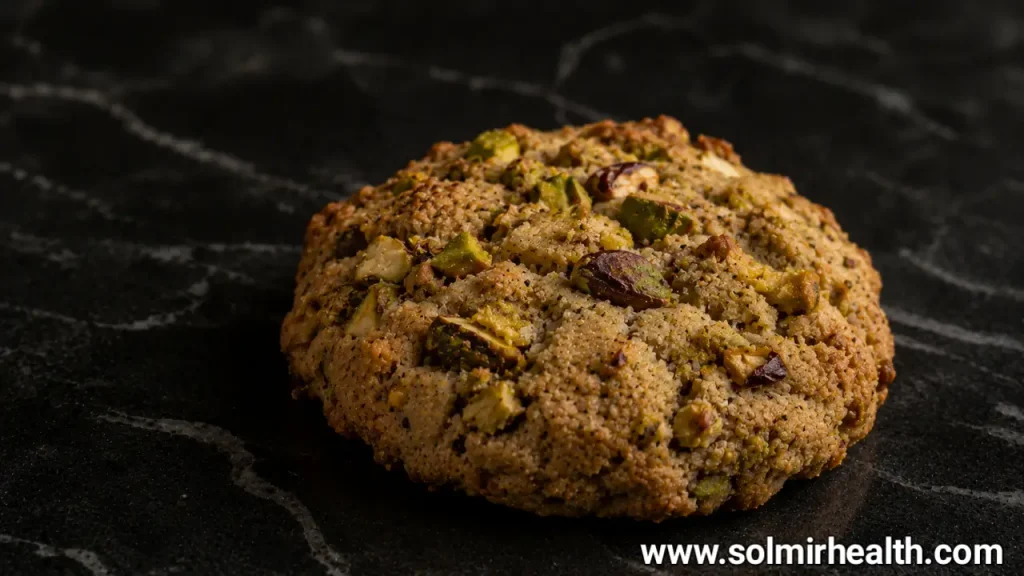
The most distinctive cookie in the collection, with ground pistachios giving the dough a natural green tint and a rich, buttery flavor that pairs well with honey.
Ingredients
1 cup shelled pistachios, finely ground
1/2 cup almond flour
1 scoop about 30 g vanilla protein powder
1/4 cup honey
2 tablespoons milk
1 large egg
1/4 teaspoon salt
1/3 cup roughly chopped pistachios, for topping
How To Make Pistachio Protein Cookies
- Preheat the oven to 340°F and line a baking sheet with parchment.
- Pulse the shelled pistachios in a food processor until finely ground but not pasty. A few small pieces are fine.
- Combine the ground pistachios, almond flour, protein powder, and salt.
- In a separate bowl, whisk the honey, milk, and egg together, then stir into the dry ingredients until a thick dough forms.
- Scoop 12 portions onto the sheet, flatten slightly, and press chopped pistachios onto each top.
- Bake for 9 to 11 minutes, until the edges are set. Judge doneness by the edges rather than the center.
- Cool completely on the pan before transferring since the cookies are delicate while warm.
Variations and Substitutions
Once you are comfortable with a couple of these recipes, it is easy to adapt them to what you have in your kitchen. Nut butters can often be swapped for other nut butters with similar consistency. Maple syrup and honey can also be exchanged in many of these recipes, although the flavor will change slightly.
If you are dairy free, almond milk and regular milk can both be replaced with unsweetened plant based milk in the same quantities. For an egg free version, a flax egg made with one tablespoon of ground flaxseed mixed with three tablespoons of water and rested for five minutes can work reasonably well in the oat based recipes, though the texture will be slightly denser.
Mix ins are another easy way to change the flavor. White chocolate chips can replace dark chocolate in the double chocolate or banana chocolate cookies. Chopped walnuts or pecans can replace the almonds in the cranberry almond version. If you want more texture in an almond flour cookie, a small amount of chia seeds or hemp hearts can add crunch.
Storage and Freezing
Most of these cookies keep well in an airtight container at room temperature for about three to four days. The banana, pumpkin, and lemon poppy seed cookies contain more moisture and are better kept in the refrigerator.
To freeze baked cookies, let them cool completely, then freeze them in a single layer on a tray before transferring them to a freezer bag or freezer safe container. Freezing them flat first helps keep them from sticking together. For best quality, use frozen cookies within about three months.
You can also freeze the raw dough. Scoop it into portions, freeze the portions on a tray until solid, then transfer them to a freezer bag or freezer safe container. Bake from frozen and check them near the original baking time, adding a little extra time if needed.
Troubleshooting Common Problems
My dough is too dry or crumbly. This is common with some plant based protein powders because they can absorb more liquid. Add milk one tablespoon at a time until the dough holds together when pressed.
My cookies came out dense or gummy. They may need a little more time in the oven. Protein rich doughs can look set on the surface before the center is fully baked, so check the edges and the texture described in the recipe.
My dough is too wet to scoop. Give it five minutes to rest before adding more dry ingredients. If it is still too loose, chill the dough for 15 to 20 minutes.
My cookies spread too much or too little. Protein cookie dough often spreads less than traditional cookie dough. Flattening the dough before baking helps with this. Also check that your baking soda is still active if a recipe that normally spreads is behaving differently.
My almond flour cookies fell apart. Almond flour cookies can be delicate while warm. Let them cool completely on the baking sheet before moving them.
Final Thoughts
The difference between a protein cookie that tastes like a compromise and one that tastes like an actual cookie usually comes down to a few details: choosing a protein powder that works well with the recipe, giving the dough time to absorb liquid, and using the edges and texture to judge when the cookies are ready. These recipes use familiar ingredients and straightforward methods, so you can start with one flavor and adjust the mix ins to suit your pantry and taste.