Snacking gets a bad reputation, but the problem is rarely the snacking itself. It’s usually the snacks. A bag of chips or a sugary granola bar leaves you hungry again within the hour, while the right combination of protein, fiber, and healthy fat can carry you comfortably from one meal to the next. The 25 foods below are simple, widely available, and require little to no prep, so they fit into a real schedule instead of a Pinterest board.
What You’ll Find in This List
This roundup covers a mix of fruits, vegetables, dairy, seafood-free proteins, whole grains, nuts, and seeds, so you’re not eating the same nutritional profile 25 times over. Each entry explains what makes the food worth keeping on hand, the general nutrition it offers, and a few realistic ways to actually eat it during a busy week. Amounts and calorie estimates are approximate and will vary based on brand, portion size, and preparation.
The goal here isn’t to make snacking complicated. The best healthy snacks are often the ones you can keep nearby, prepare quickly, and actually enjoy eating. Pairing foods with protein, fiber, or healthy fats can also make a snack more satisfying than choosing a highly refined snack on its own.
Table of Contents
01. Almonds
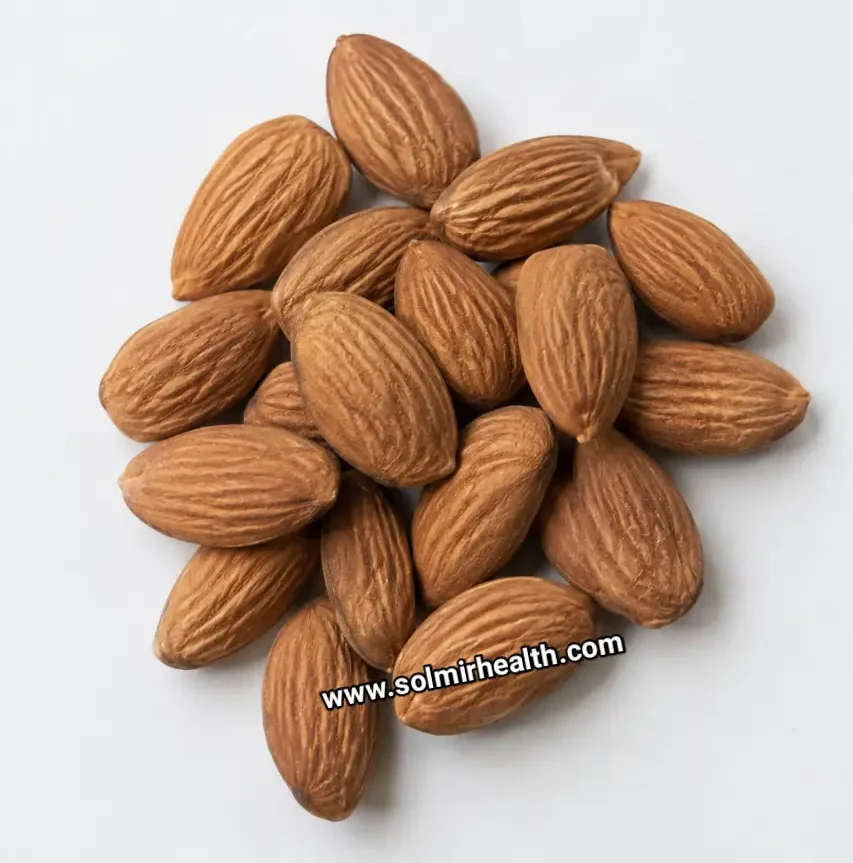
Raw almonds are one of the easiest snacks to keep stocked because they need no refrigeration, no prep, and no cleanup. A small handful, about 23 almonds, roughly one ounce, provides a combination of protein, fiber, and unsaturated fat that helps slow digestion, which is part of why almonds tend to be more filling than most packaged snack foods of the same size.
Why It’s Helpful
Almonds are a source of vitamin E, magnesium, and monounsaturated fat, nutrients that are often underrepresented in a typical American diet. The fiber and fat combination can help take the edge off hunger between meals.
Easy Ways to Eat It
Portion almonds into small containers or snack bags at the start of the week so you’re not eyeballing servings from a big bag. They also work well tossed into oatmeal, yogurt, or a simple trail mix.
02. Walnuts
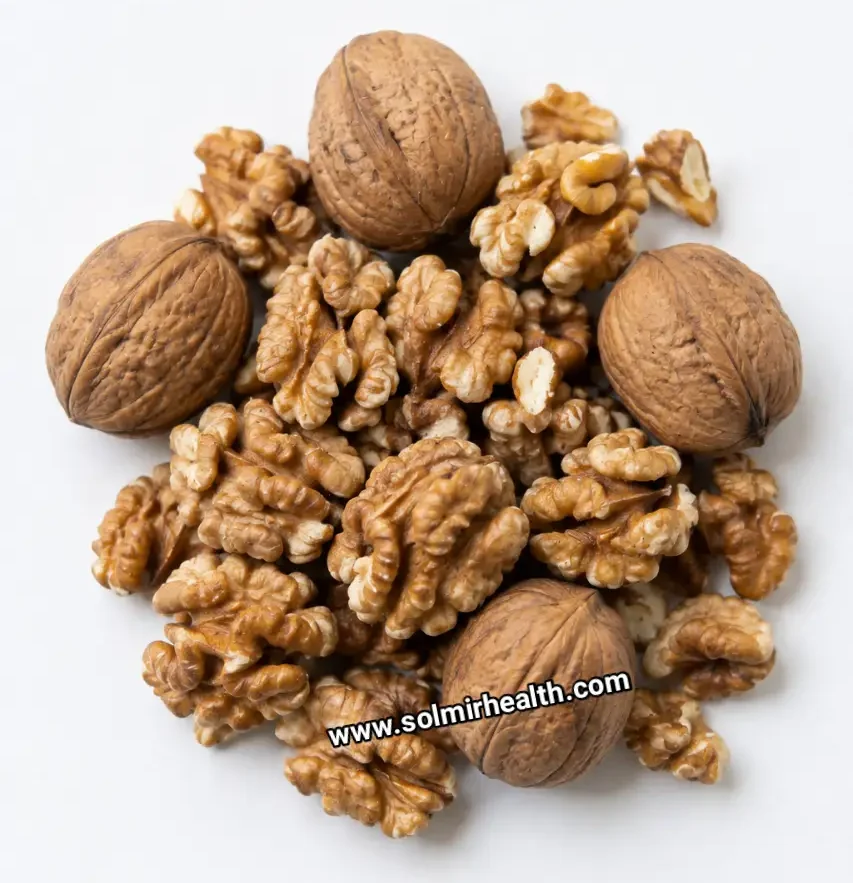
Walnuts stand out among nuts for their omega-3 fatty acid content, specifically alpha-linolenic acid, or ALA, a plant-based omega-3. They have a slightly softer, more buttery texture than almonds, which makes them a good option for anyone who wants variety in their nut rotation rather than reaching for the same one every day.
Why It’s Helpful
A one-ounce serving of walnuts, about 14 halves, provides a meaningful amount of ALA along with fiber and plant protein, making them a useful addition to a snack routine that’s otherwise low in omega-3s.
Easy Ways to Eat It
Chop walnuts over salads, stir them into cottage cheese, or eat a small handful on their own. Toasting them lightly in a dry pan for a few minutes brings out more flavor without adding anything.
03. Blueberries
Blueberries are one of the few snack foods that feel like a treat while still being genuinely useful nutritionally. Fresh or frozen both work, and frozen blueberries are often more budget-friendly while retaining most of their nutrients, since they’re typically frozen shortly after harvest.
Why It’s Helpful
Blueberries are a source of fiber and plant compounds called anthocyanins, which give the berries their deep color. A cup is relatively low in calories while still offering natural sweetness, which can help satisfy a craving for something sugary.
Easy Ways to Eat It
Eat them straight from the container, layer them into yogurt, or keep a bag of frozen blueberries in the freezer for a quick handful whenever you need something cold and sweet.
04. Greek Yogurt

Greek yogurt is strained more than regular yogurt, which removes much of the liquid whey and leaves a thicker, creamier product that’s naturally higher in protein per serving. Plain, unsweetened varieties keep added sugar out of the equation, letting you control sweetness yourself.
Why It’s Helpful
A typical serving of plain Greek yogurt provides a solid amount of protein along with calcium and probiotics, depending on the brand. The protein content is a major reason Greek yogurt tends to be more satisfying than many other dairy snacks.
Easy Ways to Eat It
Top plain Greek yogurt with berries, a drizzle of honey, or a spoonful of granola. It also works as a savory base with cucumber and herbs if you want something less sweet.
05. Apple Slices
Apples are about as accessible as snacks get. They’re sold everywhere, keep for weeks in the refrigerator, and need nothing more than a rinse and a knife. Slicing an apple rather than eating it whole also makes it easier to pack for work or share with kids.
Why It’s Helpful
Apples provide fiber, particularly in the skin, along with natural sugars and a high water content. The fiber can contribute to a feeling of fullness compared with snacks that contain mostly refined sugar.
Easy Ways to Eat It
Pair apple slices with a nut butter or a small piece of cheese to add protein and fat, which helps the snack keep you full for longer. A splash of lemon juice keeps sliced apples from browning if you’re prepping ahead.
06. Strawberries
Strawberries bring a bright, naturally sweet flavor without needing any added sugar, and their high water content makes them a lighter option compared to denser fruits. In-season strawberries from a local market tend to have the best flavor, but frozen or off-season strawberries still work fine in most preparations.
Why It’s Helpful
Strawberries are a source of vitamin C and fiber while being relatively low in calories for their volume, which makes them a satisfying snack without a heavy calorie load.
Easy Ways to Eat It
Rinse and hull a batch at the start of the week so they’re ready to grab. They’re also good sliced into Greek yogurt or eaten alongside a few walnuts for a more balanced snack.
07. Pumpkin Seeds
Pumpkin seeds, often labeled pepitas when hulled, have a satisfying crunch and a mild, slightly nutty flavor that works well on their own or mixed into other snacks. They’re smaller than most nuts, which makes portioning a little easier to visualize.
Why It’s Helpful
Pumpkin seeds are a source of magnesium, zinc, and plant protein, along with unsaturated fat. This nutrient combination is one reason pumpkin seeds show up often in snack mixes aimed at sustained energy rather than a quick sugar spike.
Easy Ways to Eat It
Eat a small handful straight, sprinkle roasted pumpkin seeds over salads or soups, or mix them into a homemade trail mix with dried fruit and other seeds.
08. Hummus
Hummus, made primarily from blended chickpeas, tahini, olive oil, garlic, and lemon juice, is one of the more versatile snacks on this list because it works as a dip for almost any vegetable or whole grain cracker. Store-bought versions vary widely in ingredients, so checking the label for added oils and sodium is worth the extra minute.
Why It’s Helpful
Because it’s chickpea-based, hummus offers plant protein and fiber along with the healthy fat from tahini and olive oil, a combination that helps make it more filling than most dips.
Easy Ways to Eat It
Pair two to three tablespoons of hummus with raw vegetables like cucumber or carrots, or spread it on whole grain crackers. Making a batch at home lets you control exactly what goes into it.
09. Cucumber Slices
Cucumbers are mostly water, which makes them refreshing and genuinely low in calories, but they still bring some fiber and a satisfying crunch that can help with the mechanical sensation of “eating” something during a craving. English or Persian cucumbers tend to have fewer seeds and a thinner skin, which some people find easier to eat raw.
Why It’s Helpful
Cucumbers contribute hydration along with small amounts of vitamin K and potassium, and their low calorie density means they can bulk up a snack plate without adding much to your overall intake.
Easy Ways to Eat It
Slice cucumbers and pair them with hummus, a light vinaigrette, or a sprinkle of salt and lemon. They also hold up well in the refrigerator for a few days if sliced and stored in an airtight container.
10. Baby Carrots

Baby carrots are pre-washed, pre-cut, and require zero prep, which is exactly why they remain one of the most common vegetable snacks in American kitchens. Their natural sweetness makes them an easier sell than many raw vegetables, especially for kids or anyone easing into more produce-heavy snacking.
Why It’s Helpful
Carrots are a well-known source of beta-carotene, which the body converts to vitamin A, along with fiber that adds to their filling quality despite being low in calories.
Easy Ways to Eat It
Keep a bag in the refrigerator for grab-and-go snacking, or pair them with hummus or a yogurt-based dip for something more substantial.
11. Celery with Peanut Butter
The combination of celery and peanut butter has been a lunchbox staple for decades, and it earns that reputation by pairing the crunch and hydration of celery with the protein and healthy fat of peanut butter. Natural peanut butter, without added sugar or hydrogenated oils, is the better choice nutritionally.
Why It’s Helpful
Celery contributes fiber and water volume, while peanut butter adds protein and unsaturated fat, making this pairing more balanced and filling than either food eaten alone.
Easy Ways to Eat It
Spread a tablespoon of peanut butter into celery sticks, or, for extra texture, add a few raisins on top for a version closer to the classic “ants on a log.”
12. Cottage Cheese
Cottage cheese has had something of a comeback in recent years, largely because of its high protein content relative to calories. Its mild flavor and soft curds make it a flexible base that takes on sweet or savory toppings equally well.
Why It’s Helpful
A typical serving of cottage cheese provides a substantial amount of protein along with calcium, which can help make it more satiating than many other dairy snacks of similar calorie count.
Easy Ways to Eat It
Top cottage cheese with fruit like pineapple or berries for something sweet, or with cherry tomatoes and cracked pepper for a savory version.
13. Raspberries
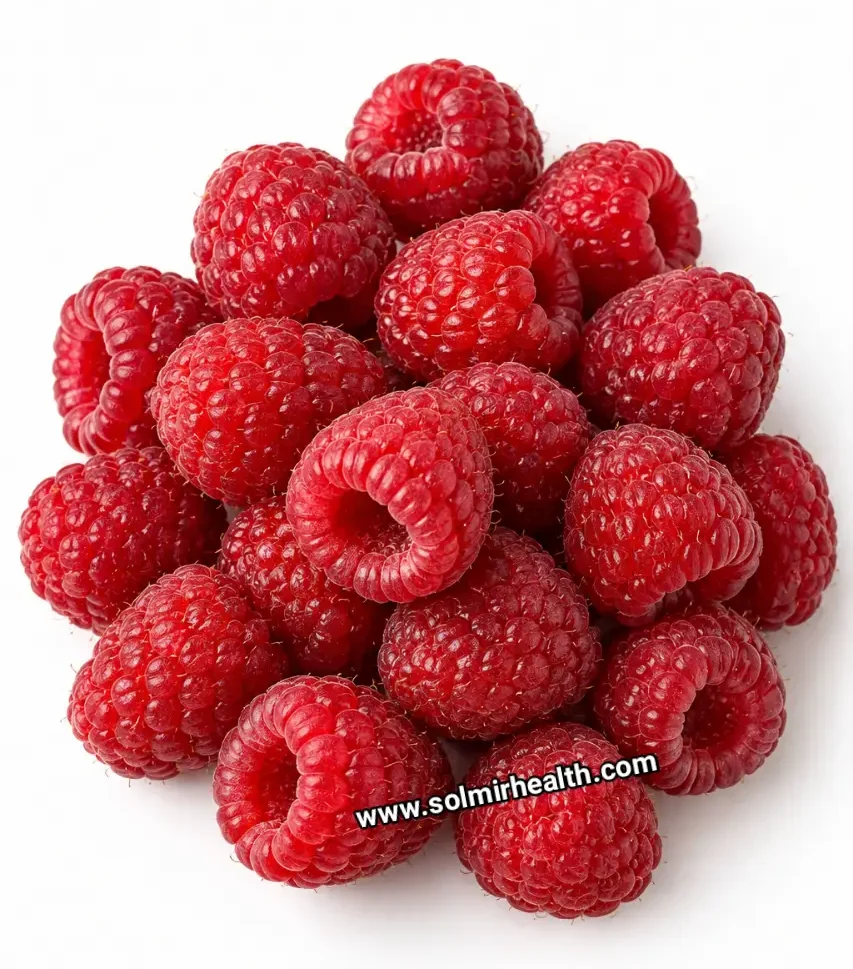
Raspberries have one of the highest fiber contents among common fruits, thanks largely to their many small seeds. Their slightly tart flavor makes them a good contrast when paired with something creamy, like yogurt or cottage cheese.
Why It’s Helpful
The fiber in raspberries supports a feeling of fullness, and their relatively low sugar content compared to other berries makes them a reasonable option even for those watching sugar intake.
Easy Ways to Eat It
Eat raspberries plain, mix them into Greek yogurt, or freeze a batch for a slushy, naturally sweet snack straight from the freezer.
14. Chia Pudding
Chia seeds absorb liquid and expand into a gel-like texture, which is what allows them to be turned into a pudding simply by soaking them in milk or a milk alternative overnight. The result is a make-ahead snack that requires no cooking at all.
Why It’s Helpful
Chia seeds are a source of fiber and ALA omega-3 fat, and their fiber and gel-forming texture can make chia pudding a satisfying snack.
Easy Ways to Eat It
Combine chia seeds with milk or a plant-based alternative in a jar, refrigerate overnight, and top with fruit or a small amount of nut butter before eating.
15. Roasted Chickpeas
Roasted chickpeas have become a popular alternative to chips because they deliver a similar crunch with considerably more fiber and protein. They’re simple to make at home by tossing drained, dried chickpeas with a little oil and seasoning before roasting until crisp.
Why It’s Helpful
As a legume, chickpeas bring plant protein and fiber to the table, and the roasting process concentrates their flavor without needing much added fat compared to fried snacks.
Easy Ways to Eat It
Eat roasted chickpeas straight from the container, or sprinkle them over salads and soups for added crunch and protein.
16. Edamame
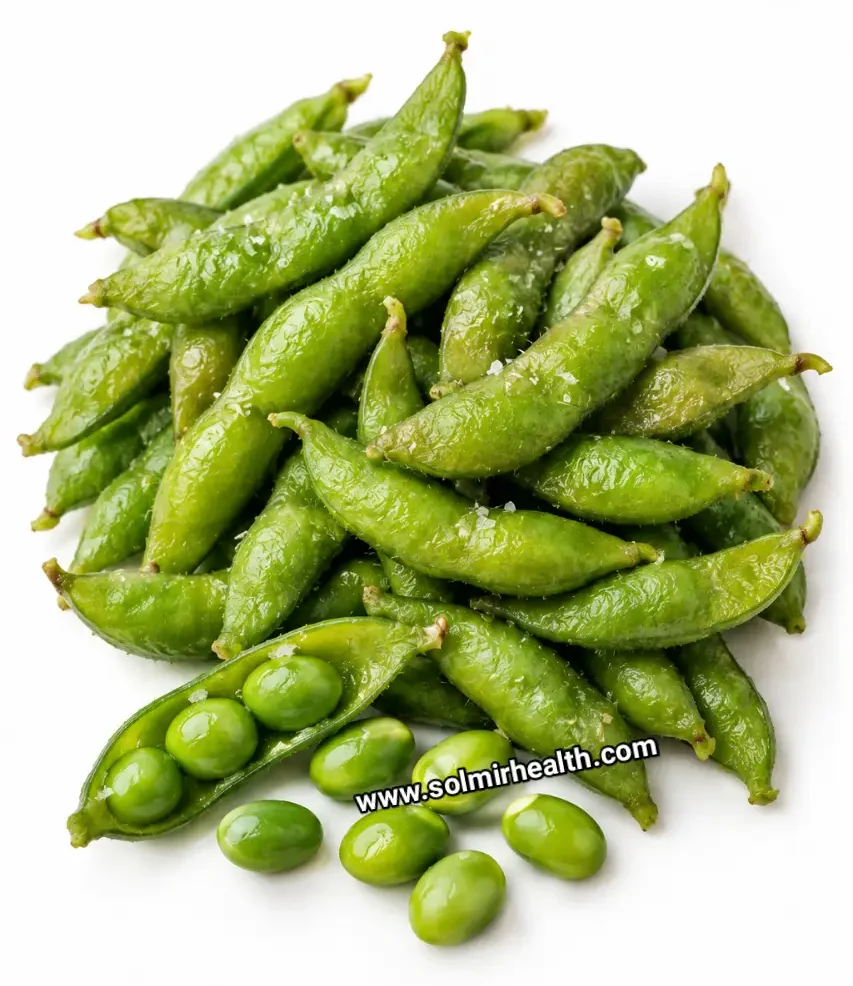
Edamame, young soybeans still in the pod, are typically boiled or steamed and lightly salted before eating. They’re sold frozen in most grocery stores and only take a few minutes to prepare, making them one of the more approachable plant proteins for a quick snack.
Why It’s Helpful
Edamame is one of the few plant foods considered a complete protein, meaning it contains all nine essential amino acids, along with fiber and a range of vitamins and minerals.
Easy Ways to Eat It
Steam or microwave frozen edamame in the pod, sprinkle with a little salt, and eat by popping the beans directly from the shell.
17. Mixed Nuts
A mix of nuts, almonds, cashews, pecans, and pistachios are common choices, gives you a wider range of nutrients than sticking to a single type, since different nuts vary somewhat in their fat, mineral, and vitamin profiles. Unsalted, unroasted, or dry-roasted versions are generally the better choice over heavily salted or honey-roasted varieties.
Why It’s Helpful
Nuts as a category are consistently associated with heart-healthy unsaturated fats, along with fiber and plant protein, and mixing varieties adds a broader spread of micronutrients to your snack rotation.
Easy Ways to Eat It
Portion mixed nuts into small containers for the week, or combine them with dried fruit and seeds for a homemade trail mix.
18. Cherry Tomatoes
Cherry tomatoes are sweeter and juicier than standard slicing tomatoes, which makes them easy to eat on their own without any dressing or preparation. Their small size also makes them convenient for packing into a lunch bag or snack container.
Why It’s Helpful
Tomatoes are a source of vitamin C and lycopene, an antioxidant compound that gives tomatoes their red color, along with a small amount of fiber.
Easy Ways to Eat It
Eat cherry tomatoes plain, halve them into cottage cheese, or skewer them with mozzarella and basil for a simple caprese-style snack.
19. Popcorn

Air-popped popcorn is a whole grain snack, which puts it in a different nutritional category than most crunchy packaged snacks made from refined flour. The key is preparation. Air-popped or lightly oil-popped popcorn with modest seasoning looks very different, nutritionally, than heavily buttered movie-theater popcorn.
Why It’s Helpful
As a whole grain, popcorn provides fiber, and its large volume relative to calories means a reasonable-sized bowl can feel substantial without much caloric cost.
Easy Ways to Eat It
Air-pop popcorn at home and season with a small amount of olive oil and salt, or try nutritional yeast for a cheesy flavor without dairy.
20. Dark Chocolate
Dark chocolate, particularly varieties with 70% cocoa or higher, contains less added sugar than milk chocolate while offering a more intense flavor, which often means a smaller amount satisfies a chocolate craving. It’s a snack best enjoyed in a defined portion rather than straight from a full bar.
Why It’s Helpful
Dark chocolate is a source of flavanols, plant compounds found in cocoa, and its lower sugar content compared to milk chocolate makes it a more moderate way to satisfy a sweet craving.
Easy Ways to Eat It
Portion one or two squares as an after-dinner treat, or pair a small piece with a few almonds or strawberries for a more balanced combination.
21. Boiled Eggs
Hard-boiled eggs are one of the most practical protein snacks available because they can be made in a batch, stored in the refrigerator for about a week, and eaten with zero additional prep. A pot, water, and roughly 10 to 12 minutes are all that’s required.
Why It’s Helpful
Eggs provide complete protein along with choline and several B vitamins, and their protein and fat combination tends to make them noticeably more filling than most carbohydrate-based snacks.
Easy Ways to Eat It
Boil a batch of eggs at the start of the week, peel one when needed, and season simply with salt and pepper, or slice one over a salad.
22. Pineapple
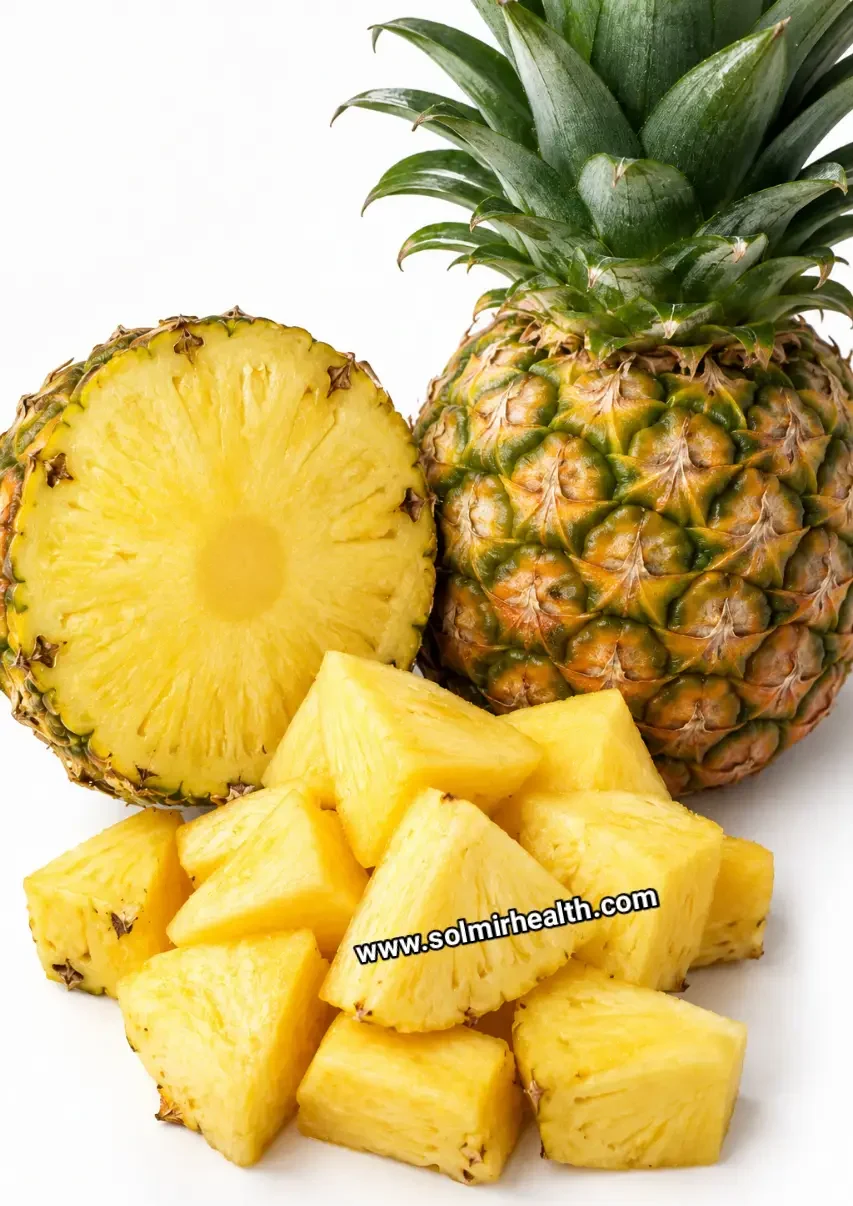
Fresh pineapple has a bright, tropical sweetness that can satisfy a sugar craving while still delivering genuine nutrition. Pre-cut pineapple, sold in most grocery store produce sections, removes the most time-consuming part of preparing it yourself.
Why It’s Helpful
Pineapple is a source of vitamin C and contains bromelain, an enzyme found naturally in the fruit, along with fiber that helps offset its natural sugar content.
Easy Ways to Eat It
Eat pineapple chunks cold from the refrigerator, blend them into a smoothie, or pair them with cottage cheese for a sweet-and-savory combination.
23. Kiwi
Kiwi is often overlooked compared to more common fruits, but it’s genuinely convenient once you get used to eating it. A quick halve-and-scoop with a spoon is all it takes, skin removed. Its tart-sweet flavor and bright green color make it a nice change of pace from typical snack fruits.
Why It’s Helpful
Kiwi is a source of vitamin C and fiber, and one medium kiwi provides a meaningful amount of both relative to its small size and low calorie count.
Easy Ways to Eat It
Halve a kiwi and eat it straight with a spoon, or slice it into rounds and add it to a fruit salad or yogurt bowl.
24. Roasted Almonds
Roasted almonds differ from raw almonds mainly in texture and flavor. The roasting process deepens their nutty taste and adds extra crunch, which some people prefer for snacking or for mixing into trail mix and snack blends. Dry-roasted, unsalted varieties keep the preparation closer to the raw version nutritionally.
Why It’s Helpful
Roasting doesn’t significantly change the core nutrition of almonds, so roasted almonds still offer the same fiber, protein, and unsaturated fat that make almonds a filling snack, with a flavor some find more satisfying.
Easy Ways to Eat It
Keep a small jar of dry-roasted, unsalted almonds at your desk or in your bag, or use them as the base for a homemade seasoned nut mix.
25. Trail Mix
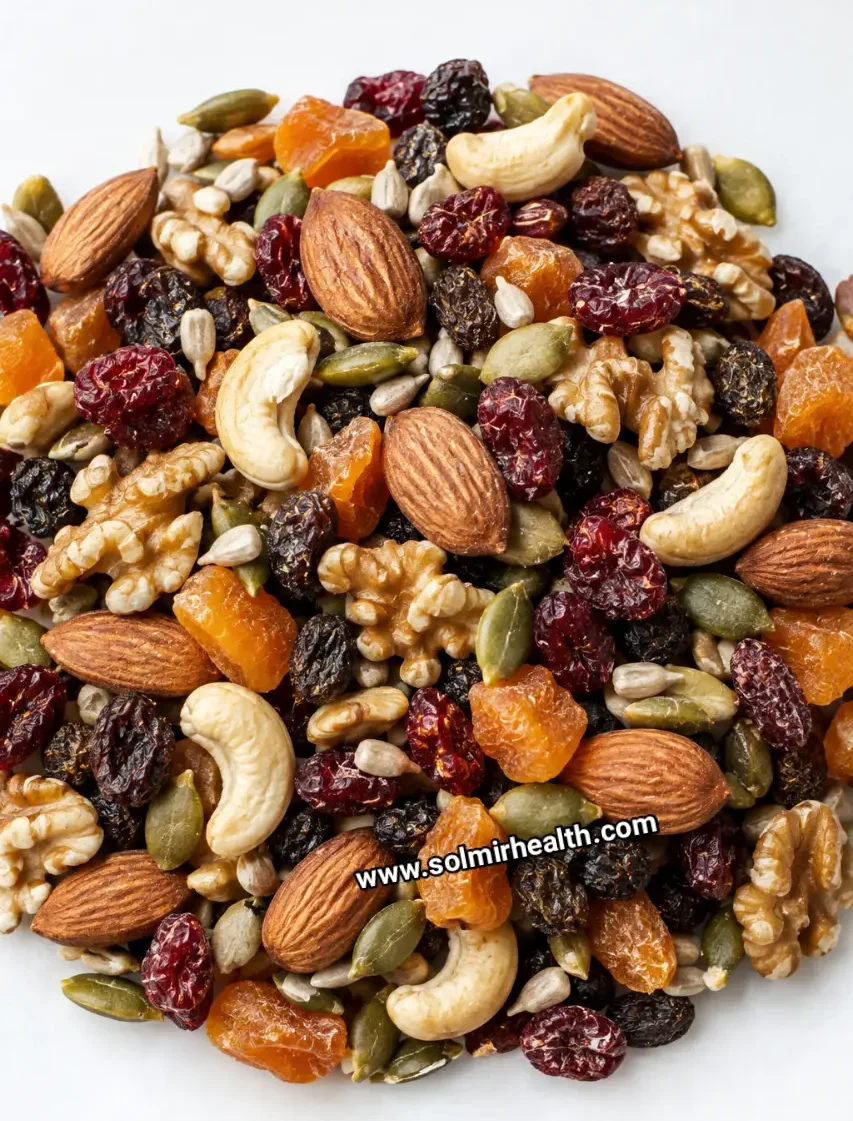
A well-built trail mix combines a few of the foods already on this list, nuts, seeds, and dried fruit, into one portable snack that covers protein, fat, and a touch of natural sweetness in a single handful. Store-bought versions can be heavy on added sugar and chocolate candies, so building your own gives you more control.
Why It’s Helpful
Because it typically combines nuts, seeds, and dried fruit, trail mix offers a mix of protein, fiber, and healthy fat in one snack, making it one of the more balanced grab-and-go options on this list.
Easy Ways to Eat It
Mix almonds, pumpkin seeds, and a small amount of unsweetened dried fruit in bulk, then portion it into individual bags so you’re not tempted to eat straight from a large container.
How to Build Better Healthy Snacks
You don’t have to eat every food on this list to make your snacks more satisfying. A simple approach is to combine two different nutritional strengths when possible. Pair fruit with nuts or yogurt, vegetables with hummus, or popcorn with a small portion of nuts or seeds. This gives you more variety while making the snack feel more substantial.
Portion size still matters, especially with calorie-dense foods such as nuts, seeds, nut butter, and dark chocolate. Keeping individual portions ready in containers or small bags can make healthy snacks easier to grab without turning them into mindless eating.
It is also worth checking labels on packaged foods. Unsalted or lightly salted nuts, plain yogurt, hummus with reasonable sodium, and dark chocolate with a higher cocoa percentage can be useful choices, while heavily sweetened or highly salted versions may not offer the same nutritional advantage.
Final Thoughts
None of these 25 snacks require special equipment or hard-to-find ingredients. Most of them are things you can pick up on a regular grocery run and keep on hand without much thought. The bigger shift usually isn’t finding new foods to try, it’s having a few of them prepped and within reach when hunger actually hits.
The best healthy snacks don’t need to be complicated. Keeping a few fruits, vegetables, nuts, seeds, yogurt, hummus, or other protein-rich options ready to go can make it much easier to choose something nourishing when you get hungry between meals. The American Heart Association similarly recommends nutrient-dense snack choices such as fruits, vegetables, nuts, seeds, yogurt, hummus, roasted chickpeas, and air popped popcorn as part of a healthy eating pattern.
The goal is not perfection. It’s having convenient options that taste good, fit your routine, and help you feel satisfied until your next meal.