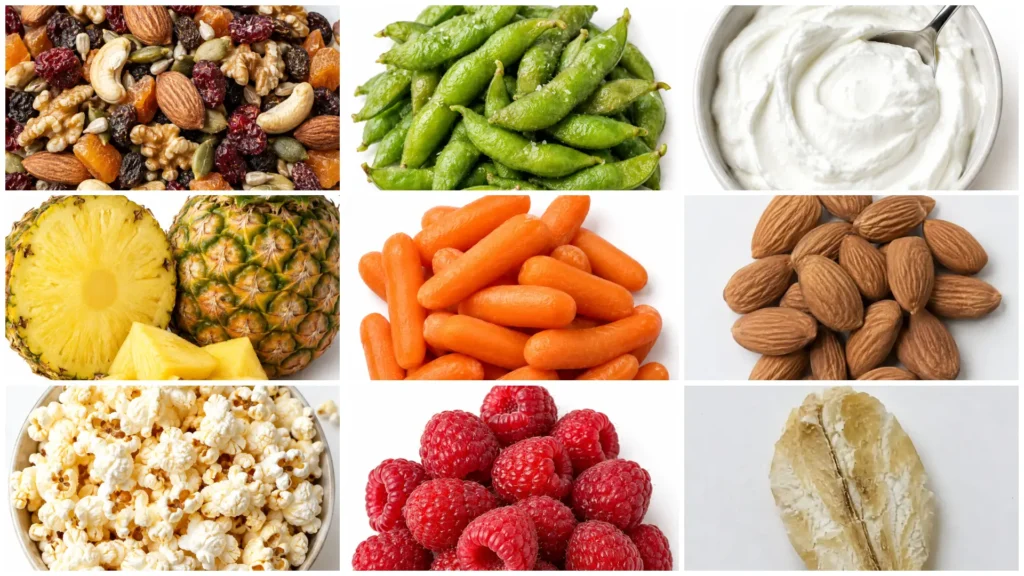
Cholesterol numbers can feel confusing, but the everyday choices behind them are simpler than they seem. Small, consistent swaps in what fills your plate can support healthier cholesterol levels over time, and many of the most useful foods are already sitting on grocery store shelves. This list pulls together twenty everyday options that nutrition research consistently points to as helpful additions for heart health, along with practical ways to work each one into a normal week.
The goal isn’t to rely on one “superfood” or completely change the way you eat overnight. Instead, these foods can become part of a balanced eating pattern that emphasizes fiber-rich plants, unsaturated fats, whole grains, and other foods commonly associated with heart health. Small changes that you can actually maintain tend to be more useful than short-term, restrictive approaches.
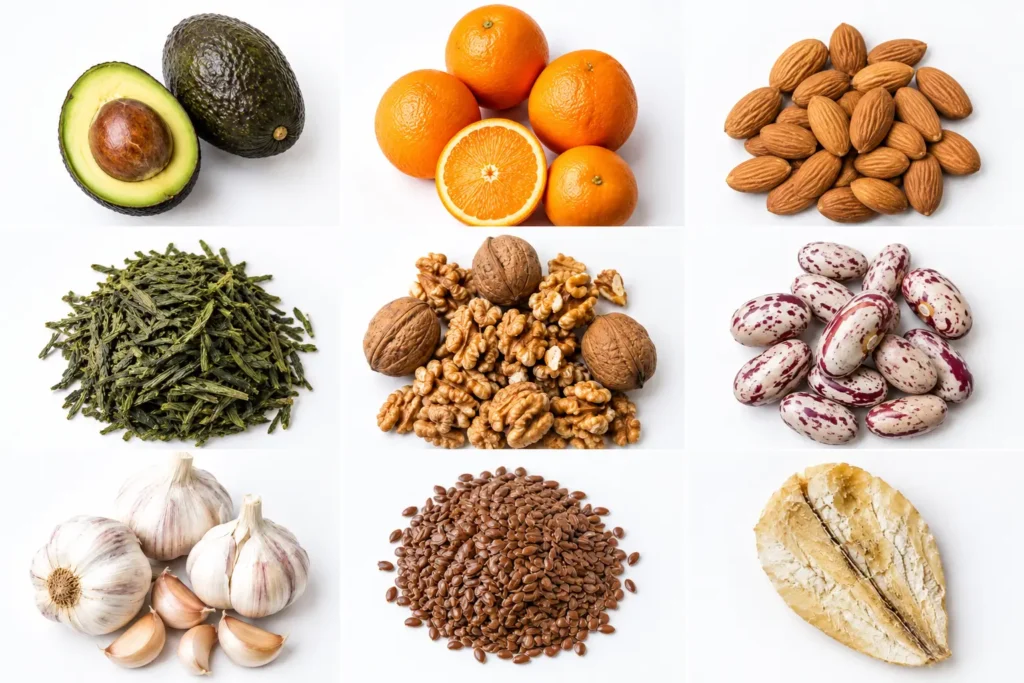
What You’ll Find in This List
Below are twenty foods, organized loosely by category, each with a short explanation of why it belongs on a heart-healthy plate and simple ideas for eating it without overhauling your entire kitchen. None of these foods work as a stand-alone fix, but layered together over weeks and months, they can be a meaningful part of a heart-conscious eating pattern.
You’ll see a mix of whole grains, beans, fruits, vegetables, nuts, seeds, fish, healthy fats, and beverages. The common thread is that these foods can help make meals more nutrient-dense while supporting an overall eating pattern that is friendlier to cardiovascular health. So here are the best foods to lower cholesterol naturally and also much healthy to eat.
Table of Contents
01. Oats

Oats are one of the most well-known starting points for anyone looking to support their cholesterol through diet, largely thanks to a soluble fiber called beta-glucan. This type of fiber forms a gel-like substance in the digestive tract that can bind to cholesterol-containing compounds and help move them out of the body rather than letting them recirculate.
Why It’s Helpful
Beta-glucan fiber is the standout nutrient here. Oats also provide steady, slow-digesting carbohydrates, which means they tend to keep energy levels more even than lower-fiber breakfast options.
Easy Ways to Eat It
A bowl of plain oatmeal topped with fruit and a spoonful of nut butter is the obvious choice, but oats also work well blended into smoothies, mixed into homemade granola, or used as a coating for baked chicken tenders.
02. Beans
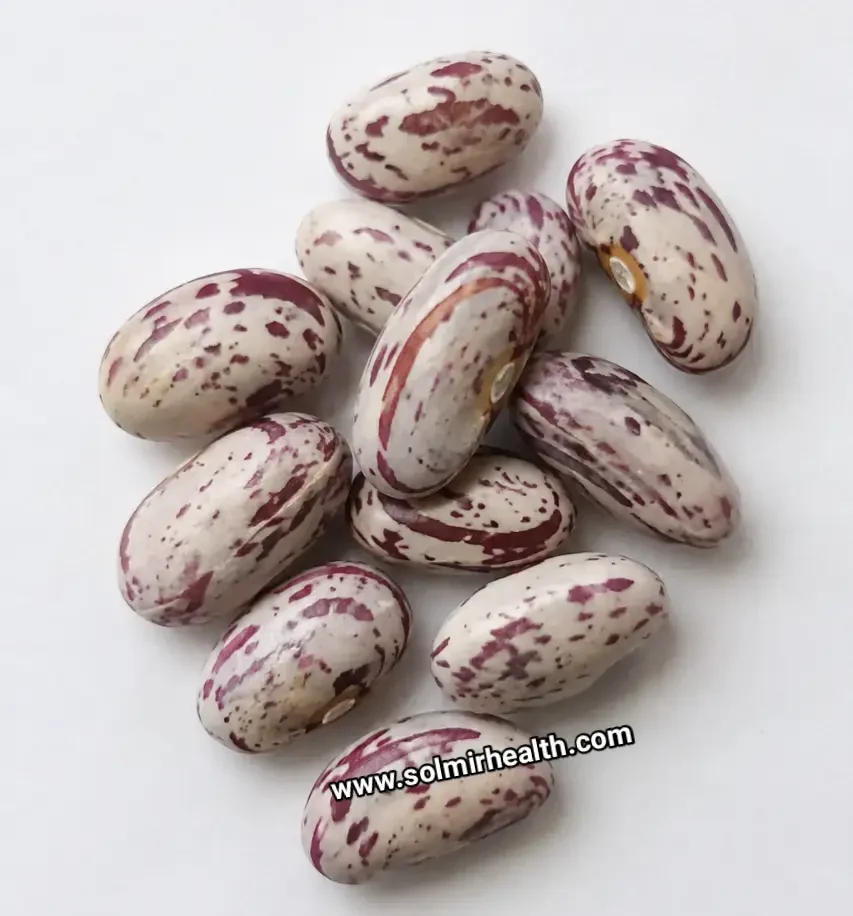
Dried and canned beans, from black beans to kidney beans to chickpeas, are inexpensive, versatile, and packed with the same type of soluble fiber found in oats. Regularly including beans in meals is one of the more affordable ways to add cholesterol-supportive fiber to a weekly routine.
Why It’s Helpful
Beans combine soluble fiber with plant protein, which can make them a satisfying swap for some of the fattier proteins in a typical diet. They’re also naturally low in saturated fat.
Easy Ways to Eat It
Toss rinsed canned beans into soups, grain bowls, or salads. A simple bean chili, a batch of hummus, or beans mashed with lime and cumin for tacos are all low-effort ways to eat more of them.
03. Almonds
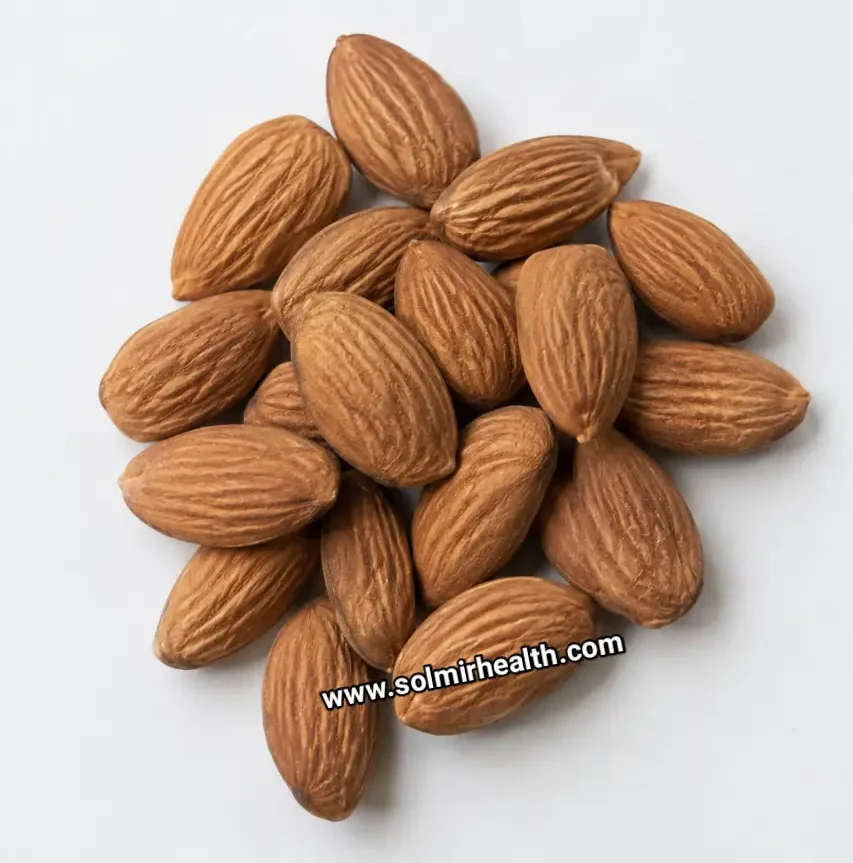
Almonds are a nutrient-dense tree nut that shows up frequently in heart-health research, largely because of their fat profile and fiber content. A small daily handful is generally considered a reasonable portion.
Why It’s Helpful
Almonds are mostly made up of unsaturated fats, along with fiber and plant sterols, a combination that has been studied for its potential role in supporting healthier cholesterol levels when almonds replace less heart-friendly snacks.
Easy Ways to Eat It
Keep raw or dry-roasted almonds on hand for a quick snack, sprinkle sliced almonds over oatmeal or yogurt, or use almond butter on apple slices instead of more processed spreads.
04. Salmon
Salmon is one of the most commonly recommended fish for heart health because of its natural omega-3 fatty acid content. Eating fatty fish like salmon a couple of times a week is a pattern frequently mentioned in heart-healthy eating guidelines.
Why It’s Helpful
Omega-3 fatty acids, particularly EPA and DHA, have been studied for their potential to support healthy triglyceride levels and overall cardiovascular wellness as part of a balanced diet.
Easy Ways to Eat It
A simple baked or pan-seared fillet with lemon and herbs takes under 20 minutes. Canned salmon also works well in salads, patties, or mixed with whole-grain pasta for a quicker weeknight option.
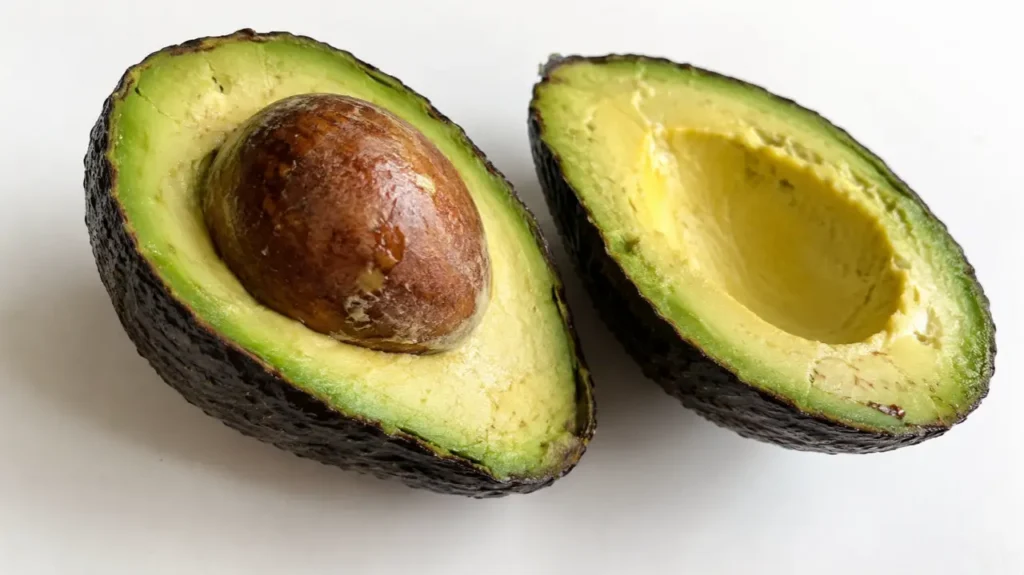
05. Avocado
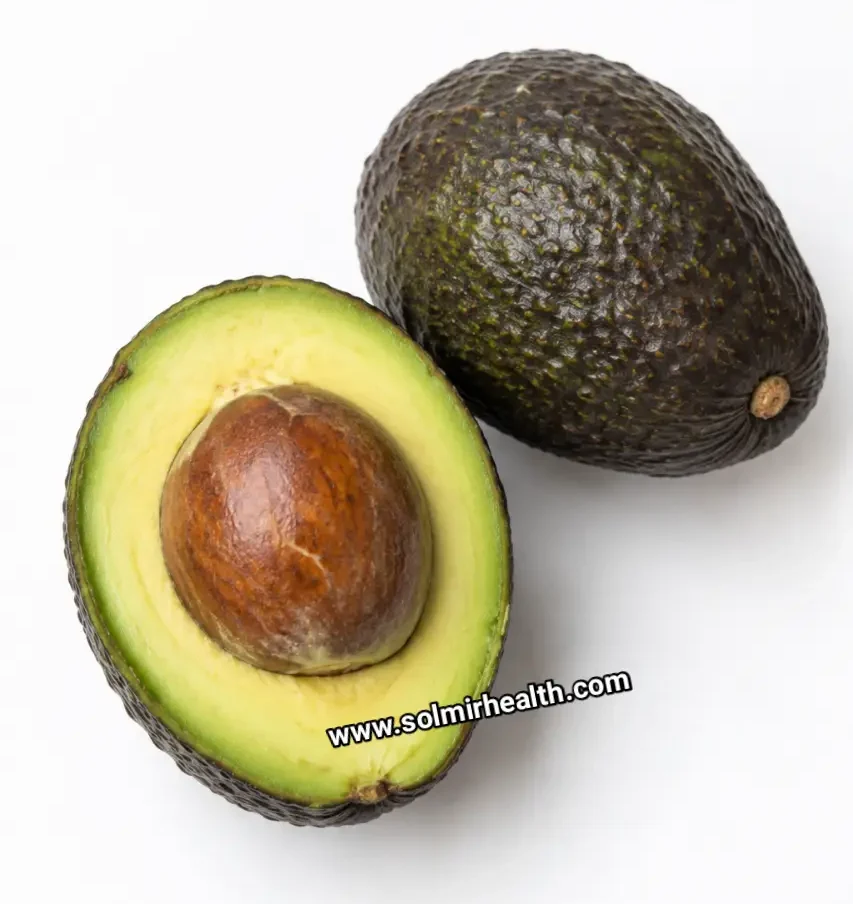
Avocados have become a kitchen staple for good reason. Their creamy texture comes from a fat profile that leans heavily toward the unsaturated kind, making them a useful swap for butter or mayonnaise in many recipes.
Why It’s Helpful
Avocados are rich in monounsaturated fat and also provide fiber, a combination that has been associated with supporting healthier cholesterol balance when used in place of foods higher in saturated fat.
Easy Ways to Eat It
Mash avocado onto whole-grain toast, slice it into salads, blend it into smoothies for creaminess, or use it as a mayonnaise substitute in sandwiches and wraps.
06. Apples
Apples are an easy, portable fruit with a fiber profile worth paying attention to. Much of their soluble fiber, called pectin, is concentrated in and near the skin.
Why It’s Helpful
Pectin is a soluble fiber that can help support healthy cholesterol levels as part of an overall fiber-rich diet. Apples also offer natural sweetness without added sugar, making them a satisfying snack.
Easy Ways to Eat It
Eat apples whole with the skin on for the most fiber, slice them into oatmeal or salads, or pair a sliced apple with a small handful of almonds for a balanced snack.
07. Flaxseeds
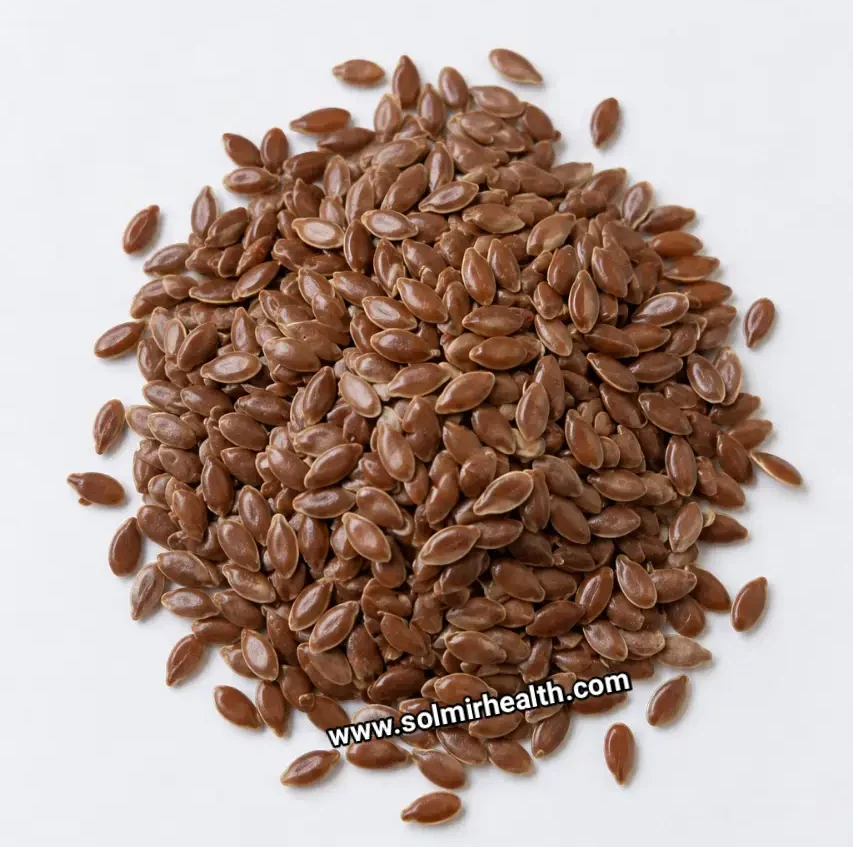
Flaxseeds are tiny but nutritionally dense, offering a combination of fiber and plant-based omega-3 fat called ALA. Ground flaxseed is generally easier for the body to make use of than whole seeds.
Why It’s Helpful
The soluble fiber and ALA fat in flaxseeds have both been studied for potential roles in supporting cardiovascular health, making them a popular add-in for people focused on heart-conscious eating.
Easy Ways to Eat It
Stir a tablespoon of ground flaxseed into oatmeal, smoothies, or yogurt. It also works well mixed into muffin or pancake batter for an easy nutritional boost.
08. Broccoli
Broccoli is a fiber-rich cruciferous vegetable that shows up on nearly every heart-healthy food list, and for good reason. It’s low in calories while offering meaningful fiber and a range of vitamins.
Why It’s Helpful
The fiber in broccoli contributes to the overall fiber content of the diet and can be part of an eating pattern that supports healthy cholesterol levels. It also provides vitamin C and other beneficial plant compounds.
Easy Ways to Eat It
Roast broccoli florets with olive oil and garlic, steam them as a simple side, or chop raw broccoli into salads and grain bowls for added crunch.
09. Grapes
Grapes offer a naturally sweet way to add fiber and beneficial plant compounds called polyphenols to a snack routine. Their skins, in particular, contain much of their nutritional value.
Why It’s Helpful
Polyphenols found in grapes, especially in red and purple varieties, have been studied for their potential antioxidant properties and possible supportive role in cardiovascular health.
Easy Ways to Eat It
Keep a bowl of washed grapes in the fridge for easy snacking, freeze them for a cool treat, or add halved grapes to chicken or grain salads for natural sweetness.
10. Olive Oil
Olive oil, especially extra-virgin olive oil, is a foundational ingredient in Mediterranean-style eating patterns that are frequently associated with heart health. Using it in place of butter or other saturated fats is a common recommendation.
Why It’s Helpful
Olive oil is high in monounsaturated fat and contains polyphenols that have been researched for their potential antioxidant and anti-inflammatory properties, both relevant to cardiovascular wellness.
Easy Ways to Eat It
Use olive oil as your primary cooking fat, drizzle it over roasted vegetables, or whisk it into a simple vinaigrette instead of reaching for bottled, processed dressings.
11. Walnuts
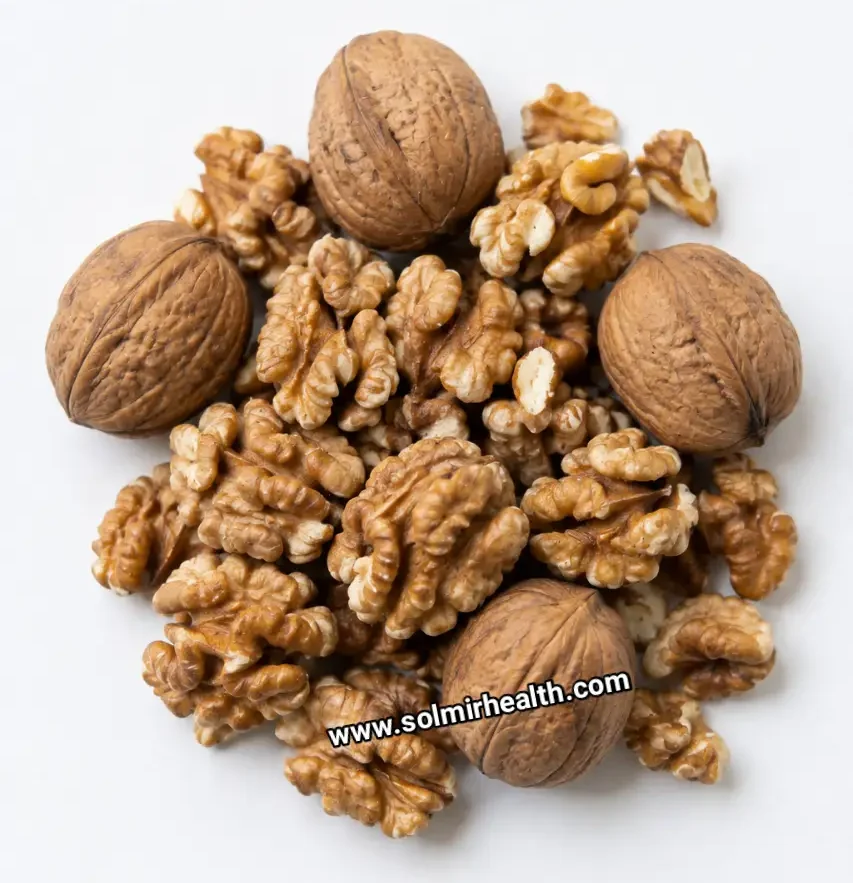
Walnuts stand out among tree nuts for their omega-3 fatty acid content, which is less common in nuts overall. A small daily portion is typically all that’s needed to benefit from their nutrient profile.
Why It’s Helpful
Walnuts provide a combination of unsaturated fats, including plant-based omega-3s, along with fiber. This profile has made them one of the more frequently studied nuts in heart-health research.
Easy Ways to Eat It
Add chopped walnuts to oatmeal, salads, or roasted vegetables, or keep a small portion on hand as a standalone snack in place of chips or crackers.
12. Strawberries
Strawberries bring both fiber and a group of plant compounds called anthocyanins to the table, giving them a place among heart-supportive fruits. Their naturally sweet flavor makes them an easy addition to daily eating.
Why It’s Helpful
Anthocyanins, the compounds responsible for strawberries’ red color, have been studied for potential antioxidant properties that may support cardiovascular health as part of a varied diet.
Easy Ways to Eat It
Slice strawberries over yogurt or oatmeal, blend them into smoothies, or simply enjoy a bowl of fresh strawberries as a naturally sweet snack.
13. Barley
Barley is a whole grain that, like oats, contains a meaningful amount of beta-glucan fiber. It has a hearty, chewy texture that makes it a satisfying base for soups and grain bowls.
Why It’s Helpful
The soluble fiber in barley works similarly to that in oats, potentially helping support healthy cholesterol levels when included regularly as part of a fiber-focused diet.
Easy Ways to Eat It
Use barley in place of rice in soups and stews, toss cooked barley into a grain salad with vegetables, or serve it warm as a simple side dish.
14. Oranges
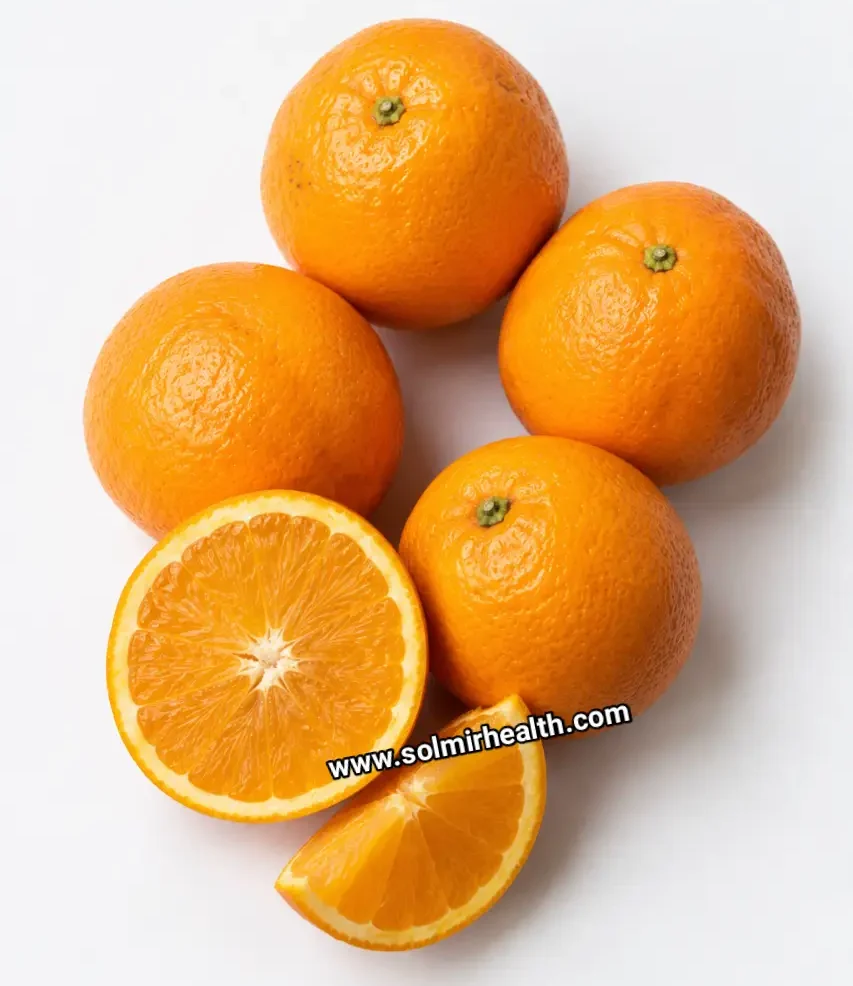
Oranges combine vitamin C, fiber, and natural sweetness in a familiar, easy-to-eat package. Eating the whole fruit rather than just drinking juice preserves more of its fiber content.
Why It’s Helpful
The fiber in whole oranges, along with plant compounds called flavonoids, has been studied for potential roles in supporting cardiovascular health and healthy cholesterol balance.
Easy Ways to Eat It
Eat oranges whole as a snack, segment them into salads for a citrus note, or slice them alongside other fruit for an easy side at breakfast.
15. Spinach
Spinach is a leafy green that’s easy to add to almost any meal without changing much about how it tastes. It’s low in calories while offering fiber, plant compounds, and a range of vitamins.
Why It’s Helpful
Leafy greens like spinach contain lutein and other plant compounds that have been studied for their potential role in supporting cardiovascular health, alongside their fiber and nutrient content.
Easy Ways to Eat It
Add raw spinach to sandwiches and salads, blend a handful into smoothies where it’s barely noticeable, or sauté it quickly with garlic as a simple side dish.
16. Dark Chocolate
Dark chocolate, particularly varieties with a high cocoa percentage, contains flavonoid compounds that have drawn interest in heart-health research. Moderation matters here, since dark chocolate still contains calories and some saturated fat.
Why It’s Helpful
Cocoa flavonoids have been studied for their potential antioxidant properties and possible supportive role in healthy blood vessel function, though dark chocolate should be enjoyed in modest amounts.
Easy Ways to Eat It
A square or two of dark chocolate, 70% cocoa or higher, after a meal, or shaved dark chocolate over fruit, are simple ways to include it without overdoing portion size.
17. Garlic
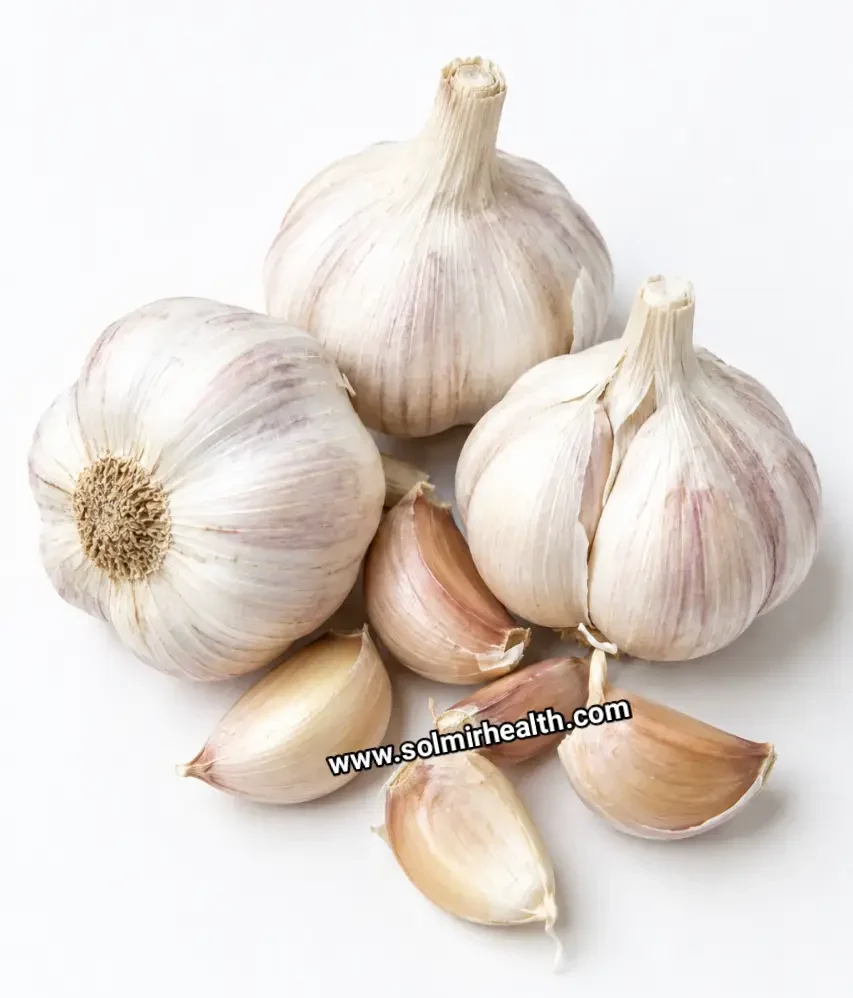
Garlic is a pantry staple that adds flavor to nearly any savory dish while also contributing beneficial plant compounds, particularly when it’s chopped or crushed and allowed to sit briefly before cooking.
Why It’s Helpful
Compounds formed when garlic is crushed, such as allicin, have been researched for a potential supportive role in cardiovascular health, though effects can vary based on preparation and amount used.
Easy Ways to Eat It
Mince fresh garlic into stir-fries, roasted vegetables, soups, and marinades. Letting minced garlic rest for a few minutes before cooking may help preserve more of its beneficial compounds.
18. Tomatoes
Tomatoes are a familiar, versatile fruit, botanically speaking, that bring lycopene, fiber, and vitamin C to the table. Cooked tomatoes, such as in sauces, can make lycopene more available to the body.
Why It’s Helpful
Lycopene, the pigment that gives tomatoes their red color, has been studied for its antioxidant properties and possible relevance to cardiovascular health as part of an overall balanced diet.
Easy Ways to Eat It
Add sliced tomatoes to sandwiches and salads, simmer them into a homemade sauce, or roast cherry tomatoes with olive oil as a simple side dish.
19. Carrots
Carrots offer a good source of fiber along with beta-carotene, the plant compound responsible for their orange color. They’re inexpensive, easy to store, and require little preparation to enjoy.
Why It’s Helpful
The soluble fiber in carrots, combined with beta-carotene and other plant compounds, contributes to an overall dietary pattern that supports cardiovascular wellness when eaten regularly.
Easy Ways to Eat It
Snack on raw carrot sticks with hummus, roast carrots with olive oil and herbs, or shred them into salads and slaws for added crunch and color.
20. Green Tea
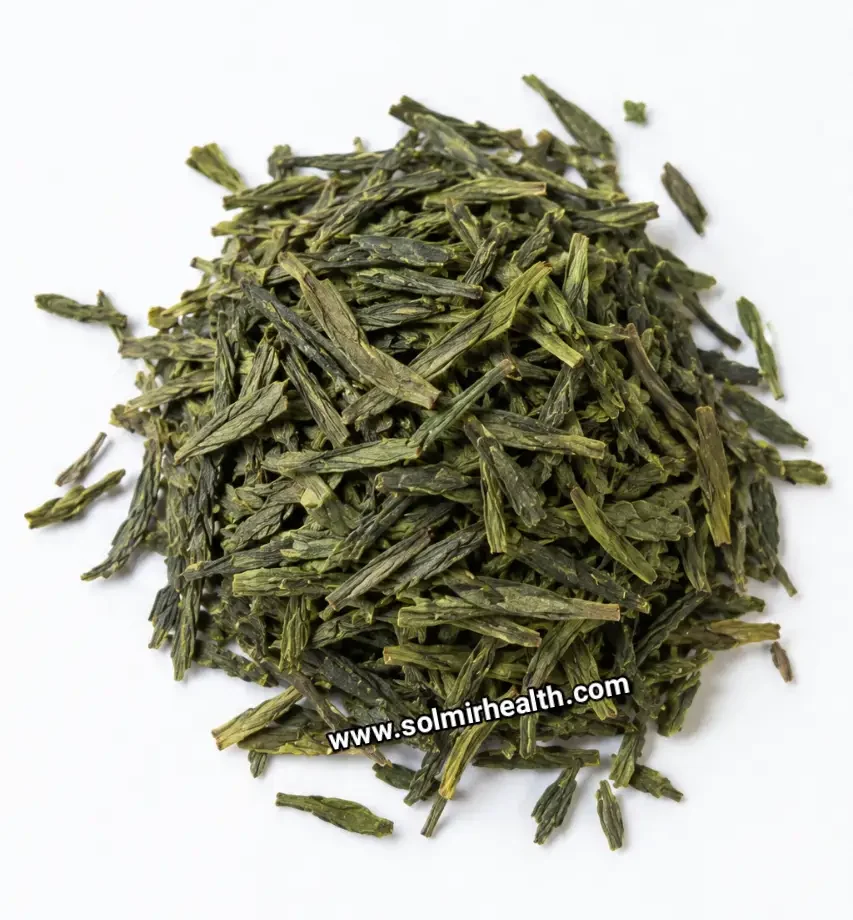
Green tea is a simple beverage swap that brings polyphenols called catechins into the diet without added sugar or calories, assuming it’s brewed plain rather than heavily sweetened.
Why It’s Helpful
Catechins in green tea have been studied for their antioxidant properties and a potential supportive role in cardiovascular health, making it a reasonable substitute for sugary drinks.
Easy Ways to Enjoy It
Brew a cup of green tea in place of a sugary afternoon drink, enjoy it iced in warmer months, or use cooled green tea as a base for a simple fruit-infused drink.
How to Make These Foods Part of Your Week
You don’t need to eat all twenty foods every day to make this list useful. A more realistic approach is to build a few of them into meals you already enjoy. Start with oatmeal and fruit at breakfast, beans or whole grains at lunch, vegetables and salmon at dinner, and nuts or fruit as snacks.
It can also help to think in terms of substitutions rather than additions. Use olive oil instead of butter, avocado instead of mayonnaise, beans instead of some higher-saturated-fat protein choices, and whole fruit instead of juice or sugary snacks. These small changes can make a heart-conscious eating pattern easier to maintain without making meals feel restrictive.
Final Thoughts
None of these twenty foods work in isolation, and no single ingredient will transform cholesterol numbers overnight. What tends to matter more is the overall pattern: leaning toward fiber-rich plants, healthy fats, and fatty fish, while gradually crowding out foods higher in saturated fat. Bringing a few of these into your regular rotation each week is a realistic, sustainable way to build toward better heart health over time. As always, anyone with existing cholesterol concerns should work with their doctor or a registered dietitian to build a plan suited to their specific health needs.
The most useful takeaway is that eating for healthier cholesterol doesn’t have to mean giving up everything you enjoy. Oats, beans, fruit, vegetables, nuts, seeds, olive oil, and fatty fish can all fit naturally into everyday meals. The more consistently these kinds of foods replace less heart-friendly choices, the more practical and sustainable the overall approach becomes.