If you’ve cut gluten from your kitchen but still crave something warm and foldable at dinner, gluten free flatbread recipes are one of the easiest fixes you can make without buying a single specialty product. Every recipe here starts from a different base, almond flour, coconut flour, cauliflower, chickpea flour, zucchini, flaxseed, and sweet potato, so you end up with seven genuinely different textures and flavors rather than seven versions of the same thing. Some are soft enough to wrap around a taco filling, some crisp up more like a cracker style crust, and a couple sit somewhere in between, perfect alongside a bowl of soup or a plate of dip.
None of these need a stand mixer, a specialty flour blend, or an afternoon of prep. A mixing bowl, a skillet or a sheet pan, and about 20 to 30 minutes is really all it takes.
What You’ll Get
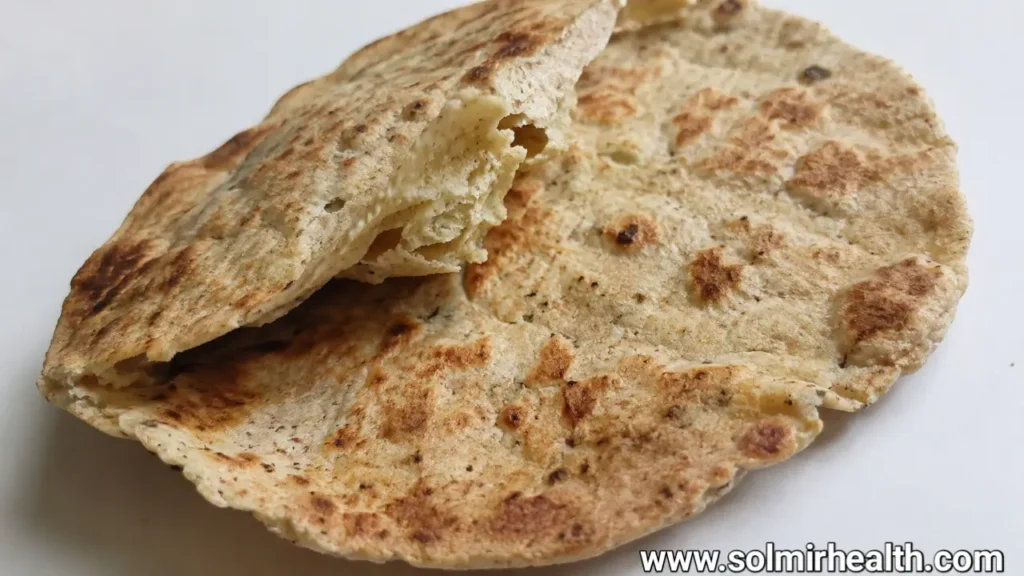
By the end of this guide, you’ll have seven complete flatbread recipes to rotate through depending on what you’re craving or what you already have in the pantry. You’ll also come away with a working sense of how each gluten free flour behaves, which ones need extra moisture squeezed out, which ones firm up as they cool, and which ones are the most forgiving for a first attempt. That knowledge carries over into other gluten free baking too, so even if flatbread isn’t a weekly habit for you, understanding why almond flour dough behaves differently from a chickpea batter will make future recipes easier to troubleshoot.
Table of Contents
A Few Notes Before You Start
Gluten free flours don’t behave like wheat flour, and treating them the same way is the most common reason a first attempt turns out gummy, crumbly, or flat in the wrong sense of the word. Wheat flour flatbreads rely on gluten strands to stay stretchy and hold air. None of the flours below have that structure, so each recipe leans on a different binder instead, eggs, psyllium husk, melted cheese, or the natural gel that ground flaxseed forms in water. Understanding that one shift changes how you should think about substitutions: you generally can’t swap one gluten free flour for another cup for cup and expect the same result, because you’re not just changing flavor, you’re changing the entire binding mechanism.
A kitchen scale isn’t required for any of these, but if you bake gluten free often, it’s worth the investment. Almond flour in particular can vary quite a bit by brand and how finely it’s ground, and a scale removes the guesswork that measuring cups introduce.
1. Almond Flour Flatbread
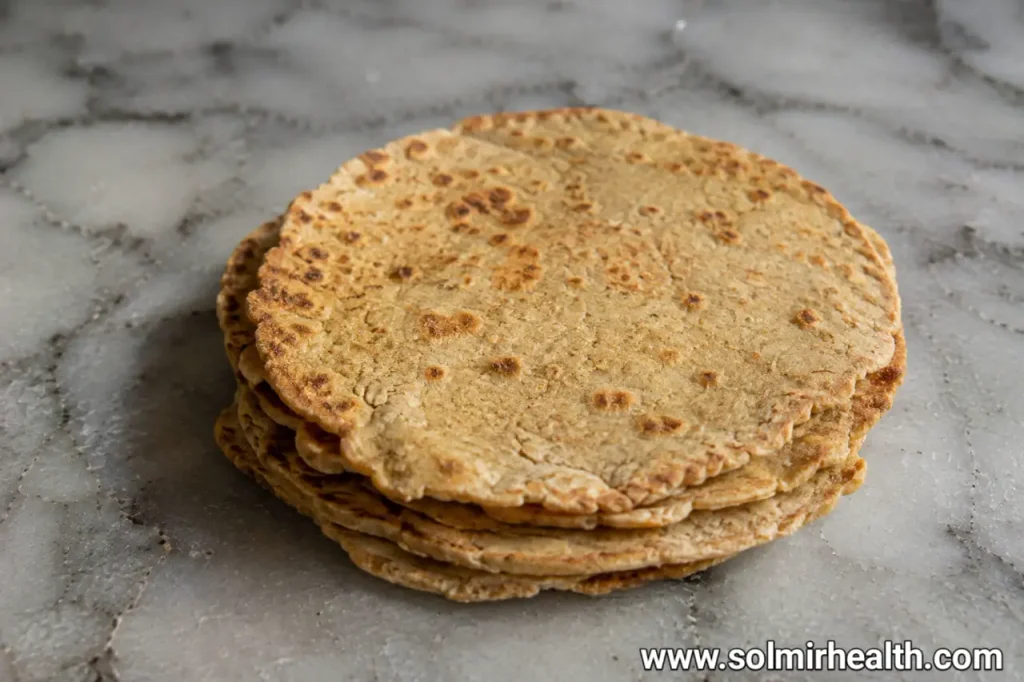
Almond flour flatbread is the closest thing on this list to a traditional soft flatbread, with a mild, nutty flavor and enough structure to fold around a filling without falling apart. It’s a good starting point if you’ve never worked with gluten free flours before, since the dough is easy to handle and forgiving of small measuring errors.
Ingredients
1 cup blanched almond flour
2 large eggs
1 tablespoon olive oil
1/2 teaspoon garlic powder
1/4 teaspoon salt
How To Make Almond Flour Flatbread
- Whisk the eggs and olive oil together in a bowl, then stir in the almond flour, garlic powder, and salt until a soft, slightly sticky dough comes together.
- Divide the dough into two portions. Place each between two sheets of parchment paper and roll or press into a thin round, about 1/4 inch thick.
- Heat a dry non stick or cast iron skillet over medium heat. Peel back the top sheet of parchment, flip the dough into the pan, then peel away the second sheet.
- Cook for 2 to 3 minutes per side, until golden spots appear and the flatbread is firm enough to flip without tearing.
- Let it cool for a minute or two before folding. Almond flour flatbread firms up noticeably as it cools, so it’s more pliable warm than it looks straight out of the pan.
If the dough feels too sticky to roll out, chill it for 10 minutes first. Almond flour dough softens quickly at room temperature, and a short rest in the fridge makes it much easier to work with.
2. Coconut Flour Wraps
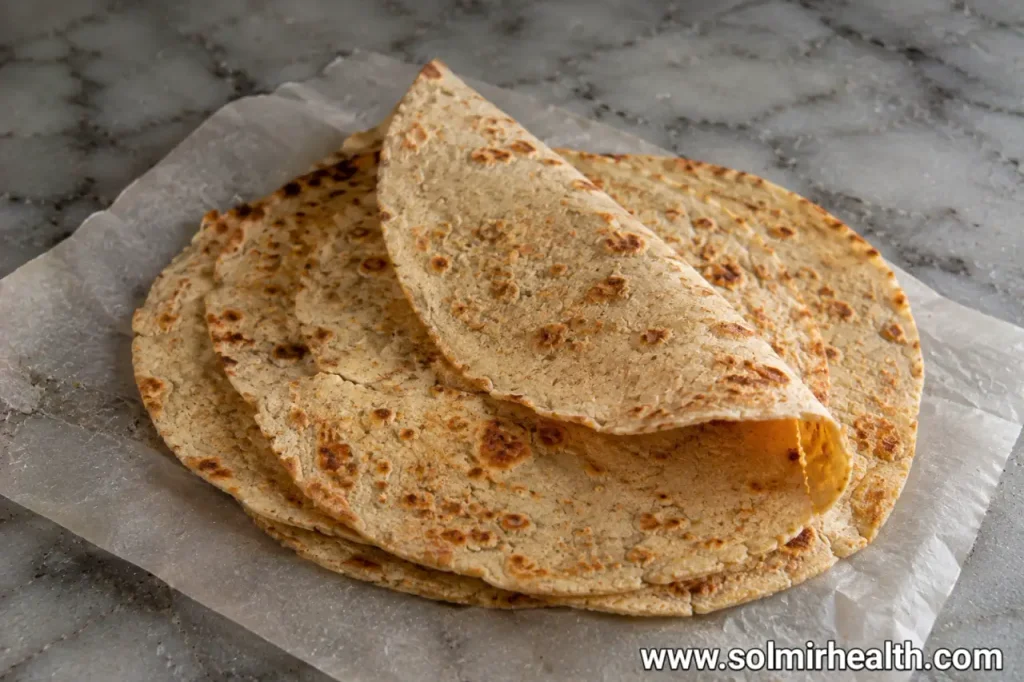
Coconut flour is extremely absorbent, so the batter for these wraps looks thin and almost watery at first. That’s expected. Once it rests and hits the pan, it cooks into a soft, pliable wrap that holds up surprisingly well around vegetables, shredded chicken, or scrambled eggs without tearing.
Ingredients
1/4 cup coconut flour
3 large eggs
1 tablespoon psyllium husk powder
1/3 cup water
Pinch of salt
How To Make Coconut Flour Wraps
- Whisk the eggs, water, and psyllium husk powder together first, then sift in the coconut flour and salt so it doesn’t clump.
- Let the batter rest for 5 minutes. The psyllium husk will thicken it into something closer to a pourable pancake batter.
- Lightly grease a non stick skillet over medium low heat, pour in a thin layer of batter, and swirl the pan so it spreads evenly.
- Cook for about 2 minutes per side, until the edges lift easily and the surface looks dry rather than glossy.
- Stack the finished wraps between paper towels as they cool, which helps trap a little steam and keeps them soft instead of drying out.
If your wraps come out gummy in the middle, the batter was probably poured too thick. Aim for something closer to a crepe than a pancake, thinner than feels intuitive.
3. Cauliflower Flatbread
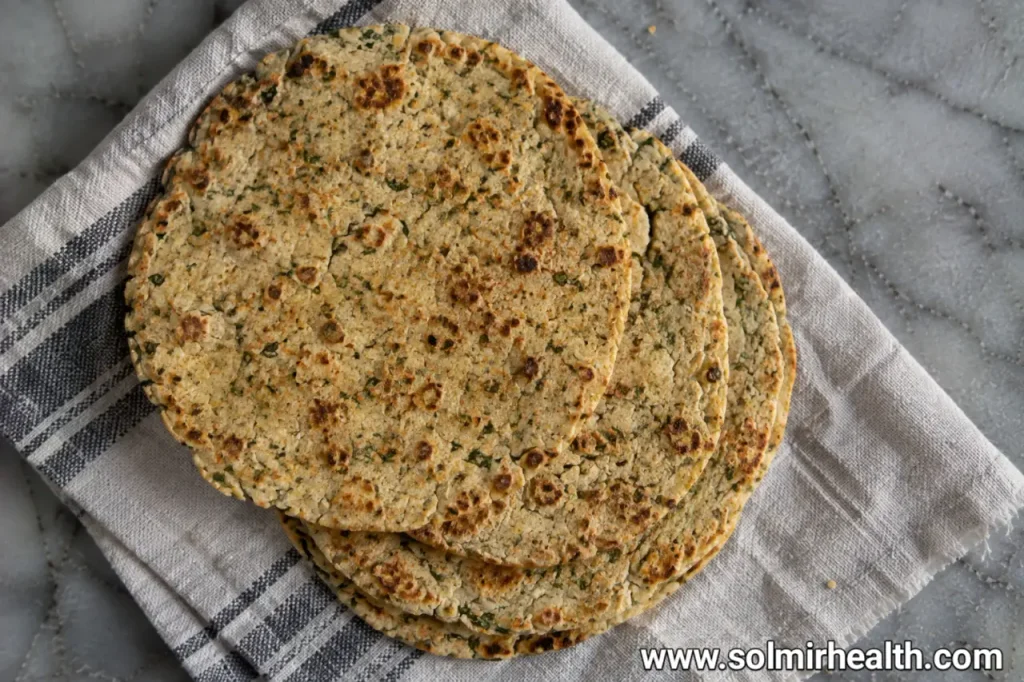
Cauliflower flatbread is the lowest carb option here, and the texture lands closer to a thin pizza crust than a soft wrap. The single most important step is squeezing out excess moisture from the cauliflower rice. Skip it, and the flatbread turns soggy no matter how long you bake it.
Ingredients
2 cups riced cauliflower, steamed and cooled
1 large egg
1/4 cup shredded mozzarella
1 tablespoon chopped fresh herbs such as parsley, basil, or a mix
1/4 teaspoon salt
How To Make Cauliflower Flatbread
- Preheat the oven to 425°F and line a baking sheet with parchment paper.
- Wrap the steamed, cooled cauliflower rice in a clean kitchen towel and squeeze firmly over the sink until no more liquid comes out. This step determines whether the flatbread holds together, so don’t rush it.
- In a bowl, combine the dried cauliflower with the egg, mozzarella, herbs, and salt, mixing until evenly distributed.
- Press the mixture onto the parchment in a round about 1/4 inch thick, keeping the edges roughly even so it bakes at the same rate throughout.
- Bake for 20 minutes, until golden at the edges and firm to the touch, then let it cool for a few minutes before lifting it off the parchment.
For a crisper edge, finish it under the broiler for the last 1 to 2 minutes. Watch it closely during this step, since cauliflower can go from golden to burnt quickly under direct heat.
4. Chickpea Flour Socca
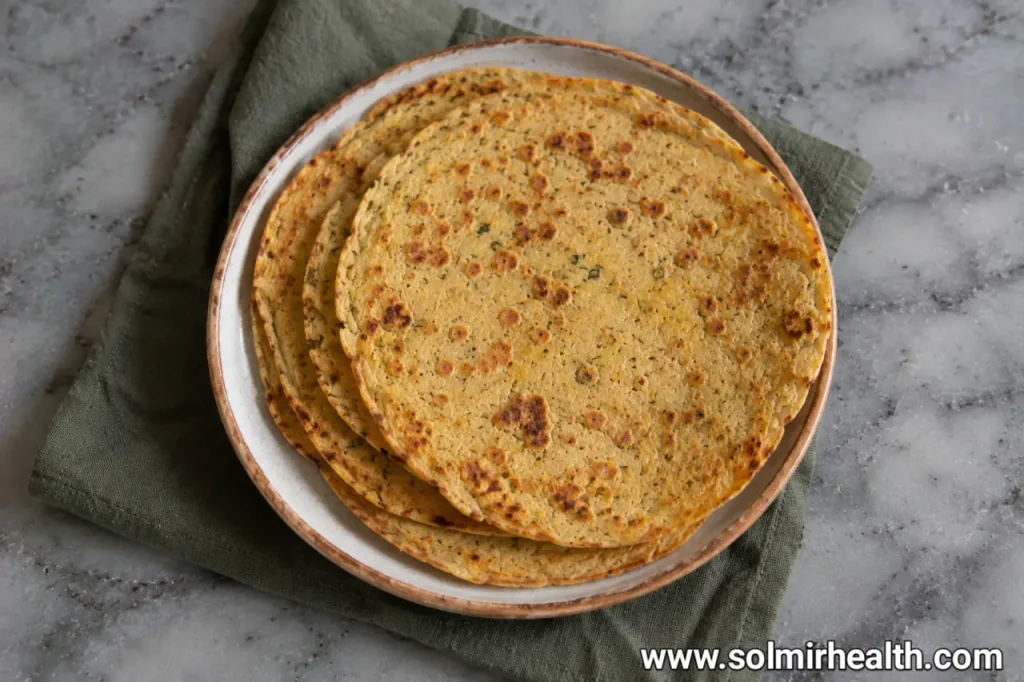
Socca is a Mediterranean flatbread that’s been naturally gluten free for centuries, long before gluten free eating became a mainstream category. It needs almost no active prep, just a whisk, a rest, and a hot pan, which makes it one of the easiest recipes on this list for a weeknight.
Ingredients
1 cup chickpea flour
1 cup water
2 tablespoons olive oil, divided
1/2 teaspoon salt
1 teaspoon chopped fresh rosemary
How To Make Chickpea Flour Socca
- Whisk the chickpea flour, water, 1 tablespoon of olive oil, and salt together until smooth, then let the batter rest at room temperature for at least 30 minutes. Resting it up to 2 hours improves the texture further if you have the time.
- Preheat the oven to 450°F with a cast iron skillet inside so it heats along with the oven.
- Carefully remove the hot skillet, add the remaining tablespoon of olive oil, and swirl to coat the bottom and sides.
- Pour in the batter, sprinkle with rosemary, and bake for 10 to 12 minutes, until the edges turn crisp and the center is set rather than jiggly.
- Cut into wedges and serve warm, ideally straight from the pan.
Socca is naturally thin and a little chewy in the center. If you’d prefer something thicker and more bread like, use a smaller skillet so the same amount of batter sits deeper.
5. Zucchini Herb Flatbread
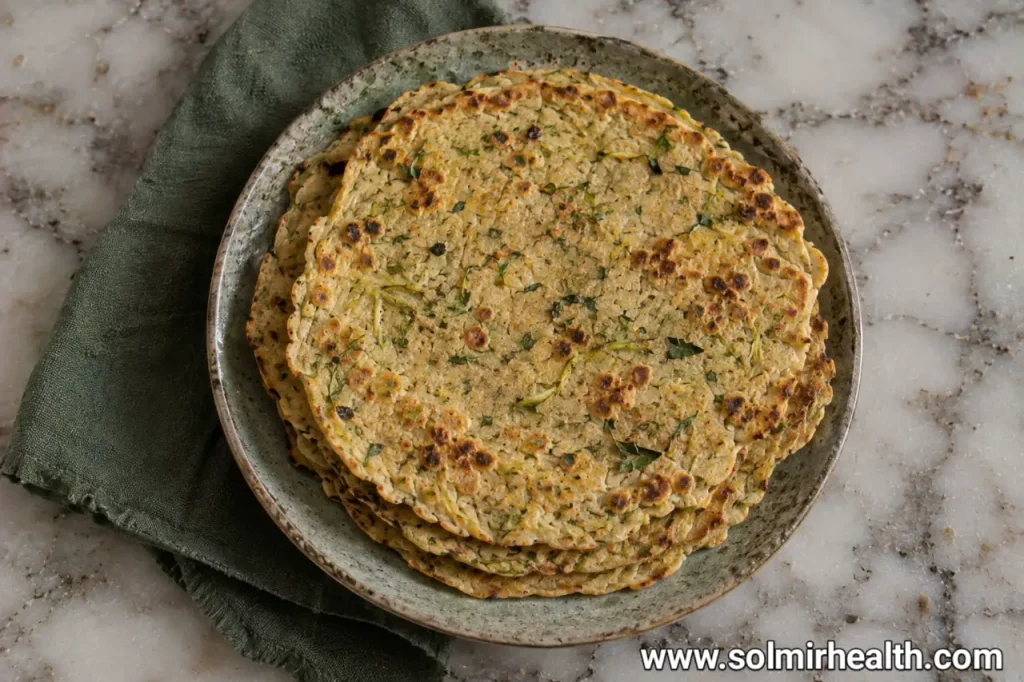
Shredded zucchini brings moisture and a mild vegetable sweetness to this one, which makes it one of the softer options in the lineup. It pairs especially well with fresh herbs, since zucchini’s flavor is mild enough to let them come through clearly.
Ingredients
1 medium zucchini, shredded and squeezed dry
1 cup almond flour
2 large eggs
2 tablespoons chopped fresh herbs such as basil, oregano, or dill
1/4 teaspoon salt
How To Make Zucchini Herb Flatbread
- Preheat the oven to 400°F and line a baking sheet with parchment paper.
- Shred the zucchini, then squeeze it thoroughly in a clean kitchen towel to remove as much liquid as possible. Skipping this step is the single most common cause of a soggy zucchini flatbread.
- Combine the zucchini with the almond flour, eggs, herbs, and salt until evenly mixed.
- Spread the mixture into an oval or round shape, about 1/3 inch thick, directly on the parchment.
- Bake for 20 to 25 minutes, until the top turns golden and the center feels firm rather than springy.
This flatbread is delicate straight out of the oven, so give it 5 minutes to rest before slicing or moving it to a plate.
6. Flaxseed Flatbread
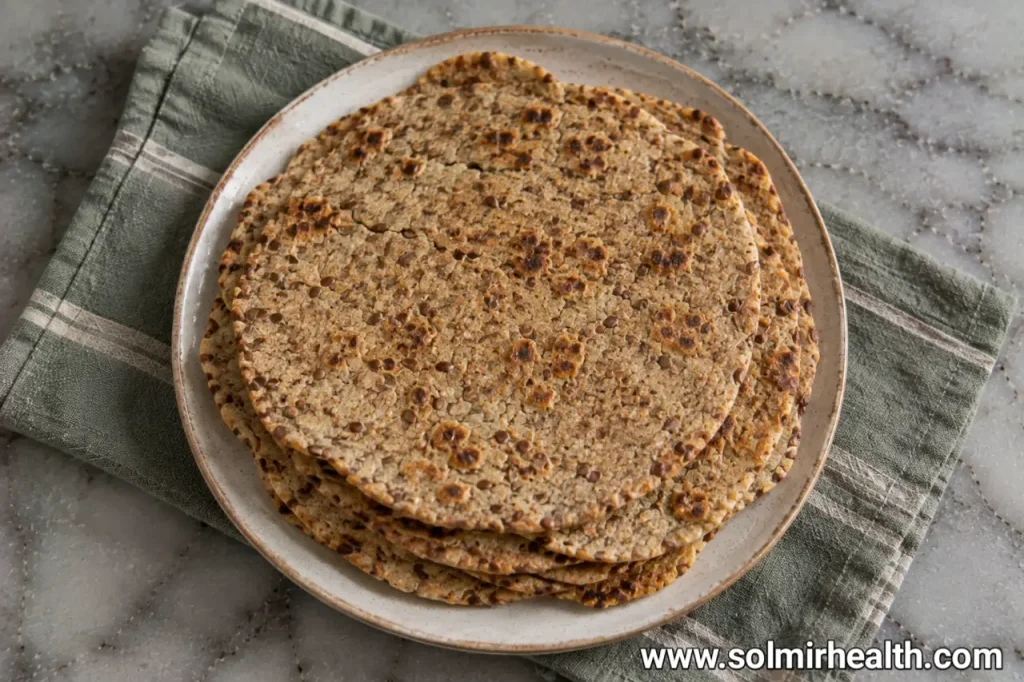
Ground flaxseed forms a natural gel as soon as it meets liquid, and that gel is what holds this flatbread together instead of eggs or cheese alone. The result has a chewy, slightly earthy character that’s distinct from anything else on this list, along with a solid amount of fiber from the flax itself.
Ingredients
1 cup ground flaxseed, flaxseed meal
1/2 cup warm water
1 large egg
1 tablespoon olive oil
1/2 teaspoon baking powder
Pinch of salt
How To Make Flaxseed Flatbread
- Stir the flaxseed meal and warm water together and let the mixture sit for 5 minutes until it thickens into a gel like consistency.
- Whisk in the egg, olive oil, baking powder, and salt.
- Spread the batter thinly onto a parchment lined baking sheet, or straight into a greased skillet if you’d rather cook it on the stovetop.
- If baking, cook at 375°F for about 15 minutes, until firm. On the stovetop, cook over medium low heat for 3 to 4 minutes per side.
- Let it cool for a few minutes before serving. Like the almond flour version, flaxseed flatbread firms up noticeably as it cools, so don’t judge doneness while it’s still hot.
Ground flaxseed goes rancid faster than most flours because of its oil content, so keep it refrigerated and use it within a few months of opening for the best flavor.
7. Sweet Potato Flatbread
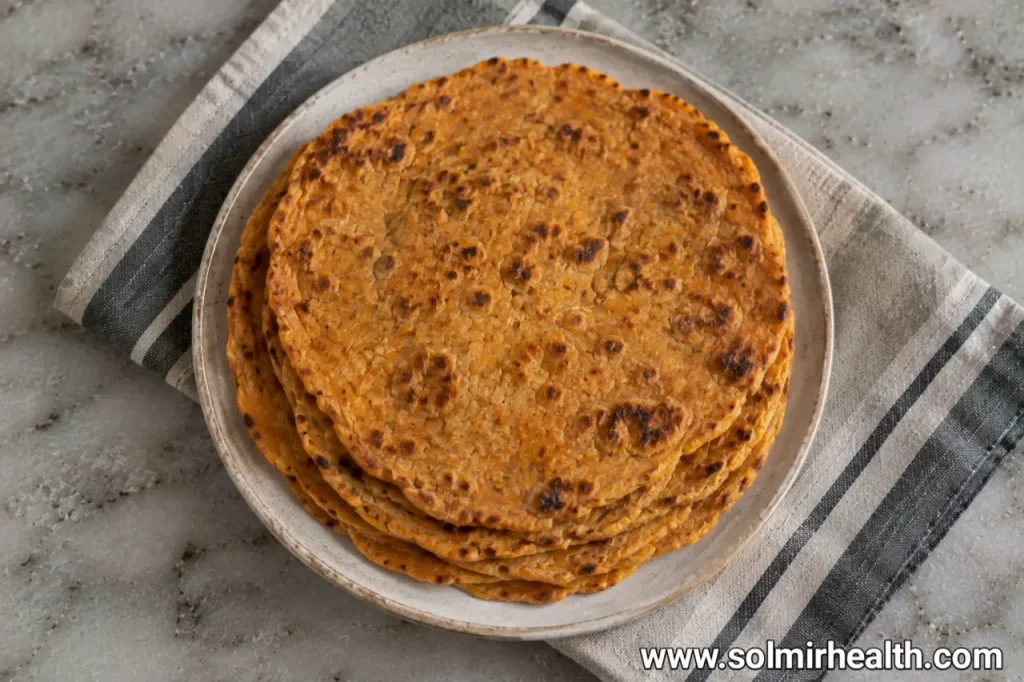
Mashed sweet potato adds natural sweetness and a soft, pliable texture that makes this flatbread especially good for wrapping around savory fillings. The sweetness plays well against something like spiced ground meat or roasted vegetables.
Ingredients
1 cup mashed cooked sweet potato, cooled
1 cup almond flour
1 large egg
1/2 teaspoon ground cumin
1/4 teaspoon salt
How To Make Sweet Potato Flatbread
- In a bowl, mix the mashed sweet potato, almond flour, egg, cumin, and salt into a soft, workable dough.
- Divide the dough into 3 to 4 portions and pat each into a flat round about 1/4 inch thick, either by hand or between sheets of parchment paper.
- Heat a lightly oiled skillet over medium heat and cook each round for 3 to 4 minutes per side, until browned in spots and cooked through in the center.
- Transfer each finished round to a plate and cover loosely with a towel to keep it soft while you cook the rest.
If the dough feels too wet to shape, add almond flour a tablespoon at a time until it holds together without sticking to your hands. Sweet potatoes vary quite a bit in moisture content, so don’t be surprised if you need a little more or less than the recipe calls for.
Ingredient Guidance and Substitutions
A few of these recipes share ingredients, which makes swapping between them easier once you’ve made one or two. Almond flour appears in three recipes here, and it’s worth buying the finely ground, blanched version rather than almond meal. The coarser texture of almond meal makes for a grittier flatbread that doesn’t hold together as well.
Psyllium husk powder, used in the coconut flour wraps, can sometimes be swapped for a bit more egg if you can’t find it, though the texture will be noticeably less pliable. If you do pick some up, a small container lasts a long time since only a tablespoon is needed per batch.
For the socca and flaxseed recipes, ordinary olive oil works fine, but a slightly more assertive extra virgin oil brings out more flavor in a recipe with so few ingredients to hide behind.
Storage and Reheating
Most of these flatbreads keep well in an airtight container in the refrigerator for 3 to 4 days. The egg based versions, almond flour, zucchini, sweet potato, and flaxseed, also freeze well when separated by sheets of parchment paper, and they’ll keep in the freezer for up to 2 months without much change in texture.
To reheat, a dry skillet or a 350°F oven for a few minutes brings back the texture best. Microwaving tends to make gluten free flatbreads chewy rather than soft, since the moisture redistributes unevenly, so it’s worth the extra few minutes to use the oven or stovetop instead, especially if you’re planning to fold the flatbread around a filling.
Troubleshooting Common Issues
If a flatbread cracks when you try to fold it, it’s usually either underbaked in the center or was rolled too thin for the flour you’re using. Almond and sweet potato doughs in particular need a slightly thicker roll, closer to 1/4 inch than 1/8 inch, to stay flexible enough to fold.
If a flatbread turns out soggy in the middle despite following the timing, moisture is almost always the culprit. Cauliflower rice and shredded zucchini both hold far more water than they appear to, and no amount of extra baking time fully makes up for skipping the squeezing step.
If a recipe browns on the outside before the center sets, the oven or pan is likely running hotter than the recipe assumes. Every oven varies somewhat, so if this happens more than once, try dropping the temperature by 15 to 20 degrees and extending the time slightly rather than adjusting on the fly.
Final Thoughts
Once you’ve made a few of these, the differences between gluten free flours start to make a lot more sense. Almond flour and sweet potato give you something closest to traditional bread. Coconut flour makes the softest, most wrap friendly option of the group. Cauliflower and chickpea flour lean crisper and more cracker like. None of them are a direct substitute for wheat flour, but each one does something wheat flour can’t quite do either, whether that’s the earthy chew of flaxseed or the faint sweetness of sweet potato working with a savory filling instead of against it.
The easiest way to figure out which one fits how you actually cook is to try two or three of them side by side, one for folding, one for dipping, one for serving next to a bowl of soup, and see which texture you reach for again without thinking about it.